
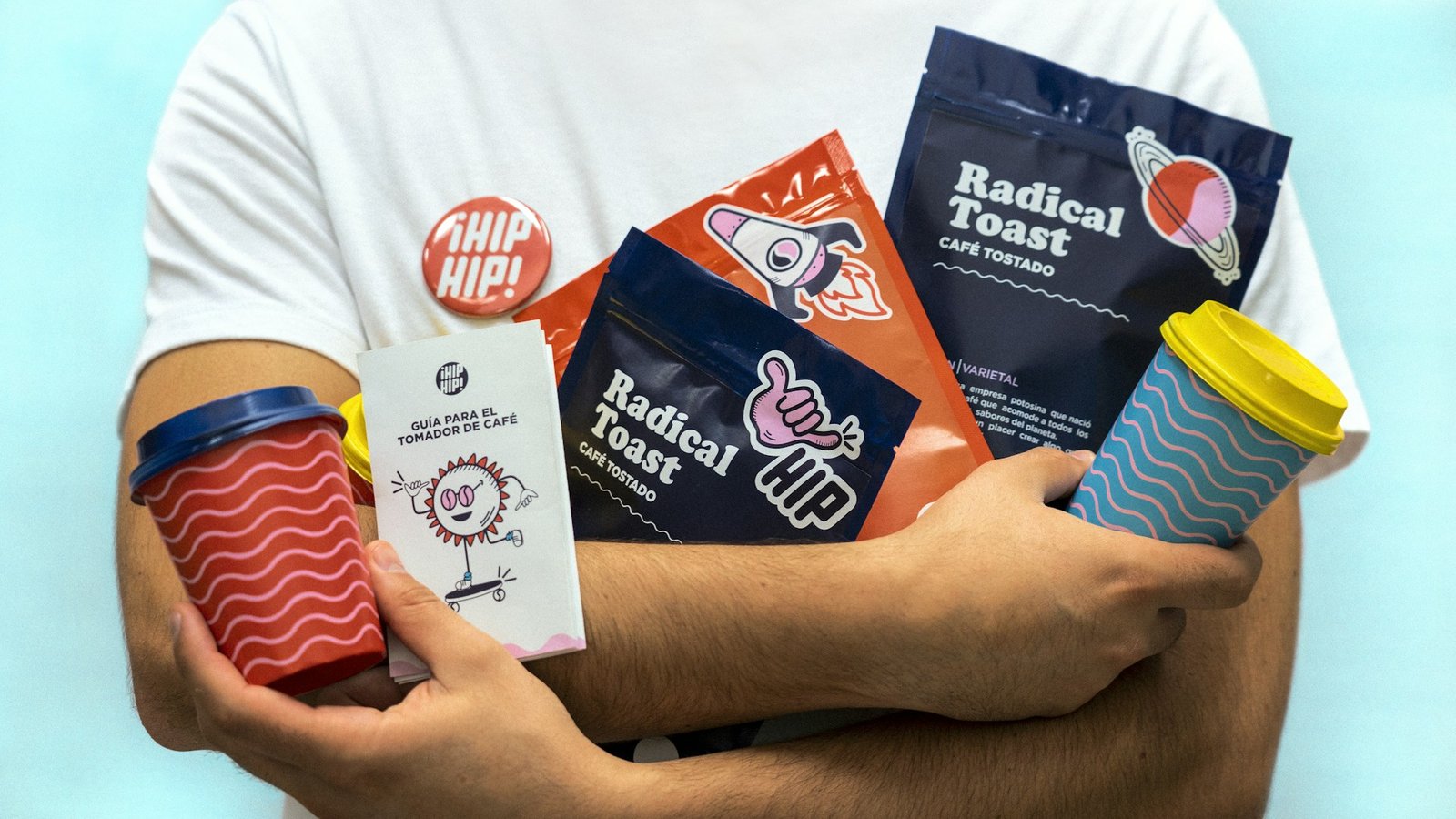
The direct-to-consumer (DTC) business model is transforming the way businesses connect with their customers.
By cutting out the middlemen like wholesalers and retailers, companies can take charge of their brand, improve customer relationships, and offer better value. But let’s not just scratch the surface—let’s dive deeper into why DTC is shaking up the retail world.
1 Full Control Over Your Brand
Imagine having full control over how your brand is perceived. That’s exactly what the DTC model offers. Without intermediaries dictating terms, companies can shape their brand story, design unique customer experiences, and ensure every interaction reflects their values.
Take Warby Parker, for example. They didn’t just sell glasses—they created an entirely new way to shop for eyewear with their home try-on program. This not only made buying glasses more convenient but also reinforced their brand as stylish, affordable, and customer-focused.
For more insights, check out how DTC brands maintain brand identity and stand out in a crowded market.
2 Building Meaningful Relationships
What’s better than knowing your customers? Building a direct line of communication with them. DTC brands thrive on creating personal connections with their audience through tailored marketing, thoughtful feedback loops, and genuine engagement.
When customers feel heard, loyalty skyrockets. Just ask Little Spoon, a company providing organic baby food. By listening to parents’ feedback and engaging directly, they’ve built trust and loyalty that keep customers coming back.
Learn more about how DTC brands foster customer loyalty and turn happy customers into lifelong advocates.
3 Bigger Margins, Better Products
Here’s the kicker: DTC brands often make more money while charging less. How? By skipping the retail markup. That extra cash flow can be reinvested in better products, sustainability efforts, or simply keeping prices competitive.
Allbirds, known for its eco-friendly sneakers, is a perfect example. By owning the entire customer journey, they’ve not only kept costs down but also maintained their commitment to innovation.
Curious how to launch a successful DTC brand? Start with the right foundation.
4 Customers Win Too
Lower prices, faster shipping, and personalized experiences—what’s not to love? When brands sell directly to consumers, everyone wins. Without the overhead costs of retail, brands can afford to offer better deals. And let’s be honest, who doesn’t love fast, free delivery?
According to a report by Statista, 53% of consumers prefer shopping directly from brands for the lower prices, while 49% appreciate free shipping. These perks make DTC shopping more than just a trend—it’s becoming the preferred way to shop.
5 Innovation and Agility
Here’s where it gets exciting: DTC brands can pivot quickly. Want to launch a new product? Go for it. Need to tweak something based on customer feedback? No problem. Unlike traditional retailers bogged down by long supply chains, DTC brands thrive on their ability to adapt.
Portland Leather Goods, for instance, handled over 300,000 orders during the holiday season thanks to their agile operations. That’s the kind of success only possible when you own the entire process.
Find out how DTC innovation supports growth and why agility is a game-changer.
6 Data is King
When you sell directly to consumers, you gain a treasure trove of data—what customers like, what they don’t, and how they shop. This isn’t just nice to have; it’s a game-changer. By using this data, brands can craft hyper-personalized shopping experiences that feel like they were made just for you.
Some brands are even using Artificial Intelligence to up their game, tailoring recommendations and making every interaction feel seamless.
Want to see how to make the most of customer data? Dive into the details and see the magic of personalization.
The DTC Future is Bright
As the DTC market surges toward $1.5 trillion by 2025, it’s clear this isn’t just a passing trend. It’s a movement. By prioritizing customers, embracing innovation, and taking control of their destinies, DTC brands are reshaping retail as we know it.
Whether you’re a business looking to switch gears or a consumer enjoying the benefits, the DTC model is proving that direct is better—better for brands, better for customers, and better for the future of shopping.