


Back when I considered starting a food-related subscription box, I had no idea how many models were out there.
I just thought, “You send snacks monthly and charge people for it, right?” Yeah… not quite.
Turns out, food subscription boxes come in several flavors (pun fully intended). Some focus on convenience, others on discovery, and some are about curation or specialty diets. The model you choose seriously impacts everything — from how you package products to how you price, market, and scale the business.
Whether you’re building a food box from scratch or just curious about what works in this space, here are five of the most common subscription box models for food, with notes from someone who’s been in the trenches.
1. The Curated Discovery Box
Think: SnackCrate, Universal Yums, Try the World
This is one of the most popular models. Customers subscribe to discover new, often international or themed products each month. The magic here is the surprise, they don’t know exactly what they’re getting, and that’s the appeal.
You curate a mix of snacks, sauces, drinks, or even spices from specific countries, brands, or categories (e.g., vegan, keto, gluten-free).
Pros:
-
Easier to justify a higher price due to variety
-
Strong “unboxing” and social media potential
-
Great for gift-giving and seasonal promos
Cons:
-
Product sourcing can get expensive and inconsistent
-
Inventory management is a beast
-
Some customers cancel after the novelty wears off
Best for: Creators who love hunting for unique products and building experiences.
2. The Replenishment/Staple Box
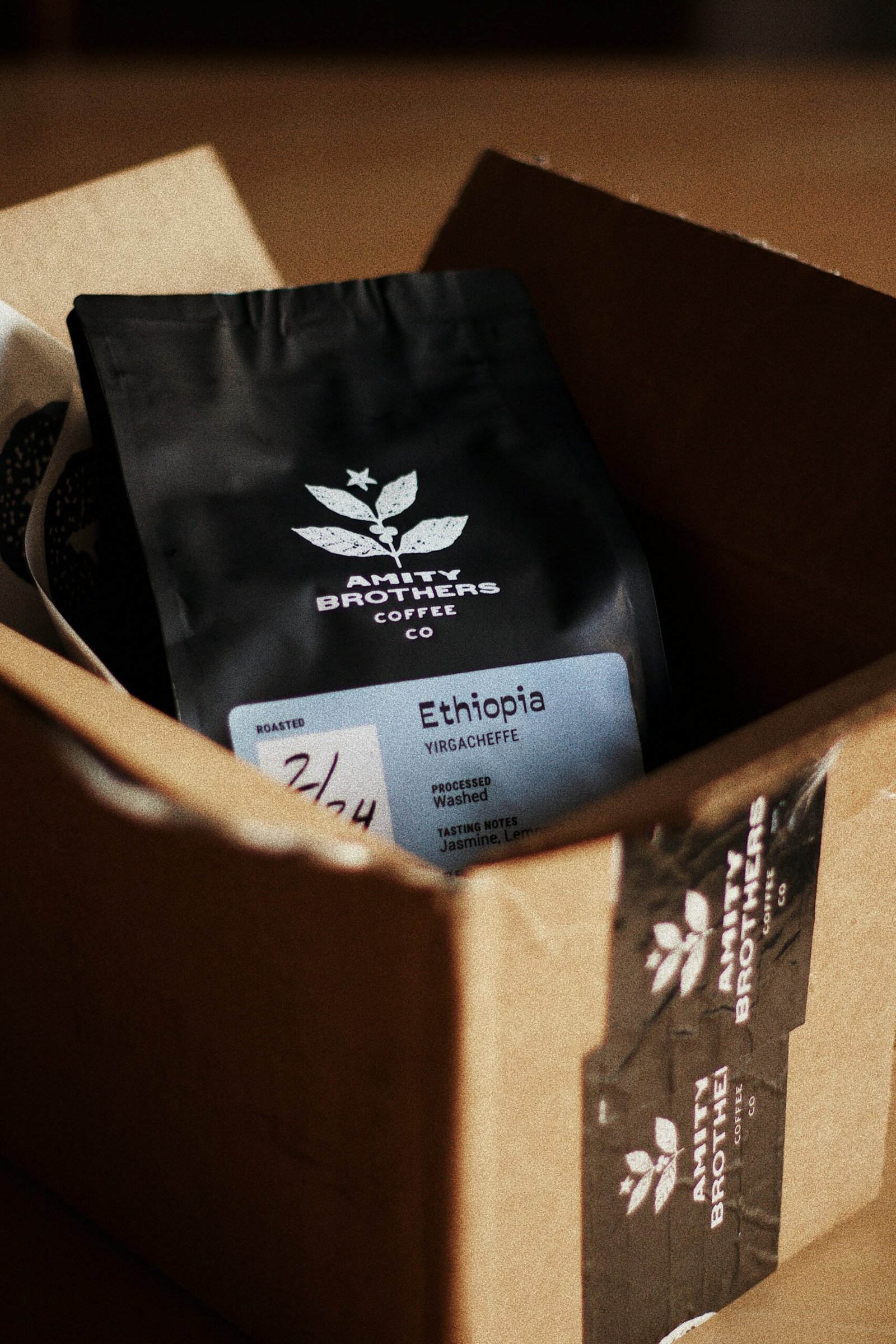
Think: coffee subscriptions, spice refills, meal prep add-ons
These boxes focus on restocking essentials customers use regularly. Instead of discovery, the appeal is convenience. You know your customer drinks two bags of coffee a month? Send it like clockwork.
Examples:
-
Weekly or monthly delivery of rice, pasta, or baking ingredients
-
Pantry kits with sauces, oils, and staples
-
Coffee, tea, protein bars — whatever people consume routinely
Pros:
-
Predictable inventory and shipping cycles
-
Lower churn (people don’t want to run out)
-
Easy to upsell add-ons or larger sizes
Cons:
-
Lower excitement factor
-
Harder to go viral or get influencer attention
-
You have to really nail logistics and timing
Best for: Operators who want a scalable, repeatable system with high retention.
3. The Meal Kit Model
Think: HelloFresh, Blue Apron, EveryPlate
These boxes deliver pre-portioned ingredients and recipes, letting customers cook meals at home without shopping. It’s an operational challenge, but a huge market — especially for busy families or health-conscious customers.
You’re offering convenience and the experience of cooking — without the pain of grocery store lines or decision fatigue.
Pros:
-
High perceived value
-
Great for promoting healthy or specialty diets
-
Many customers order weekly = high LTV (lifetime value)
Cons:
-
Expensive to operate (packaging, perishables, fast shipping)
-
Tons of competition
-
Hard to differentiate unless you niche down (e.g., vegan, keto, allergy-friendly)
Best for: Experienced sellers with strong logistics and supplier relationships.
4. The Build-Your-Own Box
Think: Custom snack boxes, mix-and-match granola kits, DIY charcuterie subscriptions
This model gives the customer more control, they pick what goes in their box each month. Some platforms offer pre-built bundles with swap options; others are fully DIY.
Example: “Pick 5 snacks out of 30+ options and get your custom box delivered every 30 days.”
Pros:
-
More personalized = higher satisfaction
-
Easier to collect user data and preferences
-
Strong email marketing potential (“your box is ready to customize!”)
Cons:
-
More tech complexity (you need a platform that supports customization)
-
Less surprise = lower shareability
-
Tough to scale unless backend systems are solid
Best for: Sellers who want to collect more data, build customer loyalty, and stand out with personalization.
5. The Premium/Artisan Box
Think: gourmet cheese clubs, small-batch chocolate, wine pairings
This model focuses on luxury, exclusivity, and storytelling. You’re not just selling food — you’re selling an experience. The branding, packaging, and sourcing all need to reflect that.
You can theme each box around artisans, small farms, or specific tasting notes. Think foodies, wine lovers, or high-end gift buyers.
Pros:
-
High profit margins if priced right
-
Smaller subscriber base, but more loyal
-
Perfect for influencer collabs and PR
Cons:
-
Slower to scale
-
High expectations on packaging and presentation
-
Sourcing premium products can be time-consuming
Best for: Creators passionate about gourmet food, slow food, or premium branding.
Final Thoughts: Which Model Should You Choose?
There’s no “best” subscription model, just the one that fits your audience, operations, and passion.
-
Want simplicity and consistency? Go with a replenishment box.
-
Want buzz and virality? A curated discovery box might be your jam.
-
Want high retention? Build a meal kit or BYO model with strong backend support.
-
Love premium products and small-batch vibes? The artisan model is all you.
Start small. Test fast. Focus on delighting your first 100 customers before chasing scale.