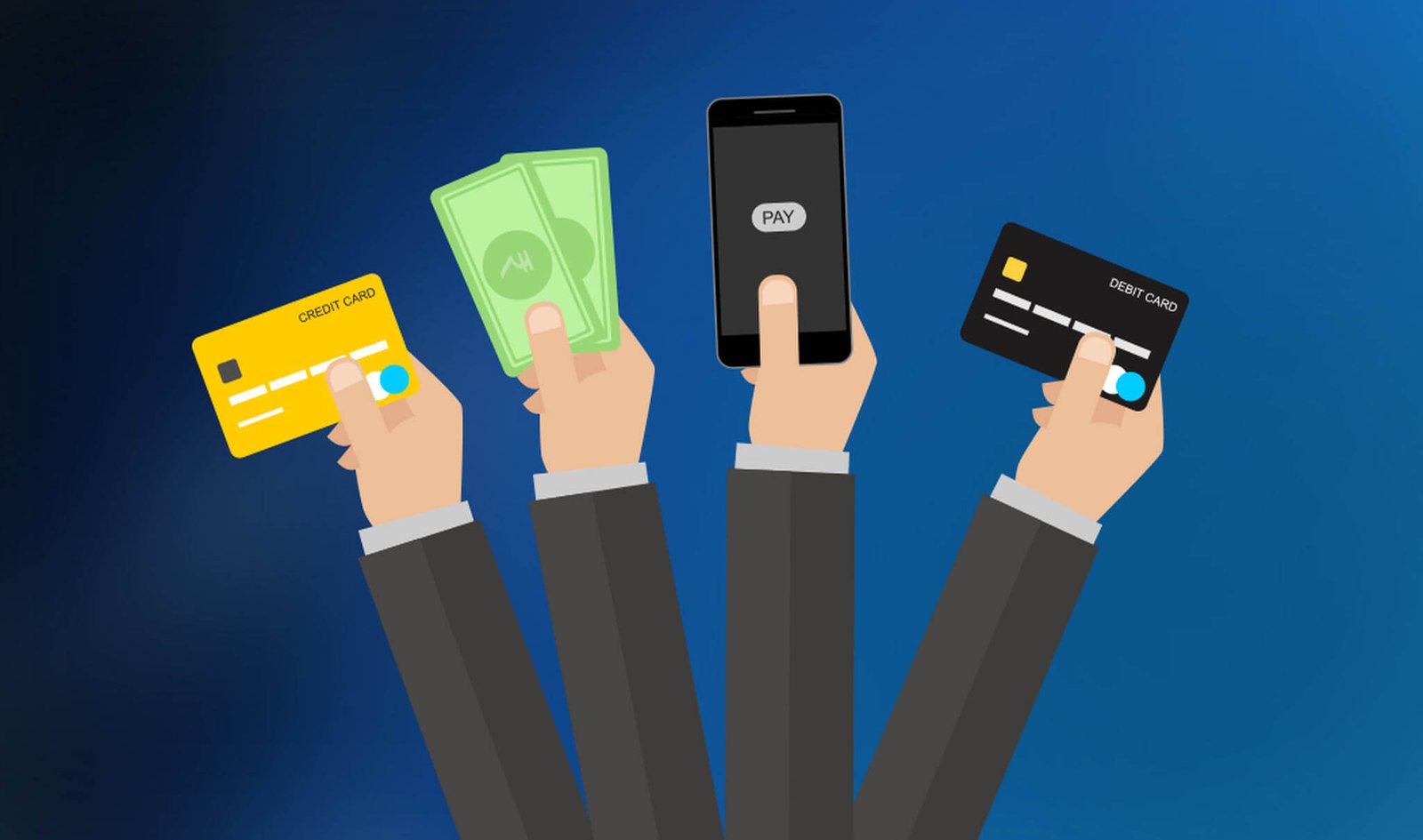
I didn’t offer payment plans at first and let me tell you, that was a mistake.
I figured people would either pay in full or move along. But after losing a few big-ticket sales and getting emails like, “Do you offer a split payment option?” I realized I was leaving money on the table. Like, a lot of money.
One customer straight-up told me, “I want your service, but I can’t swing $850 all at once.” That one hit me. She wasn’t ghosting me — she just needed flexibility. That’s when I decided to figure out how to make payment plans work without creating a nightmare for myself.
Why Offering Payment Plans Can Be a Game-Changer?
Once I rolled out payment plans, conversions jumped. No joke. I had clients who had been sitting on the fence for months finally pull the trigger because now it felt doable.
Here’s what I’ve seen firsthand:
-
Lower friction = more sales.
A $900 offer becomes way less intimidating when it’s broken into 3 x $300 payments. -
Builds trust and accessibility.
Offering payment options shows customers you’re human — not just chasing cash. -
It widens your market.
Folks who couldn’t afford your service before suddenly become customers.
The downside? Yeah, there are some — like chasing late payments or dealing with refunds. But if you set it up right, you can avoid most of the headaches.
The Payment Plan Systems That Saved My Sanity
I tried the DIY route at first — spreadsheets, manual reminders, Venmo. Total chaos. I don’t recommend it unless you love stress.
Here’s what actually worked for me:
Use a payment processor with built-in plans.
Tools like Stripe, Square, ThriveCart, or PayPal make it super easy to automate recurring billing. I use Stripe’s subscription feature and set up a plan where clients choose “Pay in Full” or “3 Monthly Payments.” Done and done. (If you’re not sure where to start, check out using Stripe for payment processing — it breaks it down step-by-step.)
Add clear terms to your checkout.
No one likes surprises. I include a short “payment agreement” in the checkout process that outlines payment dates, late fees (if any), and refund rules. Keeps it simple and transparent.
Send reminders — automatically.
Most platforms let you automate this, but if not, use something like MailerLite or Zapier to trigger reminders. Saves you from awkward “Hey, you forgot to pay me” emails. (Pro tip: Learn how to automate payment confirmations and receipts so everything runs smooth behind the scenes.)
Add payment plans as a checkout option, not an afterthought.
I used to hide the plan option in emails. Nope. Now I list it right under the price:
$599 or 3 payments of $215.
Sales increased just by making it visible.
How to Protect Yourself Without Getting All Legal-ish?
Real talk — offering payment plans means you’re taking on a bit of risk. People can ghost. Cards decline. Life happens.
Here’s how I protect my biz without sounding like a robot:
-
Have a clear contract or terms & conditions.
Especially if you’re offering services or digital products. I include a clause that says: “By choosing a payment plan, you agree to complete all payments regardless of usage.” Sounds fancy, but it’s just there so folks don’t bail halfway through. -
Require the first payment upfront.
No payment = no access. Always. -
Offer incentives for paying in full.
This is huge. I often say, “Pay in full and save $50.” About 30% of clients take that option, which improves cash flow. Want to go even deeper? Read up on setting up recurring payments for subscriptions — especially useful if you’re offering services month-to-month.
Lessons I Learned the Hard Way
Let me just say… chasing someone down over a $97 payment? Humbling. The first time it happened, I was nervous to even follow up. But now I’ve learned that:
-
Boundaries matter.
Be kind, but firm. Your time and services are valuable. -
Automation is your friend.
The less you manually manage, the less you stress. -
People appreciate flexibility.
One client literally said, “Thank you for making this possible for me.” That made it worth it.
Offering partial payments isn’t just about getting more sales — it’s about creating access, reducing buyer resistance, and building a brand that feels human. Just do it smart, automate what you can, and stay clear with your policies. Your future self (and your bank account) will thank you.