

I didn’t know what affiliate marketing was until I accidentally stumbled into it.
I was writing a blog post about my favorite productivity tools — just sharing stuff I genuinely used. A friend messaged me and was like, “Yo, you could be getting paid for that.” I thought she was joking.
She wasn’t.
I signed up for a few affiliate programs, dropped in some special links, and didn’t think much of it. A week later, I got my first payout: $32.14. Not life-changing, but enough to make me take it seriously.
So… What Is Affiliate Marketing?
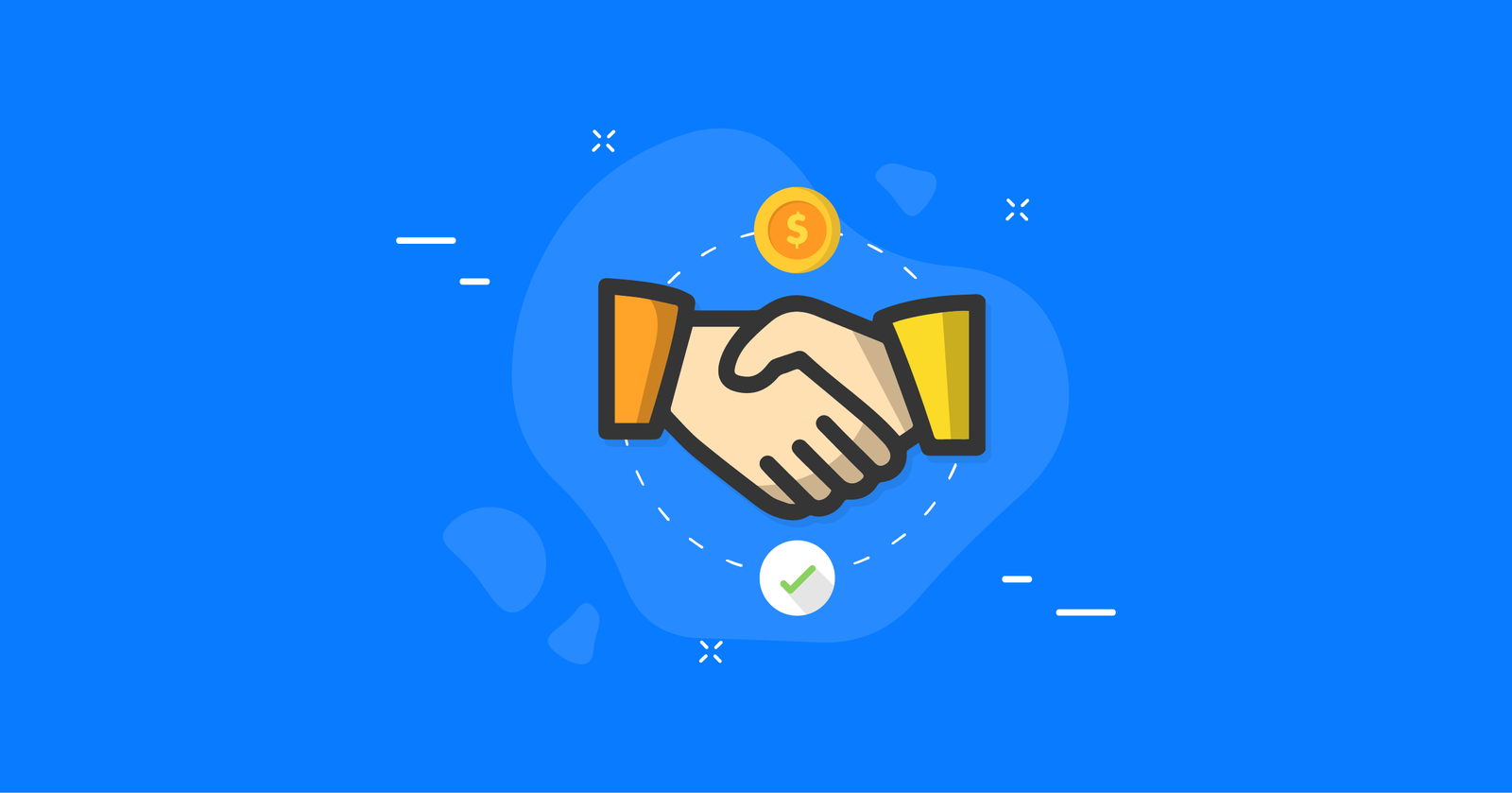
At its core, affiliate marketing is earning a commission by promoting someone else’s product or service. You share a special tracking link, someone clicks it, makes a purchase (or completes another action like signing up), and you get a cut.
Simple, right?
You’re basically the middleman — or middlewoman — connecting people to stuff they already need. And when it’s done right, it feels less like sales and more like recommendation marketing.
How Affiliate Marketing Actually Works? (Without the Hype)
Here’s how it usually plays out:
-
You sign up for an affiliate program
Think Amazon Associates, ShareASale, or direct brand programs like ConvertKit or Bluehost. If you’re not sure where to begin, check out the best affiliate marketing platforms for sellers to get started on the right foot. -
You get a unique affiliate link
This link tracks any traffic or purchases that come from your referrals. -
You promote the product/service
Could be through a blog, YouTube video, Instagram story, podcast — whatever fits your style. -
Someone clicks your link and takes action
Depending on the program, that might be a sale, a signup, or even a free trial. -
You earn a commission
Some programs pay per sale (like 10-30%), others pay per lead. Some offer recurring monthly payouts.
I once wrote a blog post comparing two email marketing platforms. That article still brings in affiliate income every month, years later. It’s wild.
My Rookie Mistakes (So You Don’t Repeat Them)
When I first started, I made every newbie mistake in the book:
-
I promoted stuff I didn’t use. Yeah, people can tell. Trust matters more than clicks.
-
I plastered links everywhere with zero context.
-
I didn’t track what was working and what wasn’t. Major facepalm.
-
And I ignored SEO. Don’t do that. A single keyword-optimized post can drive affiliate revenue for years.
Eventually, I slowed down, got intentional, and focused on products that actually helped my audience. That’s when things shifted.
Tips That Actually Work (From Trial and Error)
-
Be honest. Only recommend things you’d tell your best friend about. People can smell a sales pitch from a mile away.
-
Use real-life examples. Show how you use the product in your own workflow or routine.
-
Create comparison content. “Tool A vs Tool B” posts and “Best of” lists convert like crazy.
-
Use disclosure properly. Be upfront that you’re using affiliate links. It builds trust and keeps you compliant with FTC rules.
-
Think long-term. Evergreen content + SEO + affiliate links = passive income. One solid piece can keep working for you on autopilot.
Want to take it a step further? Learn how to promote your affiliate program effectively to drive more clicks and conversions, especially if you’re building one yourself.
Why Affiliate Marketing Works? (And Why It’s Not a Scam)
I used to think affiliate marketing was all hype. Like, “make money while you sleep” just sounded like one of those fake guru pitches. But once I saw that affiliate income was tied to real value — connecting people to tools that helped them — it clicked.
It works because it’s a win-win-win:
-
The customer finds something useful.
-
The company gets a sale.
-
You get paid for making the connection.
Still skeptical? Then read up on how to avoid common affiliate program mistakes so you don’t fall into traps that make the whole thing seem scammy or ineffective.
It’s not a get-rich-quick thing. It takes time, consistency, and a little strategy. But if you’re already creating content or have an engaged audience? It’s one of the most low-risk, high-reward monetization models out there.