

The first time someone asked me if I charged VAT on my online shop, I panicked a little.
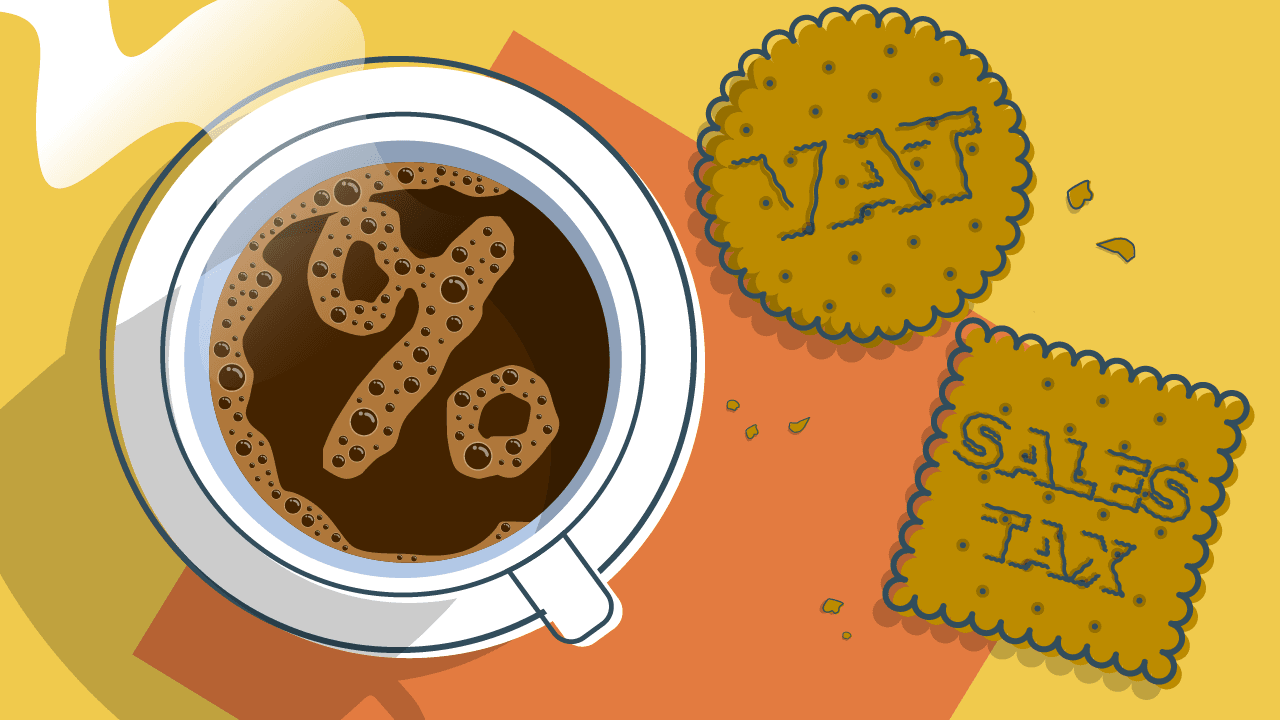
I was like, “Uhh, is that the same as sales tax?” Spoiler: It’s not. And trust me, if you’re running a small biz or freelancing internationally, you’ll want to know the difference before the tax man comes knocking.
I learned this lesson the awkward way. I had just started selling digital products globally — eBooks, templates, that kind of thing. I thought, “I’m in the U.S., so I just charge sales tax to U.S. customers, right?” Wrong. A customer from Germany emailed me asking for a proper VAT invoice. I didn’t even know what that was. After some frantic Googling and a very polite (but slightly panicked) response, I realized I’d been missing something huge.
What Is Sales Tax?
So let’s start simple. Sales tax is what you usually pay on stuff you buy in the U.S. It’s added at the point of sale — like, you go to the store, your shirt costs $20, but you pay $21.20 because of sales tax. It’s set by the state or local government, and only the end consumer pays it. Businesses just collect and pass it along to the state.
No tax on tax, no tax on every step of the process. Pretty straightforward.
I remember when I started selling physical products, I had to register for a sales tax permit in my state. It was a pain, but manageable. Every month I filed a short return online and sent in whatever I collected. Not fun, but not terrifying either.
What Is VAT?
VAT — or Value-Added Tax — is a whole different beast. It’s used in a lot of countries outside the U.S., especially across Europe. Instead of taxing only the final sale, VAT is collected at every stage of production and distribution.
That means every business along the chain charges and pays VAT — from raw materials to manufacturers to wholesalers to retailers. But here’s the kicker: businesses can often reclaim the VAT they pay, so they’re not double-taxed. It’s the end consumer who eats the cost.
It’s like a running tax baton being passed from company to company, and everyone has to track it. That’s why European invoices often show things like “VAT ID number” and “Reverse Charge.”
When I finally registered for VAT through a service like OSS (One-Stop Shop) for EU customers, it was overwhelming. I had to collect VAT based on the customer’s location, not mine. And the rates vary — Germany’s 19%, Sweden’s 25%, Ireland’s 23%… wild, right?
One of the most helpful things I did was dig into how VAT MOSS works for digital sellers. It helped me understand how to report VAT across multiple countries without registering in each one individually.
So, What’s the Real Difference?
Let me break it down the way I wish someone had explained it to me:
-
Sales tax is added at the point of sale and only collected from the end customer.
-
VAT is added at each stage of the supply chain, but businesses can usually claim it back.
-
Sales tax is location-based for the seller; VAT is often customer-based, especially in cross-border transactions.
-
You usually need a sales tax permit in your state; with VAT, you may need to register in each country or use a special scheme like OSS or automating VAT reporting and filings.
-
VAT is way more complex to track and invoice, but it’s also more transparent for B2B.
If you’re trying to sell digital products or online courses in Europe, you’ll also want to understand charging VAT on online courses and coaching — it’s not always obvious who gets taxed and how much.
Final Thoughts: Learn This Early, Not the Hard Way
If you’re selling across borders — especially in Europe — get clear on VAT vs sales tax early. I waited too long and ended up playing catch-up with tax filings I didn’t even know I owed. Not fun.
A big turning point for me was using platforms that automate VAT collection — that took a lot off my plate. They calculate VAT based on where your customers are and make filing easier.
Oh, and if you’re offering ongoing services or products, it’s worth reading up on VAT compliance for subscription-based products. Subscriptions come with their own unique tax implications, and getting that wrong can lead to serious headaches.
Now, I use tax automation tools like Quaderno or TaxJar. Total lifesavers. They help calculate, collect, and file the right taxes based on where my customers are. Honestly, once you get past the jargon, it’s not as scary — but yeah, it’s definitely something you don’t want to ignore.