pricing your membership isn’t just about picking a number. It’s about understanding why someone would pay you monthly — and what would make them stay.
When I launched my first membership, I priced it at $7/month. Why? Honestly? I panicked. I figured if it was cheap enough, no one could say no. But guess what? People still said no. And the ones who joined didn’t take it seriously — because I didn’t treat it like it was valuable.
That taught me a lesson real fast: low pricing doesn’t always equal high conversions.
Pricing Isn’t Just a Number — It’s a Signal
Here’s the thing no one tells you: pricing sends a message.
If your membership is too cheap, people assume it’s fluff. If it’s too expensive without justification, they’ll bounce before finishing your landing page.
When I raised my price to $27/month and clearly outlined what members were getting — live workshops, exclusive content, personalized feedback — not only did I get more signups, I got better members. Engaged ones. The kind who show up and get results.
So, ask yourself:
-
What transformation are you offering?
-
Is this a resource hub or a guided experience?
-
Are your members coming for content, community, or coaching?
Price based on the value, not just what competitors charge.
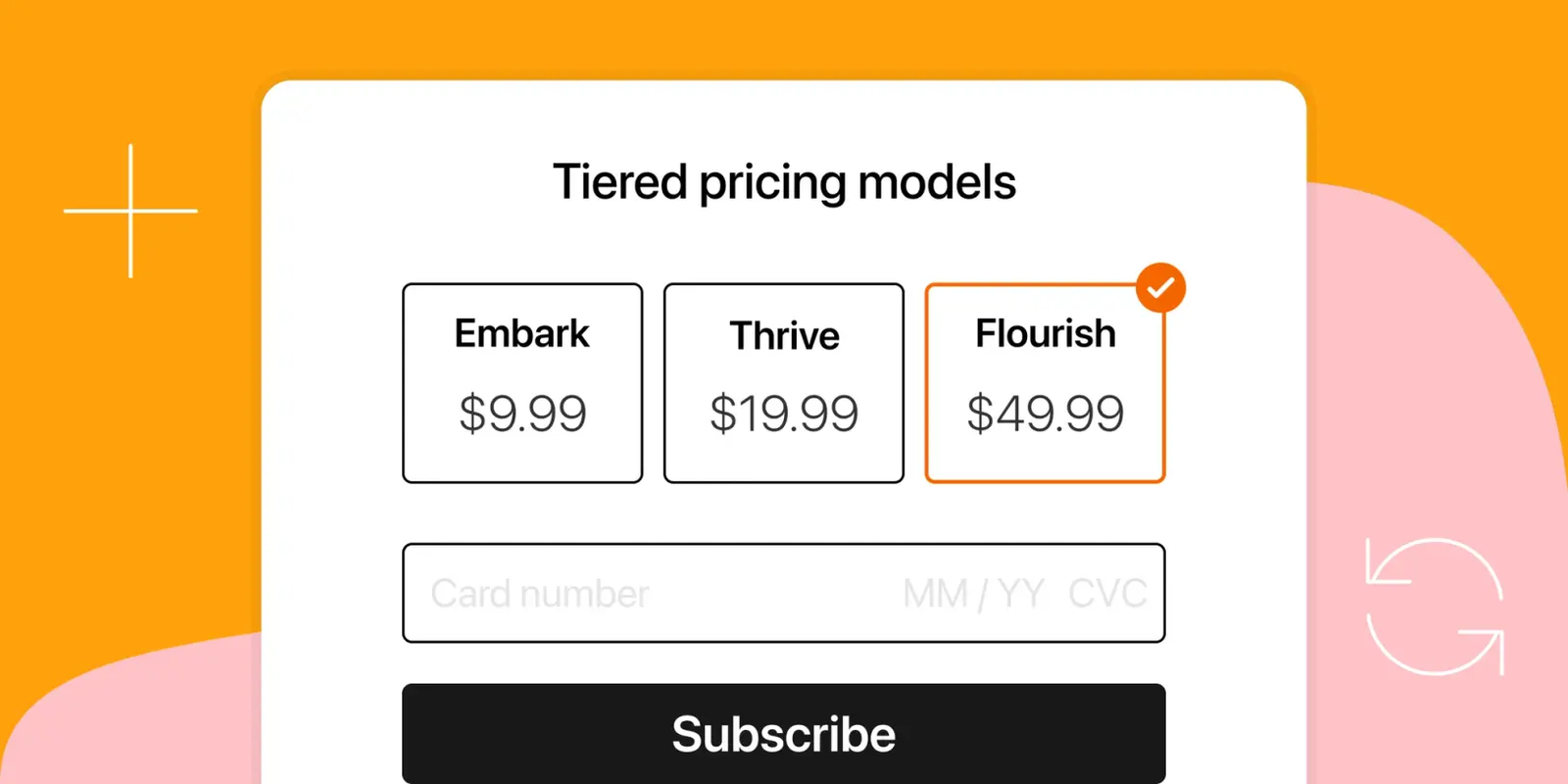
Mistake I Made: Not Testing Tiered Pricing
One of the biggest mistakes I made early on? Not offering pricing tiers.
I had one price. One plan. That’s it. And I lost potential customers who might’ve joined if they had more options.
Later, I switched to a 3-tier model:
-
$19/month – Content only
-
$49/month – Content + live Q&A + community
-
$99/month – Everything + 1:1 feedback session monthly
That changed everything. Not only did people self-select into the right tier for their budget and needs, but I also found that the middle tier always converted the best. Classic psychology: when you give people 3 options, they usually go for the one in the middle.
So if you’re still offering one flat rate, you’re probably leaving money on the table.
Should You Charge Monthly or Annually?
Honestly? Both.
Some folks want to try things month-to-month. Others prefer to commit upfront and save money. I started offering an annual plan with 2 months free ($270/year vs $27/month), and about 30% of people chose that option. Instant cash flow win.
But here’s what matters: make it easy to upgrade or downgrade. If someone wants to switch from monthly to yearly, don’t make them email you and wait 48 hours. Make it click-and-go.
Pro tip: Add a toggle on your pricing page for “Monthly vs Annual.” Small UX tweak, big conversion boost.
Don’t Underestimate Founding Member Pricing
I’ll admit — this strategy scared me at first. But launching with a founding member price (lower lifetime rate in exchange for early feedback and testimonials) turned out to be a gold mine.
I offered the first 30 spots at $15/month, locked in for life. They knew the price would go up soon. That urgency? It worked. I sold out in 3 days.
Those early members helped shape the offer. They gave honest feedback. And many are still with me today — even though the current rate is more than double.
If you’re launching from scratch, this is the move. It builds momentum and rewards early adopters.
Pricing = Positioning
You can’t charge premium prices for a messy offer. You’ve got to align your price with your promise.
Are you promising transformation? Access to YOU? A curated path to a result? Then own it. Price it accordingly. But if you’re just dumping a bunch of PDFs into a portal, don’t expect people to pay $97/month.
Here’s a formula that helped me:
Content-Only = $9–$29/month
Content + Community = $29–$59/month
Content + Community + Coaching = $59–$199/month
Use that as a guide. Not a rule.
Final Thoughts
If there’s one takeaway here, it’s this:
Your price tells people how valuable your membership is. Don’t cheapen your impact by trying to please everyone. Charge what makes sense for the transformation you provide — and back it up with solid support, content, and care.
Oh, and one last thing? Don’t wait until it’s perfect to launch. Test. Iterate. Adjust pricing as you grow. Some of the best decisions I made came from just starting — messy, imperfect, but real.