When I first opened my physical store, I thought if someone walked out with a product, that was a win.
And it was. But what I didn’t realize was how much more revenue I was leaving on the table by not offering cross-sells or upsells at checkout.
Once I started suggesting related products or offering premium upgrades, my average order value shot up.
Customers were happier because they found solutions they didn’t even know they needed.
And I was moving more inventory without spending a dime on extra marketing.
If you run a physical store and want to sell smarter, not harder, this guide will show you the real benefits of cross-selling and upselling and how to make it feel natural, not pushy.
What Is Cross-Selling and Upselling?
Before we dive into the benefits, let’s make sure we are speaking the same language.
Cross-selling is suggesting related products that complement what the customer is already buying.
Example: Someone buying a candle might also love a decorative candle holder.
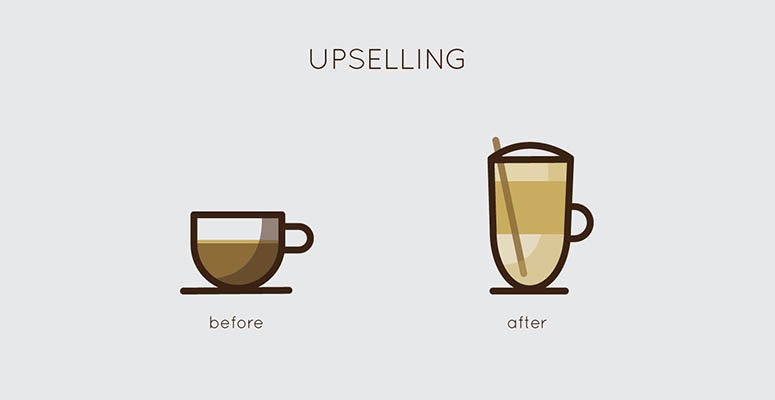
Upselling is encouraging the customer to buy a higher-end version of the item they are considering.
Example: They are looking at a basic coffee maker, and you show them a deluxe version with a built-in grinder.
Both strategies aim to improve the customer’s experience while increasing the store’s revenue.
1. Increases Average Order Value
This was the first and most obvious benefit I noticed.
When you encourage customers to add small, complementary items or step up to a premium version, each sale gets a little bigger. And those small increases add up fast over time.
I found that even offering a five-dollar add-on at checkout boosted my monthly revenue by hundreds. You are not changing your marketing costs. You are simply maximizing the opportunity with the customers already standing in your store.
If you’re not yet applying pricing strategies for physical products, this is a great place to start. Smart pricing supports upsells that feel like value — not gouging.
Key Tip: Train your team to suggest products that feel natural and relevant, not random.
2. Improves Customer Satisfaction
Cross-selling and upselling are not just about selling more stuff. When done right, they actually improve the customer’s experience.
Think about it: if someone buys a planner, suggesting matching pens or a desk organizer helps them get the most out of their purchase. They walk away with a full solution, not just a product.
Customers appreciate when you anticipate their needs. It shows you are listening and that you care about their overall satisfaction, not just the sale.
Want to give your recommendations more impact? Learn to create bundles and gift sets that sell — it’s a customer-centric upselling technique that feels natural.
Key Tip: Frame your suggestions as helpful recommendations, not sales pitches.
3. Builds Trust and Loyalty
One unexpected benefit I noticed was stronger customer loyalty.
When customers feel like you are genuinely helping them, they are more likely to trust you. Trust leads to repeat visits and more word-of-mouth referrals.
Over time, customers started asking for recommendations. They wanted to know what I thought would go well with what they were buying. That is when you know your cross-selling and upselling strategy is building real relationships, not just quick wins.
To deepen that trust online, explore how to set up a branded online store that reinforces the same customer-first vibe.
Key Tip: Never recommend a product just to make the sale. Only suggest items you truly believe add value.
4. Helps Move Inventory Strategically
If you have slow-moving products or seasonal inventory, cross-selling can help you move those items without heavy discounts.
Pair slower sellers with popular products. For example, I once had a line of beautiful mugs that were not moving. I bundled them with best-selling loose-leaf tea sets and suddenly, the mugs were flying off the shelves.
It is a smart way to keep inventory fresh without making your store feel like a clearance outlet.
You can get even more strategic by applying the advice in managing inventory for small businesses. It ties directly into optimizing your product pairings and bundling tactics.
Key Tip: Bundle older or excess inventory with fast-moving favorites to balance your stock.
Conclusion
Cross-selling and upselling are two of the simplest, most powerful strategies you can use in a physical store. When done with genuine care and good timing, they boost your average order value, delight your customers, and build long-term loyalty — all without feeling pushy or salesy.
If you are not actively suggesting complementary products or higher-value options yet, now is the time to start. Even small changes can make a big difference in your bottom line and your customer relationships.
And if you’re selling online too, make sure you’re applying these techniques inside your Payhip store for physical products to stay consistent across all touchpoints.
Think about the full solution your customer needs, not just the one item they came in for. Then offer it with confidence. Your customers and your revenue will thank you.