


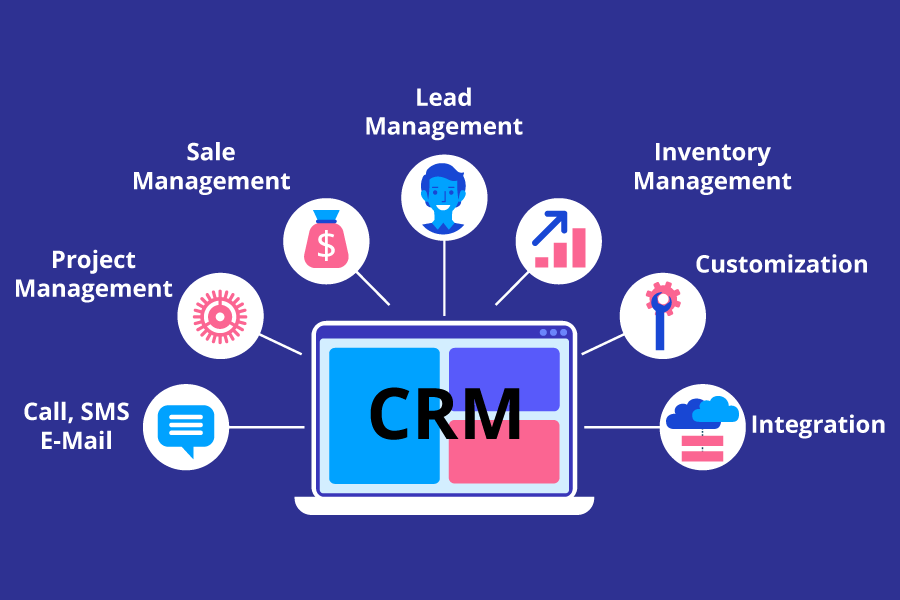
CRM (Customer Relationship Management) analytics and reporting go beyond crunching numbers. They provide actionable insights into your business, customers, and future opportunities.
Key Takeaway: CRM analytics and reporting empower businesses to make smarter decisions, enhance customer experiences, and drive growth through actionable insights.
Step 1: What Is CRM Analytics and Why Does It Matter?
CRM analytics collects and interprets data from customer interactions, such as emails, sales calls, and website visits. This data reveals valuable insights into customer behavior, sales performance, and marketing effectiveness.
Key Insights You Can Unlock:
- Customer Behavior: Understand how customers interact with your platforms, from clicked emails to product feedback.
- Sales Trends: Identify what drives success in your sales pipeline and areas needing improvement.
- Marketing ROI: Measure campaign performance by analyzing click-through rates and conversions.
- Segmented Strategies: Group your audience for personalized and impactful campaigns.
Step 2: Why CRM Reporting Feels Like a Superpower
CRM reporting simplifies complex data into actionable visuals, enabling data-driven decisions and eliminating guesswork.
Why Businesses Love CRM Reporting:
- Data-Backed Decisions: Make informed choices using clear metrics.
- Enhanced Customer Understanding: Identify patterns and preferences for better engagement.
- Accurate Sales Forecasts: Predict future trends and plan budgets effectively.
- Team Accountability: Monitor performance against key KPIs.
Step 3: Real-Time Dashboards for Instant Insights
CRM dashboards provide real-time data in an easy-to-understand format, offering instant visibility into business performance.
Dashboard Benefits:
- Customizable Widgets: Focus on what matters most, such as sales trends or campaign ROI.
- Real-Time Data: Access immediate updates without waiting for reports.
- Visual Simplicity: Grasp complex information through clear visualizations.
Step 4: Predicting the Future with CRM Analytics
Predictive analytics transforms historical data into actionable foresight, enabling businesses to anticipate future outcomes.
Where Predictive Analytics Excels:
- Sales Forecasting: Plan with precision based on accurate predictions.
- Customer Retention: Identify and address potential customer churn proactively.
- Lead Prioritization: Focus efforts on high-conversion leads.
Step 5: Building Stronger Customer Relationships
CRM analytics enable personalized interactions that strengthen customer relationships.
Strategies for Stronger Connections:
- Personalized Campaigns: Craft targeted messages that resonate with your audience.
- Proactive Support: Resolve potential issues before they escalate.
- Loyalty Programs: Reward repeat customers to boost retention.
Step 6: Make Analytics a Continuous Practice
Effective CRM analytics require ongoing effort. Regular reviews and updates ensure your strategies remain relevant and impactful.
Tips for Continuous Improvement:
- Frequent Reporting: Schedule regular check-ins to refine strategies.
- Data Hygiene: Maintain an accurate database for reliable insights.
- Team Training: Equip your team to utilize analytics effectively.
Conclusion: Data-Driven Growth Starts Here
CRM analytics and reporting empower businesses to:
- Make data-backed decisions.
- Build deeper customer relationships.
- Stay agile in a changing market.
With the right tools and strategies, you can achieve measurable results without needing advanced expertise. Start leveraging CRM analytics today to drive growth and success.


