
Reaching your audience isn’t just about creating great content—it’s about creating the right content for the right people.
A message that resonates with one group might fall flat with another. That’s where AI-driven personalization comes in, allowing businesses to tailor content dynamically based on user behavior, preferences, and demographics.
AI helps businesses deliver content that feels relevant and customized instead of one-size-fits-all messaging. Whether you’re personalizing blog posts, product recommendations, or marketing emails, AI ensures that each audience segment sees the information that matters most to them.
Let’s explore how AI makes content personalization easier, smarter, and more effective.
1. AI Segments Audiences Instantly (Without Manual Guesswork)
Traditionally, audience segmentation required manual data analysis, which was time-consuming and prone to human error. AI simplifies the process by analyzing massive amounts of data in seconds and automatically grouping audiences based on shared behaviors.
How AI-driven segmentation works:
- Identifies patterns in browsing behavior, purchase history, and content engagement.
- Groups users based on demographics, location, and interests.
- Continuously refines audience segments based on new interactions.
For example, an online bookstore using AI might segment readers into:
- Mystery lovers who engage with crime fiction content.
- Sci-fi fans who frequently browse futuristic novels.
- Non-fiction readers looking for business and self-help books.
Each group then receives tailored book recommendations, blog posts, and email updates that align with their preferences.
2. AI Personalizes Website Content in Real Time
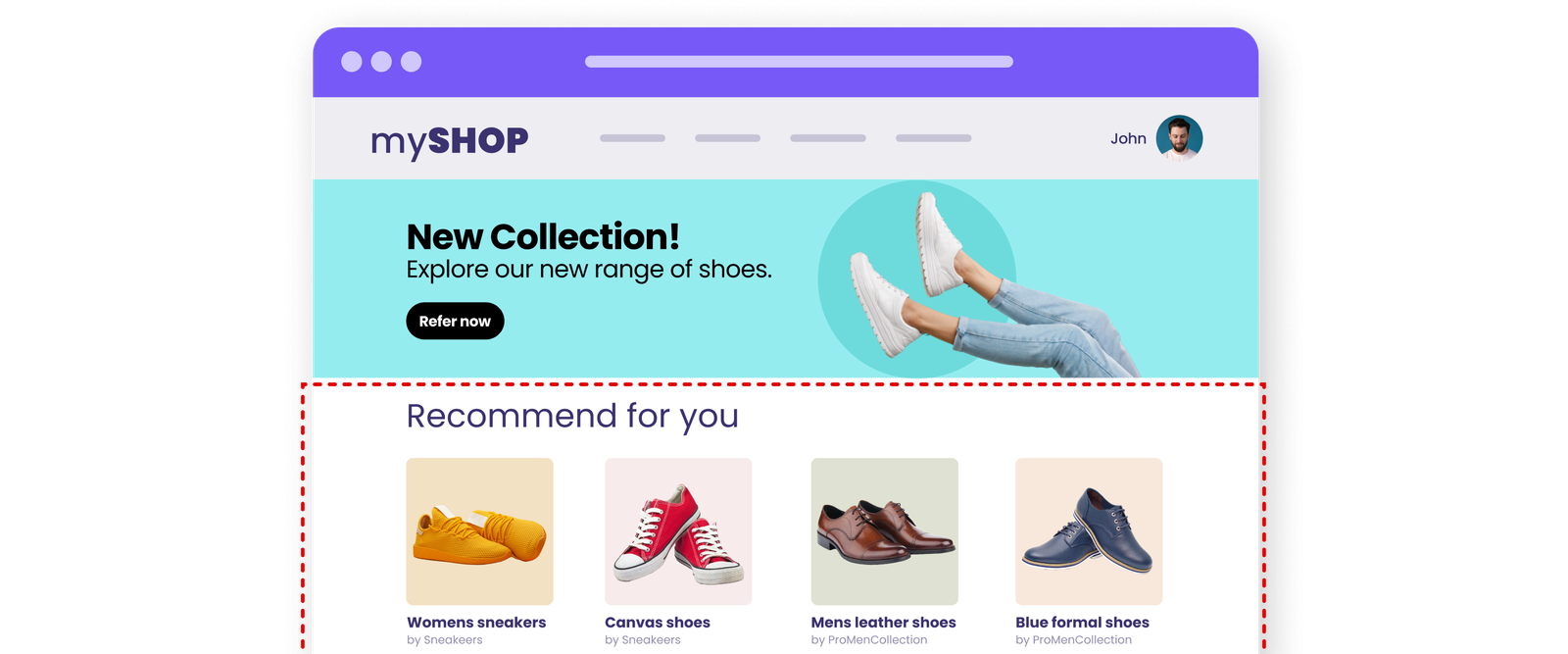
Static websites display the same content to every visitor, but AI-powered personalization changes that. By analyzing user behavior, AI ensures that each visitor sees content tailored to their interests.
Ways AI customizes website experiences:
- Rearranges homepage content to match a visitor’s past behavior.
- Suggests personalized product or content recommendations.
- Adapts call-to-actions (CTAs) and offers based on user intent.
For instance, a travel website can adjust its homepage based on visitor preferences. Someone who frequently searches for beach vacations will see tropical destinations, while another visitor interested in ski trips will see recommendations for winter resorts.
Tools like Dynamic Yield and Optimizely help businesses implement real-time content personalization effectively.
3. AI Enhances Email Personalization Beyond First Names
Most people receive dozens of emails daily, and generic mass emails often get ignored. AI ensures that marketing emails feel personal, relevant, and well-timed.
How AI optimizes email personalization:
- Adjusts subject lines and content based on past interactions.
- Optimizes send times for when each user is most likely to open emails.
- Recommends products or articles tailored to user preferences.
For example, an e-commerce brand might send different versions of an email based on shopping behavior:
- Someone who browsed a product but didn’t buy gets a “Still thinking about this?” email.
- A loyal customer gets exclusive VIP discounts tailored to their favorite categories.
- A first-time visitor receives a welcome series introducing top-rated products.
AI-powered tools like Klaviyo and HubSpot AI help businesses increase open rates and engagement through smarter email personalization.
4. AI Adapts Content for Different Regions and Cultures
Personalization isn’t just about preferences—it’s also about cultural relevance. AI helps businesses localize content for different regions, languages, and cultural nuances, ensuring that messaging resonates with diverse audiences.
How AI assists with localization:
- Translates content dynamically, ensuring accuracy and cultural relevance.
- Adapts images, offers, and examples to fit local preferences.
- Recognizes regional trends to suggest relevant topics.
For instance, a fashion retailer might use AI to show different styles based on location. A user in New York might see fall fashion trends, while someone in Miami sees summer outfits year-round.
AI-driven localization tools like DeepL and Smartling make it easier to personalize content for global audiences.
5. AI Personalizes Content for Different Buyer Journeys
Not every visitor is at the same stage in the buying process. Some are just browsing, others are comparing options, and some are ready to purchase. AI helps deliver the right message at the right time based on a user’s position in the sales funnel.
How AI personalizes content by intent:
- Awareness Stage: First-time visitors see educational content, blog posts, and industry insights.
- Consideration Stage: Returning visitors receive comparison guides, case studies, and product demos.
- Decision Stage: High-intent users see discount offers, testimonials, and purchase incentives.
For example, a software company might personalize content like this:
- A first-time visitor reads a blog post about productivity tools.
- A returning visitor gets an email with a “How We Compare to Competitors” guide.
- Someone who downloaded a free trial sees a limited-time discount offer to encourage conversion.
Platforms like Salesforce Einstein and Marketo AI help businesses tailor content based on user intent.
Final Thoughts: AI Makes Personalization Scalable and Effective
Customers expect content that feels relevant and tailored to them, and AI makes this possible at scale. Whether it’s customized emails, website experiences, product recommendations, or localized messaging, AI ensures that content resonates with the right audience at the right time.
Key takeaways:
- AI automatically segments audiences, saving time and improving targeting.
- AI adapts website content in real time, increasing engagement.
- AI-powered emails feel more personal and relevant, boosting open rates.
- AI helps localize content for different cultures and languages.
- AI personalizes content based on a customer’s stage in the buying journey.
Businesses that leverage AI-driven personalization don’t just improve engagement—they build trust, loyalty, and long-term customer relationships.