I’ll admit, I used to think product bundles were only for big stores or holiday promos.
I didn’t see how a small business like mine could really benefit. But once I created my first gift set, just three simple items packaged together, I was shocked at how fast it sold.
After a few more experiments, I realized bundles aren’t just about packaging. They’re about perceived value and giving customers a reason to buy more, without making them overthink it.
If you’re new to bundling or just want a simple way to raise your store’s average order value, this guide walks through the exact steps I used when creating bundles and gift sets that people actually want to buy.
Why Product Bundles and Gift Sets Work So Well?
Let’s be honest — people don’t love making decisions. Bundles help by doing the thinking for them. Whether it’s a birthday gift or a personal treat, a ready-made set saves time and feels like a better deal.
They also increase your revenue per transaction. Instead of selling one item at a time, you’re offering two, three, or even more in one go. And since shipping is usually combined, it’s a win for your margins too — especially if you’re already using smart inventory management strategies to keep fulfillment efficient.
Step 1 – Choose Products That Naturally Go Together
Start by asking yourself what your customers already buy together. If you sell candles, do people also buy matches or wax melts? If you sell planners, maybe pens or stickers are the perfect add-on.
I found my best bundles came from just looking at past orders and spotting patterns. It didn’t take a fancy app, just some attention and a basic understanding of choosing the best products to sell online.
Step 2 – Decide on Your Bundle Type
There are a few ways to bundle:
-
Complementary bundles: Products that are often used together.
-
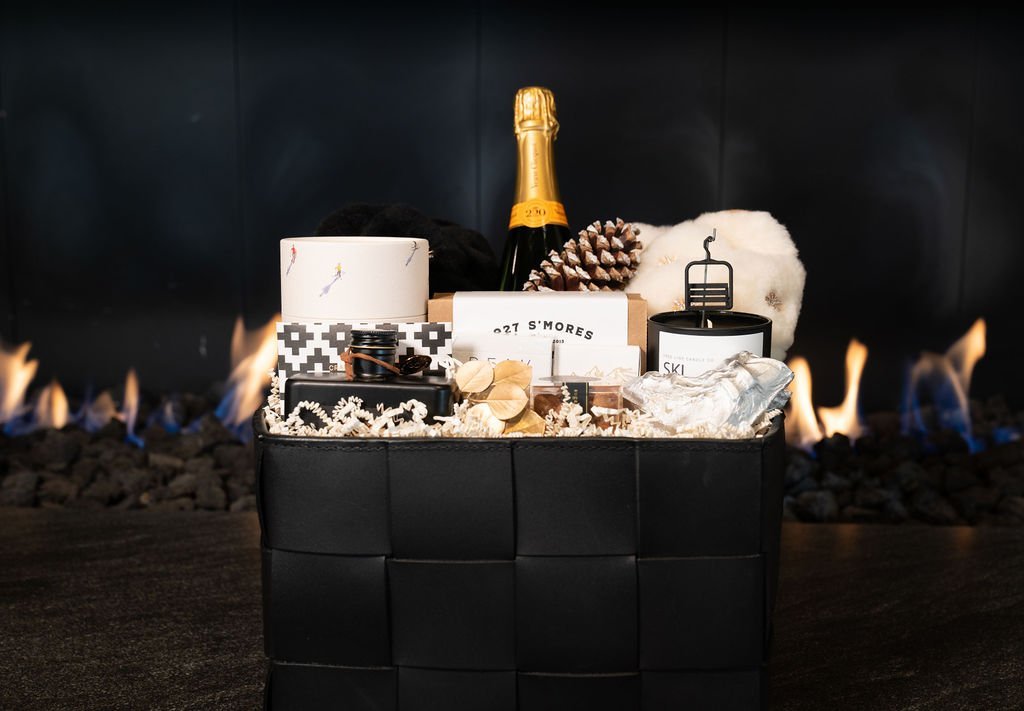
Themed gift sets: Curated around a mood or occasion like birthdays, self-care, or holidays.
-
Upsell bundles: A basic product with premium extras.
-
Mystery boxes: A surprise assortment for customers who love the unknown.
I tested all four, but themed sets got the most traction, especially when I tied them to seasonal promotions for physical goods.
Step 3 – Price for Perceived Value and Profit
The trick is to price your bundle so it feels like a deal without hurting your profits. A good rule of thumb is to offer about 10 to 20 percent off the combined price of the individual products.
I also added a short note in the product description showing what it would cost to buy each item separately. That anchored the discount and made it feel like a smarter buy — a strategy I learned while studying how to price physical products for both sales and profit.
Step 4 – Brand and Package It Like a Pro
Packaging goes a long way. I kept mine simple — tissue paper, a branded sticker, and a printed thank-you card. Customers loved the unboxing experience, and I got way more photo tags on social media when I started putting effort into the look.
You don’t need expensive materials. Just make it look intentional and aligned with your brand — especially if you’re also applying high-quality product photography tips to showcase your bundles.
Step 5 – Write Clear Descriptions and What’s Included
Don’t assume buyers will guess what’s in the bundle. Spell it out. List everything in the box, include dimensions if needed, and mention any exclusive or limited-time items.
I also found that adding a line about “who it’s perfect for” — like teachers, coffee lovers, or new parents — helped customers visualize the gift for someone in their life.
Step 6 – Promote Bundles with Purpose
Post about your bundles often. Email your list. Add a homepage banner. And use social media to show the bundle being opened, used, or packed.
During holiday seasons, I’ve even made countdown-style posts that highlight one bundle per day. It creates urgency without being pushy.
Step 7 – Test, Refine, and Use Customer Feedback
Not every bundle will hit. Some of my ideas totally flopped. But that’s part of the process.
Track what sells. Ask customers what they’d love to see next. I ran a poll once asking followers to vote on their favorite bundle combo, and the winner became my best-selling product that month.
Final Thoughts
Creating bundles and gift sets doesn’t require a huge budget or complex setup. It just takes a little creativity, some planning, and the willingness to test what works for your customers.
Start with what you already have. Package it with care. Tell a story around it. Then let your audience discover the value you’ve created.
The results might surprise you, just like they did for me.