Retail jargon like “omnichannel” and “multichannel” can feel overwhelming. If you’ve ever wondered if they mean the same thing, you’re not alone.
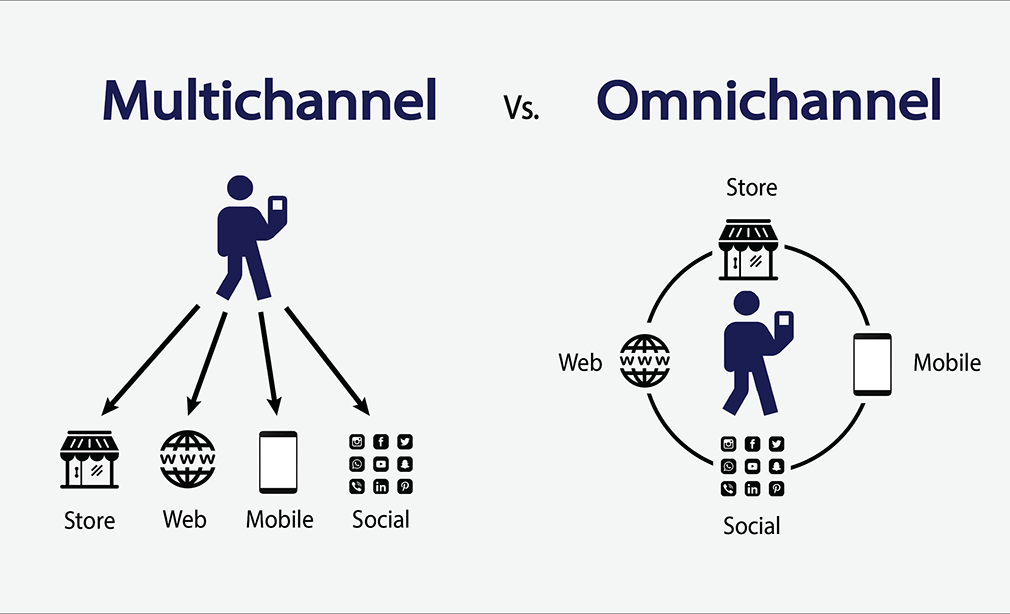
Here’s the simplest explanation: multichannel focuses on being present across multiple platforms, while omnichannel connects those platforms to create a seamless customer experience.
Key Takeaway: Multichannel retailing expands reach by using multiple platforms independently, while omnichannel retailing focuses on integrating those platforms to enhance customer satisfaction.
1. What Is Multichannel Retailing?
Multichannel retailing involves selling across various platforms like websites, social media, and physical stores. Each channel operates independently, giving customers options but not a cohesive experience.
- Example: A clothing boutique sells online, in-store, and on Instagram. A customer who buys online may find that the in-store staff doesn’t know about their purchase.
Who Benefits from Multichannel Retailing?
- Businesses just starting with multiple sales platforms.
- Companies focused on expanding their reach.
- Operations that don’t require cross-channel integration.
Multichannel is a great starting point for businesses exploring new platforms.
2. What Is Omnichannel Retailing?
Omnichannel retailing connects every sales channel, ensuring a consistent and personalized customer experience. All platforms share inventory, customer data, and personalization tools to make transitions seamless.
- Example: A boutique customer buys a dress online, picks it up in-store, and receives a matching accessory suggestion from the staff. The business then emails a discount code for the next purchase.
Who Benefits from Omnichannel Retailing?
- Businesses focused on creating exceptional customer experiences.
- Brands with multiple touchpoints like apps, websites, and stores.
- Companies ready to invest in CRM and AI tools for integration.
Omnichannel retailing ensures customers feel recognized and valued across every interaction.
3. Key Differences Between Multichannel and Omnichannel Retailing
| Aspect | Multichannel | Omnichannel |
|---|---|---|
| Customer Experience | Varies by platform; no cross-channel continuity. | Consistent and personalized across all channels. |
| Integration | Independent platforms with separate data. | Connected systems sharing data and inventory. |
| Focus | Reaching more customers through multiple channels. | Providing a seamless and enjoyable experience. |
| Technology | Basic tools for individual platforms. | Advanced tools like CRM, AI, and integrated systems. |
4. Choosing the Right Approach
Choose Multichannel If:
- You’re new to multiple platforms.
- Budget constraints prevent investing in advanced tools.
- Integration isn’t a priority yet.
Choose Omnichannel If:
- You want to prioritize customer experience and loyalty.
- Your business has multiple touchpoints.
- You’re ready to invest in advanced systems for seamless integration.
5. Real-Life Comparison
- Multichannel Example: A coffee shop sells gift cards in-store and online, but the cards can’t be used across both platforms.
- Omnichannel Example: The same coffee shop offers gift cards usable online, in-store, and via a mobile app, with personalized offers based on customer behavior.
Conclusion
Multichannel retailing allows you to expand your reach by selling on multiple platforms, but each channel operates independently. Omnichannel retailing connects those platforms to create a unified, customer-first experience.
If you’re just starting, multichannel is a great first step. As you grow and prioritize customer loyalty, omnichannel becomes essential. Choose the approach that aligns with your business goals and evolve to meet customer expectations in the most seamless way possible.