I’ll never forget the time a customer emailed me with a photo of their package.
Not the product, mind you, but the pile of plastic wrap, foam peanuts, and a sad crumpled mailer it came in. The message? “Love your product, but this packaging is not it.”
That email hit hard.
I always thought the product was what mattered most. But turns out, how you ship it says a lot about your brand. Especially now, when shoppers care deeply about sustainability. That one message set me down a rabbit hole of research, trial and error, and finally — figuring out how to do packaging better.
Why Eco-Friendly Packaging Even Matters?
Let’s be real, online shopping isn’t going anywhere. But neither is the waste it creates. I used to think eco-packaging was just a “nice to have,” but it’s increasingly becoming a must. Shoppers notice. They talk. And in my case, they call you out when you get it wrong.
But more importantly? It feels right. As a small business owner, I have control over my supply chain. Choosing sustainable packaging is one of the few direct things I can do to reduce my carbon footprint.
And bonus, it builds customer loyalty. I’ve had people specifically say they reordered from me because of the compostable mailers I switched to.
The Best Eco-Friendly Packaging Solutions I’ve Tried
Here’s a breakdown of what I’ve tested (and what worked), so you don’t have to waste time or money figuring it out yourself.
1. Compostable Mailers
I first found these through noissue and Hero Packaging. They look and feel like plastic mailers but break down in a compost bin. Magic.
-
Pros: Lightweight, customizable, great branding.
-
Cons: Slightly pricier than poly mailers, not ideal for sharp-edged products.
-
Tip: Include a card that explains how to compost them — not everyone knows!
2. Corrugated Cardboard Boxes (Recycled)
For bulkier items or fragile goods, I switched to FSC-certified recycled cardboard boxes. I source mine locally to reduce shipping impact, too.
-
Pros: Sturdy, easy to recycle, widely accepted in curbside programs.
-
Cons: Higher shipping cost due to weight.
-
Tip: Go with the right size to avoid excess filler (and save money).
3. Mushroom Packaging
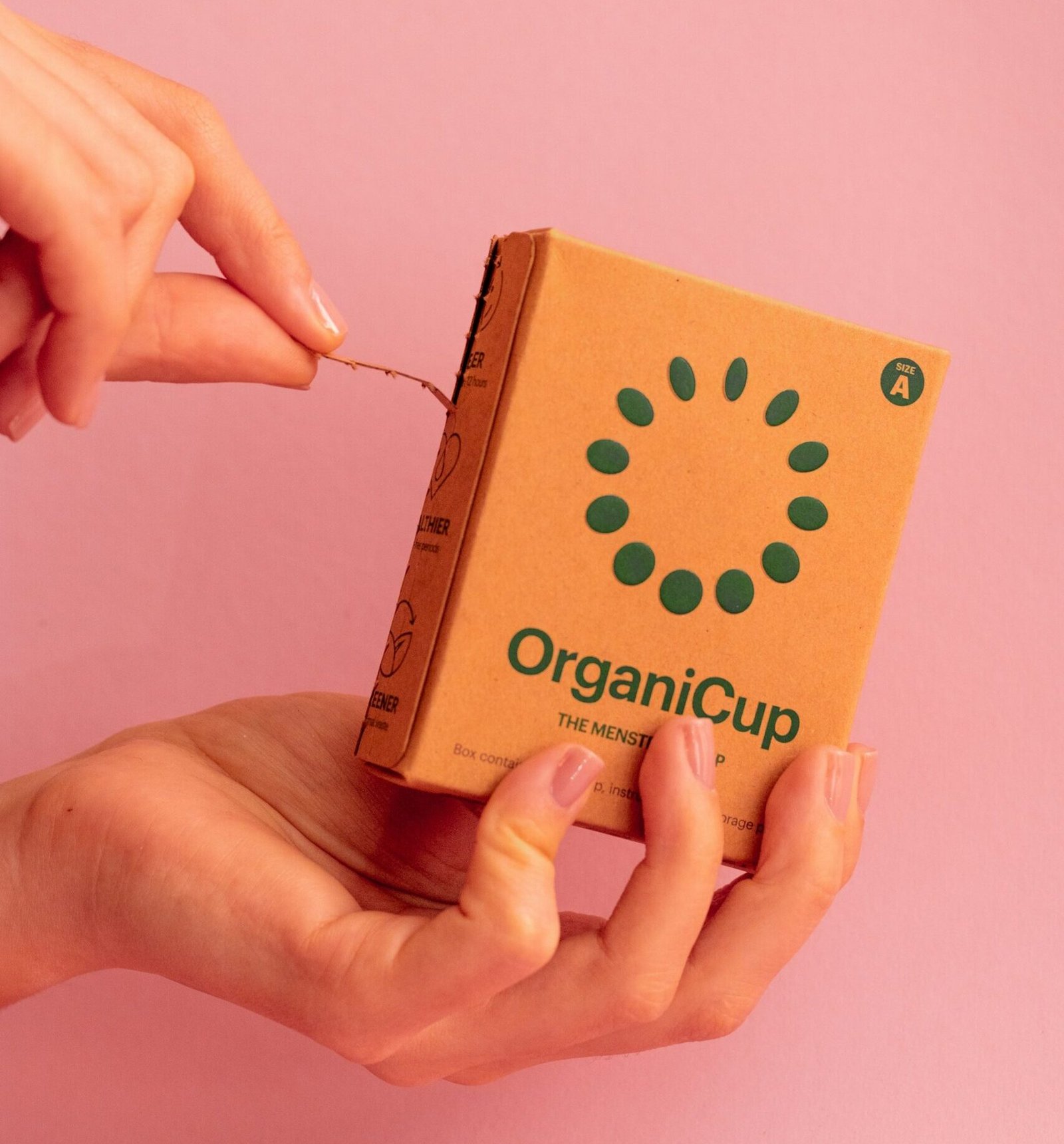
Yes, mushroom. I tried this out for a limited-edition gift box, and people lost their minds (in a good way). It’s biodegradable, moldable, and made from agricultural waste and mycelium.
-
Pros: Fully compostable, protective, and unique.
-
Cons: Expensive and best for small batches.
-
Tip: Great for PR packages or premium products — adds that wow factor.
4. Paper Tape (Instead of Plastic)
Small swap, big impact. I replaced all my plastic packaging tape with water-activated paper tape.
-
Pros: Recyclable with the box, surprisingly strong.
-
Cons: Takes a bit to get used to applying.
-
Tip: Get a dispenser to make the process faster (trust me).
5. Recycled Tissue Paper and Stickers
Instead of plastic wrap or bubble wrap, I use branded recycled tissue paper from EcoEnclose and noissue. My customers often reuse them too.
-
Pros: Lightweight, great for unboxing experience, recyclable.
-
Cons: Not protective on its own.
-
Tip: Layer it or pair it with kraft paper shred for added padding.
6. Cornstarch Packing Peanuts
I was skeptical at first, but they work — and they dissolve in water.
-
Pros: Biodegradable, cushiony, fun for customers to play with.
-
Cons: Messy in humid climates, not great for all types of packaging.
-
Tip: Test with your product — they’re best for lightweight or irregular shapes.
A Few Lessons from the Trenches
-
Start small. I didn’t overhaul everything overnight. I began with the tape, then the mailers, then worked my way up. Don’t let perfect stop you from making progress.
-
Educate your customers. Add a note or card that explains your eco choices. Most people don’t know the difference between recyclable and compostable but they want to.
-
Get feedback. I literally ask in my post-purchase survey: “What did you think of the packaging?” The answers helped me fine-tune what to keep and what to ditch.
-
Measure costs, not just money. Yes, sustainable materials cost a bit more upfront. But I saw reduced returns from damaged goods and more repeat buyers, which made up for it. The goodwill alone is worth it.
Final Thought
Eco-friendly packaging isn’t just about the planet — it’s part of your brand. It shows you care, you’re thinking ahead, and you’re building a business with values.
It took me some time (and a few shipping fails), but now my customers regularly post unboxing photos and tag me — not just for the product, but for the experience. That’s marketing you can’t buy.
So start somewhere. Swap the tape. Try a compostable mailer. Test mushroom packaging just once. Your customers and the planet will thank you.