
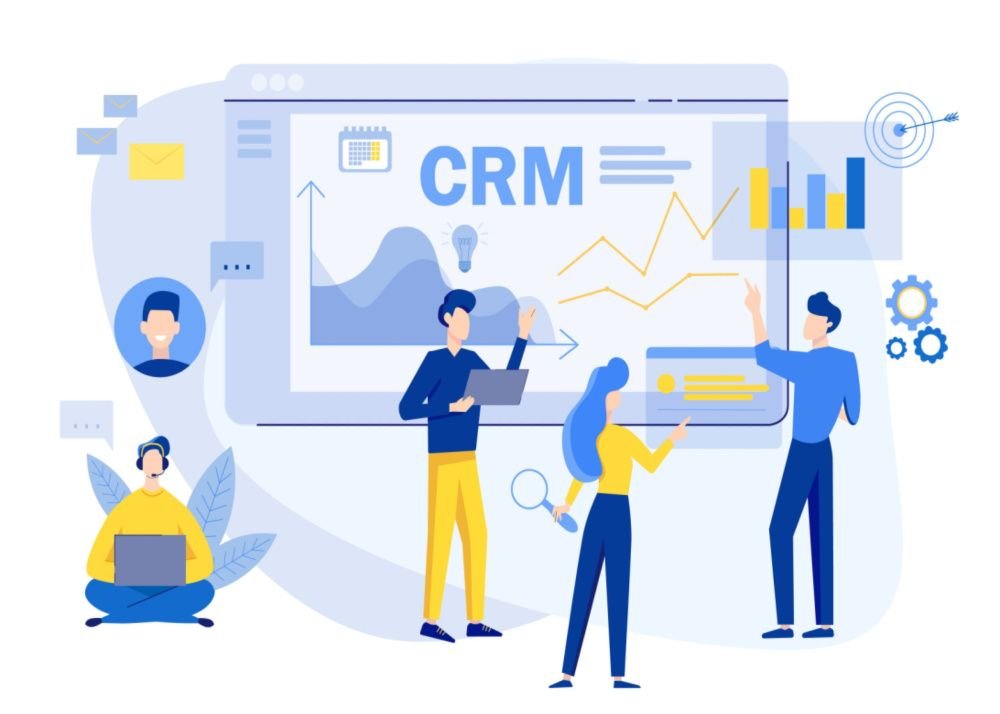
Customer Relationship Management (CRM) is a strategy and technology used by businesses to manage and analyze interactions with current and potential customers.
The goal of CRM is to improve customer service, increase customer retention, and drive sales growth by organizing customer information and facilitating effective communication. Whether you’re a small business or a large enterprise, understanding and implementing CRM can significantly enhance your business operations. Here’s an introduction to CRM, covering its importance, key components, and how it can benefit your business.
What is CRM?
CRM stands for Customer Relationship Management, which encompasses all the strategies, techniques, tools, and technologies that businesses use to manage and analyze customer interactions throughout the customer lifecycle. The primary purpose of CRM is to enhance business relationships, improve customer satisfaction, and increase sales.
CRM systems allow companies to collect customer data from various channels—including websites, emails, social media, and phone calls—and store it in a centralized database. This data can include personal information, purchase history, communication records, and customer service interactions, providing a 360-degree view of the customer.
Key Components of CRM
CRM is more than just a software solution; it involves a strategic approach that includes various components to effectively manage customer relationships. Here are the key components of CRM:
- Sales Management: CRM systems help streamline the sales process by tracking leads, managing sales pipelines, and automating tasks such as follow-ups and reminders. This allows sales teams to focus on building relationships and closing deals.
- Customer Service Management: CRM tools facilitate efficient customer service by providing customer support teams with access to comprehensive customer information, enabling them to resolve issues quickly and effectively. Features like ticketing systems, chatbots, and knowledge bases are often integrated into CRM systems.
- Marketing Automation: CRM systems often include marketing automation features that allow businesses to create and execute targeted marketing campaigns. This includes email marketing, segmentation, lead scoring, and automated workflows to nurture leads and convert them into customers.
- Analytics and Reporting: CRM systems provide analytics and reporting tools that help businesses measure the effectiveness of their sales and marketing efforts. By analyzing data on customer interactions, businesses can gain insights into customer behavior, identify trends, and make data-driven decisions.
- Contact Management: At the core of any CRM system is contact management, which allows businesses to store and organize customer and prospect information. This includes names, addresses, phone numbers, social media profiles, and communication history, making it easy for teams to access and update information.
- Integration: Modern CRM systems integrate with other business tools such as email platforms, social media, e-commerce platforms, and accounting software. This integration helps create a seamless workflow and ensures that all customer data is up-to-date and easily accessible.
6 Main Benefits of CRM
Implementing a CRM system offers numerous benefits that can help businesses of all sizes enhance their operations and improve customer relationships:
- Improved Customer Service: CRM systems provide a centralized database of customer information, enabling support teams to access relevant details quickly and provide personalized service. This improves response times and customer satisfaction.
- Increased Sales: By automating sales processes, tracking leads, and managing customer interactions, CRM systems help sales teams work more efficiently and close deals faster. CRM tools also provide insights into the sales pipeline, allowing businesses to identify opportunities and focus on high-value prospects.
- Enhanced Marketing Efforts: CRM systems enable businesses to segment their audience and create targeted marketing campaigns based on customer data. This personalization increases engagement and conversion rates, leading to more effective marketing efforts.
- Better Data Management: A CRM system organizes and centralizes all customer data, making it easy to track interactions and access information. This eliminates the need for multiple spreadsheets or disjointed systems and ensures that all teams are working with the same up-to-date information.
- Greater Collaboration: CRM systems promote collaboration by providing a shared platform where teams can access customer information and track interactions. This ensures that everyone is on the same page and can work together to deliver a consistent customer experience.
- Scalability: As businesses grow, so do their customer relationships and data management needs. CRM systems are scalable and can accommodate the evolving needs of a business, making them suitable for companies of all sizes.
Choosing the Right CRM System
Selecting the right CRM system depends on your business’s specific needs, size, and goals. Here are some factors to consider when choosing a CRM:
- Ease of Use: The CRM should be user-friendly and easy to navigate, allowing your team to adopt it quickly without extensive training.
- Customization: Look for a CRM that offers customization options to tailor the system to your business processes and workflows.
- Integration: Ensure that the CRM integrates with your existing tools and platforms, such as email, social media, and e-commerce systems.
- Scalability: Choose a CRM that can grow with your business, offering features and functionality that can be expanded as your needs evolve.
- Support and Training: Evaluate the level of support and training provided by the CRM vendor to ensure that your team can get the help they need to use the system effectively.
Conclusion
Customer Relationship Management (CRM) is a powerful strategy that can help businesses of all sizes improve customer interactions, boost sales, and enhance overall operational efficiency. By implementing a CRM system, you can gain valuable insights into your customers’ behaviors, streamline your processes, and build stronger, more lasting relationships. As you explore CRM options, consider your specific business needs and choose a system that aligns with your goals to maximize the benefits of CRM for your business.