
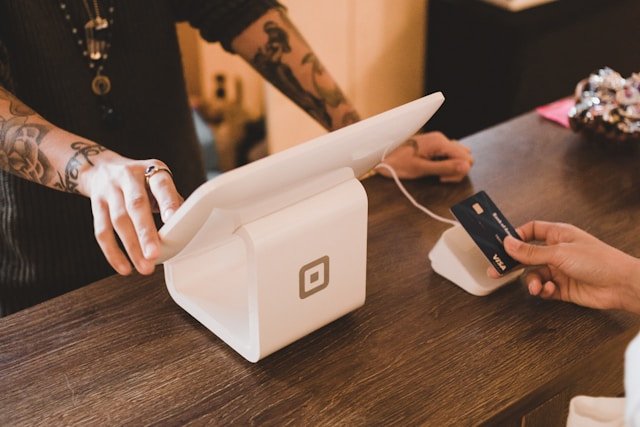
Businesses can gain a deeper understanding of their customers’ preferences, behaviors, and needs by leveraging CRM software. This enables them to deliver personalized experiences, anticipate and address customer concerns proactively, and build stronger relationships over time.
1 Personalized Customer Experiences:
Getting to Know Customers: CRM systems store information about customers, like what they buy and how they interact with the business. Using this data, businesses can make each customer’s experience special by giving them what they like. This makes customers feel valued and keeps them coming back.
2 Timely and Targeted Communication:
Keeping in Touch: CRM tools help businesses communicate with customers at the right time and with the right message. Whether it’s sending personalized emails or offering special deals, CRM ensures that customers get the information they need when they need it. This builds a strong connection between customers and the business.
3 Proactive Issue Resolution:
Solving Problems Before They Grow: CRM helps businesses find and fix customer problems quickly. By keeping track of customer interactions and feedback, businesses can spot issues early and solve them fast. This keeps customers happy and loyal to the brand.
4 Reward and Loyalty Programs:
Rewarding Loyal Customers: CRM systems help set up loyalty programs based on what customers like and buy. This makes customers feel appreciated and encourages them to keep coming back. Tailored loyalty programs make customers feel special and keep them engaged with the brand.
5 Customer Feedback and Improvement:
Listening to Customers: CRM’s analytics tools help businesses collect and understand customer feedback. By listening to what customers say, businesses can make changes to products and services to better meet their needs. This ongoing improvement keeps customers satisfied and loyal.
Benefits for Businesses:
- Consistent Revenue: CRM helps businesses keep customers coming back for more, leading to steady income. Loyal customers are more likely to make repeat purchases and recommend the brand to others, ensuring a reliable source of revenue.
- Stronger Brand Advocacy: Loyal customers become brand advocates who spread positive word-of-mouth about the business. This boosts the brand’s reputation and attracts new customers without spending much on marketing.
- Lower Customer Acquisition Costs: Happy customers not only keep coming back but also bring in new customers through recommendations. This reduces the need for expensive marketing campaigns, saving money for the business.
Conclusion:
In conclusion, using CRM to build customer loyalty is essential for long-term success. By providing personalized experiences, timely communication, quick issue resolution, rewarding loyalty, and listening to feedback, businesses can keep customers happy and loyal. Embracing CRM as a tool for customer loyalty is vital for businesses to thrive in a competitive market.