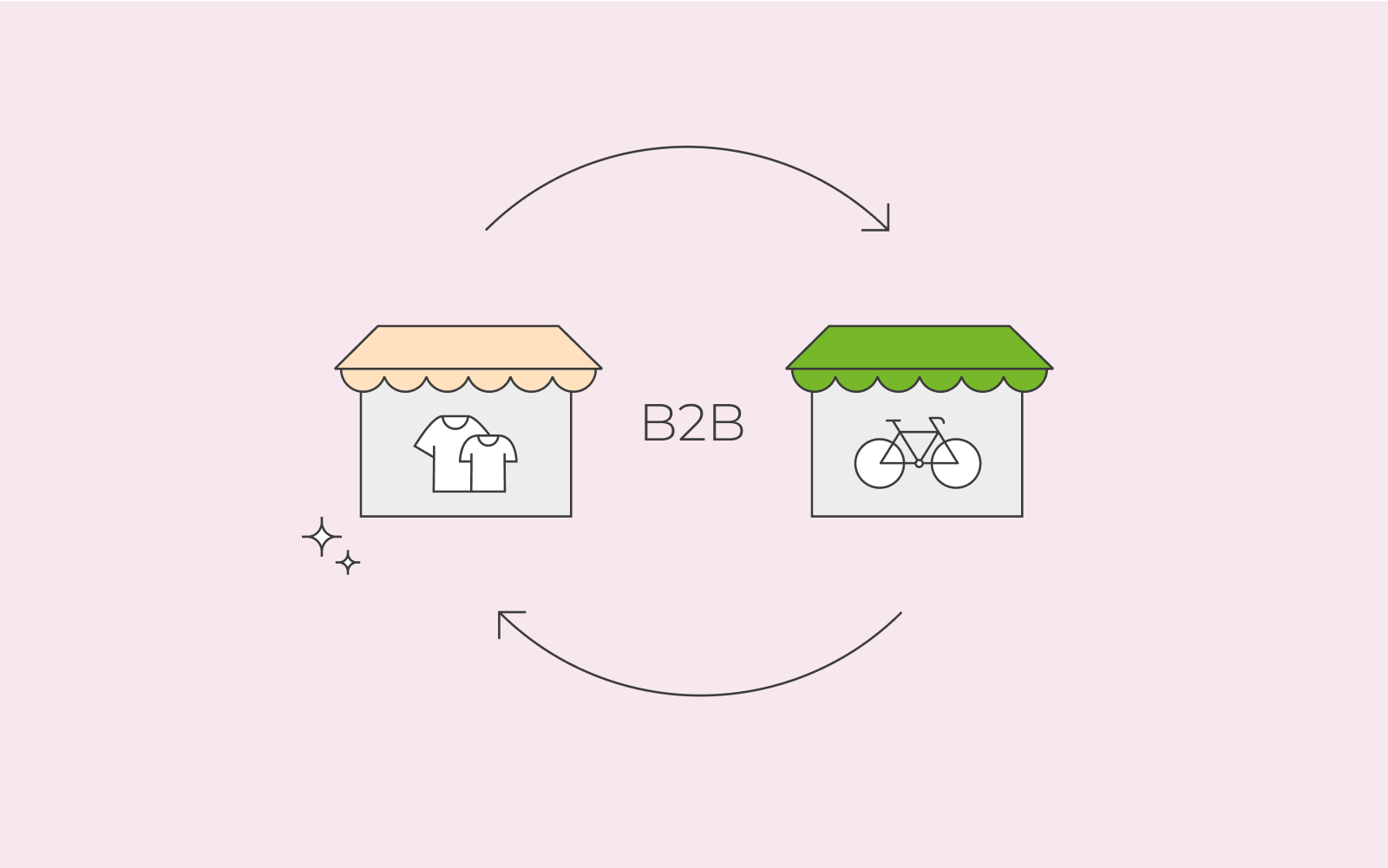
VAT in B2B sales is one of those things that sounds simple, until you’re knee-deep in tax codes and wondering where it all went wrong.
I remember the first time I sold something to a business in another EU country… I charged VAT when I wasn’t supposed to, filed it incorrectly, and spent weeks sorting it out with my accountant. Good times.
But hey, nothing motivates you to learn fast like potential penalties.
First Lesson: Know When to Charge VAT — And When Not To
What I didn’t get at first was this: B2B VAT rules are totally different from B2C. If you’re selling to another VAT-registered business within the EU and they provide a valid VAT number, you usually don’t charge VAT. That’s where the VAT reverse charge mechanism comes in — it shifts the VAT responsibility to the buyer.
I learned this the hard way. Sent a big invoice to a French client, added 20% VAT like a rookie. They emailed back, confused: “Why are you charging VAT? We’re VAT registered.” Cue the credit note, revised invoice, and a slice of humble pie.
Lesson? Always ask for the VAT number up front.
Check That VAT Number. Don’t Just Take Their Word for It
You’d be surprised how many times someone gives you an outdated or invalid VAT number. These days, I always verify it using the VIES system (just Google “EU VIES VAT checker”). It takes seconds.
Even better — I screenshot or save the validation result as a PDF. It’s my insurance policy in case a tax audit ever happens.
If you’re not sure whether a customer is eligible, here’s a full guide on how to check if a customer is VAT exempt. Trust me, it’s worth knowing.
Outside the EU? Different Ball Game
When you’re selling B2B to clients outside the EU, VAT usually doesn’t apply. But that doesn’t mean you skip the paperwork. You’ll still need to prove the sale and document everything. Proof of export, contracts, proper invoicing — it all matters.
And let’s not forget post-Brexit UK transactions. It’s treated like a non-EU sale now, but I still triple-check those invoices. If you’re lost here, this post on EU VAT rules for digital products is a great primer that also applies to service-based B2B transactions.
Domestic B2B Sales? Yep, VAT Still Applies
This one’s easier: if you and the buyer are in the same country and both VAT registered, you charge VAT like usual.
Just make sure:
-
You list both VAT numbers on the invoice.
-
You apply the correct rate (standard, reduced, or zero).
-
You include all legally required invoice notes, like “Reverse charge” if applicable.
I once used the standard rate when a reduced one applied — had to redo every invoice and refile the return. Not a fun weekend.
To avoid mistakes like that, read up on how to issue VAT-compliant invoices. It’ll save you hours down the line.
A Quick Checklist That’s Saved Me Tons of Headaches
Now, every B2B VAT transaction goes through this process:
-
Ask for the VAT number before invoicing.
-
Validate the number via VIES.
-
Identify if it’s domestic or intra-EU.
-
Mark the invoice clearly (e.g., “Reverse charge applicable”).
-
Save documentation and proof (especially for exports).
-
Double-check your VAT return before filing.
And if you’re managing multiple transactions each month, automation helps. Tools covered in this list of best tools for VAT calculation and compliance can take a lot off your plate.
Don’t Be Afraid to Ask for Help
Let’s be real, VAT law is a moving target. Between changing EU laws, different country rules, and digital product complications, it’s a full-time job just keeping up.
So don’t wing it. Hire a good accountant, keep your invoices clean, and use tools that help you stay on top of everything.
Handling VAT for B2B sales isn’t rocket science… but it’s not plug-and-play either. With the right habits and a little prep, it gets a whole lot easier — and your future self (and accountant) will thank you.