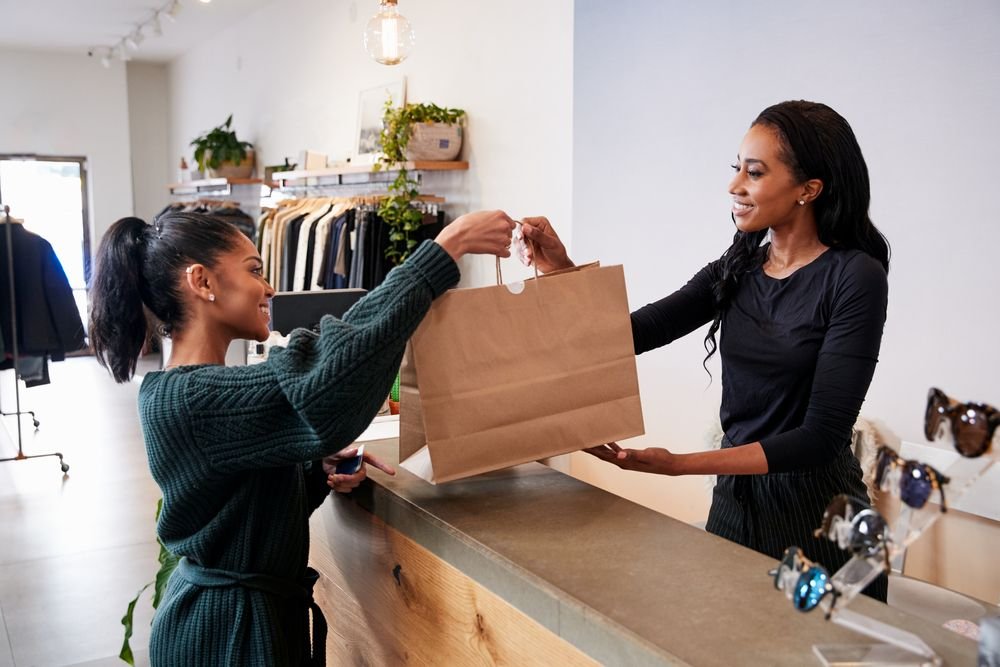
There’s something incredibly satisfying about seeing a new customer come in, place an order, and enjoy your product.
But you know what’s even better? When they come back, without you having to run another ad or shout into the social media void.
Repeat customers are the engine behind long-term growth. And yet, I’ll admit — I didn’t start tracking them seriously until about a year into running my store. Big mistake. Once I started? My email open rates improved, my average order value jumped, and my revenue started looking way less like a rollercoaster.
Here’s what I learned (the hard way) about how to track repeat customers and why you absolutely should.
Why Repeat Customers Matter More Than You Think?
Let’s break it down:
-
They cost less to acquire. You already have their attention.
-
They spend more. Repeat buyers trust you — they don’t hesitate as much.
-
They refer others. Loyalty often comes with word-of-mouth.
-
They give feedback. And they usually mean it.
Once I realized that my repeat buyers were generating nearly 40% of my total sales with zero paid effort, I knew I needed to treat them differently and track them properly.
Tools I Use to Track Repeat Customers
You don’t need anything fancy. I’ve tested free dashboards, spreadsheets, and platform tools.
Here’s what worked best for me:
-
Payhip Dashboard
Shows each customer’s email, number of purchases, and total revenue. Simple but super useful. If you’re selling through Payhip, it’s crucial to track sales on Payhip for store analytics and reporting. -
Google Analytics (GA4)
Under “Retention,” you can see returning users and compare their behavior to new visitors. You can even set up custom events to track purchases per session. If you’re not set up yet, start with this step-by-step guide to setting up Google Analytics for Payhip. -
Email Platforms (Klaviyo or Mailchimp)
These let me segment “repeat buyers,” “dormant buyers,” and “VIP customers.” It’s gold for targeted campaigns, especially when you’re looking to analyze customer behavior to boost sales and UX. -
Google Sheets
When in doubt, export your order history. Filter by email address and count how many times each one appears. That’s your list of repeat buyers.
Key Metrics I Watch
If you want to get serious, don’t just eyeball it. Here’s what I track monthly:
-
Repeat Purchase Rate: Tells me what percentage of my customers came back.
-
Customer Retention Rate: Measures how many stick around over time. Helps with forecasting and LTV planning. For a deeper dive, check out this complete guide to measuring customer lifetime value.
-
Orders Per Customer: Shows who buys multiple times — and who disappears after one.
-
Time Between Purchases: This helps me time my email campaigns better. If the average gap is 3 weeks, I send reminders around week two.
Step-by-Step: How I Track Repeat Buyers
Step 1: Identify Unique Customers
Use customer email addresses as identifiers. Match them to orders. If an email shows up 2+ times? They’re a repeat buyer.
Step 2: Segment Your Audience
Group your customers into:
-
One-time buyers
-
2–3 time buyers
-
Loyal customers (4+ orders)
This tells you who needs nurturing and who deserves a loyalty perk.
Step 3: Use That Info to Personalize
-
Send a thank-you series to new buyers
-
Offer a loyalty reward after their second order
-
Give early access to new drops for top customers
It’s not just about tracking, it’s about using the data to drive action. You can even use analytics to improve upsells and boost your average order value by targeting the right repeat segments.
What I Do with This Data?
Once I started tracking repeat buyers consistently, here’s how I used the info:
-
Created an automated email flow for 2nd-time buyers, resulted in a 15% lift in third-time purchases
-
Tagged high-value customers and sent them handwritten thank-you cards (yep, old school and wildly effective)
-
Launched a loyalty program just for repeat customers
-
Tested bundles and subscriptions with my most frequent buyers
-
Sent re-engagement emails to people who hadn’t purchased in 90+ days
Suddenly, I wasn’t just chasing new sales, I was growing the ones I already had.
Final Thoughts
If you’re not tracking repeat customers, you’re not seeing the full picture.
These are the people who already trust you, already like what you offer, and just need a reason to come back. Use the tools you already have, even just a spreadsheet and start paying attention to your most valuable buyers.
Because once you know who they are, you’ll know exactly how to grow.