
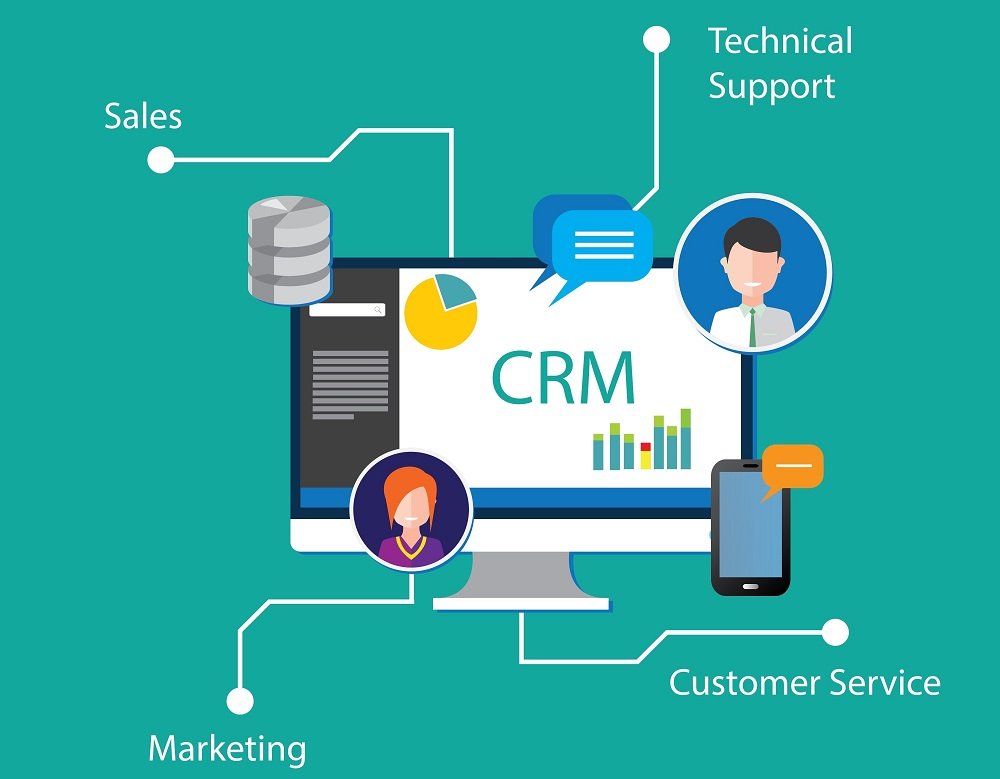
Effective communication is the cornerstone of successful customer relationship management (CRM).
Many businesses struggle in this area—it’s akin to trying to run a marathon without proper training. However, when done correctly, the rewards are well worth the effort. Below are some practical strategies that can elevate communication and foster lasting customer relationships.
1. Personalized Communication: The Key to Making Customers Feel Valued
It’s widely recognized that people appreciate personalized experiences—much like the satisfaction of receiving a birthday card, even from a dentist. In CRM, personalization extends beyond merely using a customer’s first name in an email. It involves understanding their needs, preferences, and behavior patterns. For instance, if a customer frequently purchases running gear, sending an email highlighting the latest in trail shoes or offering an exclusive discount on performance socks can be highly effective.
A company that previously struggled with high unsubscribe rates on its newsletters saw a significant improvement after switching to audience segmentation based on purchase history and preferences. As a result, engagement soared, and the unsubscribe rate dropped by nearly 30%. Customers respond positively when they feel acknowledged and understood. Therefore, leveraging CRM data to create personalized experiences is crucial.
2. Timely Responses: Speed Matters More Than You Think
In an era where instant gratification is the norm, timely responses are essential. Whether addressing customer inquiries or following up on service requests, the timing of communication is critical. A common frustration among customers is the delay in receiving responses, which can lead to dissatisfaction and even brand switching.
To mitigate this, businesses should consider implementing automated responses that immediately acknowledge customer messages. While these responses may not resolve the issue right away, they assure customers that their request has been received and is being addressed. For more complex issues, setting clear expectations for response times and adhering to them is crucial. Studies indicate that customers are four times more likely to leave a competitor for a company that offers superior service experiences, highlighting the importance of timely communication.
3. Consistent Messaging Across All Channels: Avoid Mixed Messages
Inconsistent messaging can be confusing and damaging to customer trust. Customers who receive conflicting information across different channels—such as an email promoting one deal and a completely different offer on social media—are likely to feel frustrated and lose confidence in the brand.
To prevent this, it is essential to ensure that the CRM system is well-integrated with email marketing, social media, and customer service platforms. This integration helps maintain a unified voice across all customer touchpoints. A strong CRM strategy should map out the customer journey, ensuring that every interaction delivers consistent, accurate, and engaging messaging.
4. Active Listening: More Than Just Hearing Words
Active listening is a critical yet often overlooked aspect of effective communication. It involves more than just reading customer emails or skimming through feedback forms; it requires genuinely understanding customer opinions, pain points, and feedback. Businesses that actively seek customer input can gain valuable insights that lead to improved products and services.
For example, a company that had not considered asking its customers why they were no longer purchasing its products discovered through surveys that a simple change in packaging could address concerns about sustainability. This change led to increased sales and higher customer satisfaction. Utilizing CRM tools to collect and analyze feedback, and regularly checking in with customers—whether or not something has gone wrong—can make customers feel valued and provide critical insights for the business.
5. Proactive Communication: Anticipate Needs Before They Arise
Proactive communication involves anticipating customer needs and reaching out with solutions before the customer even realizes they need them. For instance, a bank that notifies customers of suspicious transactions before they have a chance to check their accounts exemplifies proactive communication that builds trust and security.
This approach can be as simple as sending reminders for expiring subscriptions, following up after a purchase, or providing tips on how to get the most out of a recently purchased product. By being proactive, businesses can build trust and position themselves as genuinely caring about their customers’ experiences.
Conclusion
Mastering communication in CRM is not about flashy technology or sophisticated language; it’s about authenticity, consistency, and a genuine commitment to connecting with customers. By personalizing interactions, responding promptly, maintaining consistent messaging, actively listening, and being proactive, businesses can foster deeper, more meaningful relationships with their customers. Effective communication strategies can significantly enhance CRM efforts, leading to stronger customer loyalty and long-term success.