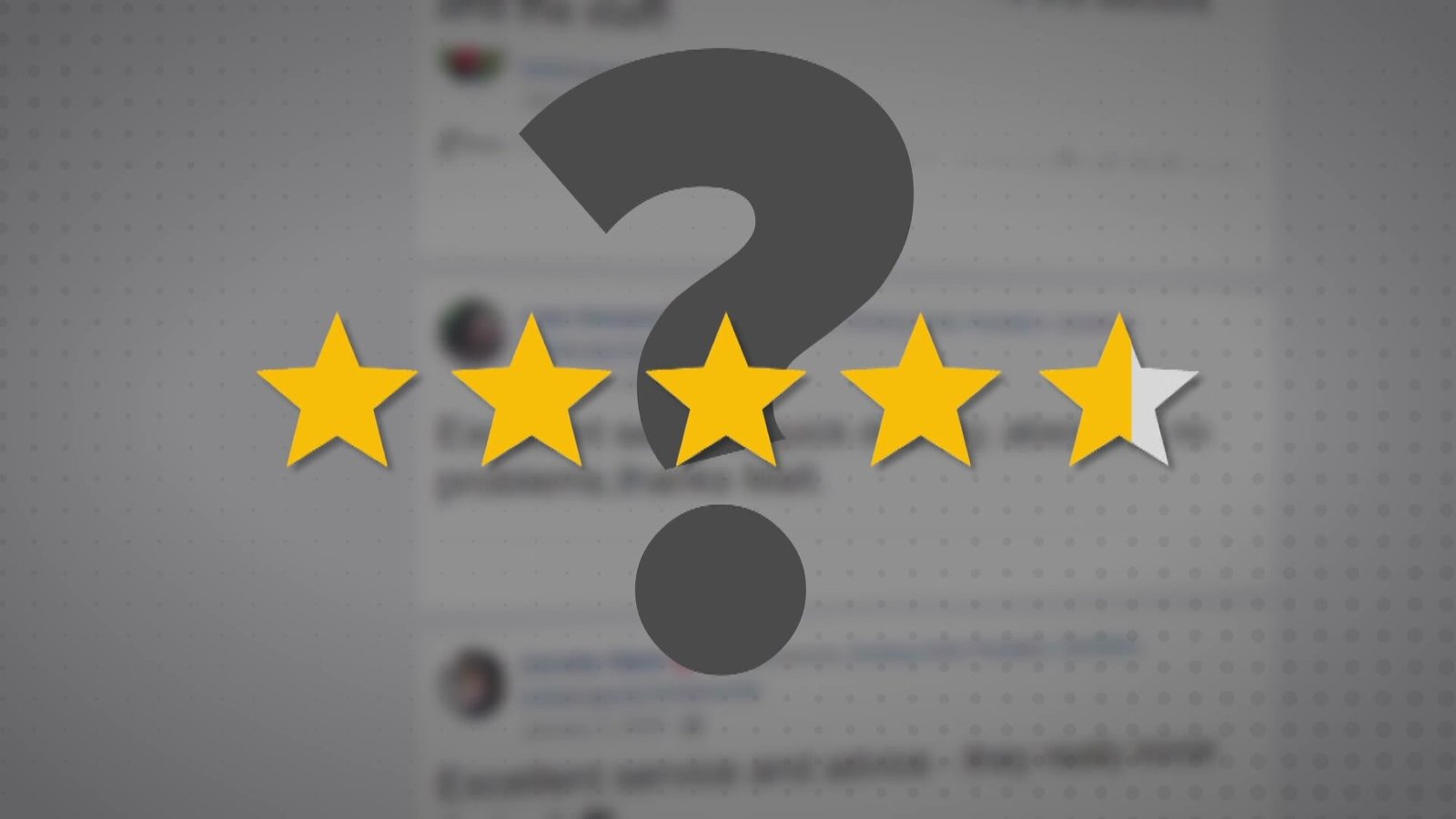
I used to scroll right past star ratings like they were background noise.
I mean, they’re just those little yellow icons, right? But after running my first real product listing, I learned real fast how powerful they actually are.
I’ll never forget this: I had two product pages running side by side — same copy, same images, even the same price. Only difference? One had no ratings. The other had a clean row of 4.8 stars and a handful of short reviews.
Guess which one doubled its click-through rate? Yep — the one with the stars.
First Impressions Happen in Milliseconds
People don’t read, they scan. Especially on Google. And star ratings act like a flashing green light. They’re quick, visual proof that your product or service is legit.
I ran a test using Google Ads, and listings that displayed star ratings saw a 25–30% higher CTR. No joke. It’s one of those small tweaks that packs a massive punch.
What really blew my mind? Even a 4.2-star average outperformed the unrated version by miles. You don’t need perfection, just enough social proof to build trust.
Want to understand the deeper marketing science? Check out how reviews impact SEO and conversions — it explains why this tactic works so well.
Where Star Ratings Actually Show Up?
Alright, here’s the deal — star ratings can appear in all sorts of places if you do it right:
Google Search Snippets
This is the big one. Ever notice listings with orange/yellow stars underneath? Those are powered by review schema markup. Once I implemented it on my product pages, traffic went up without any extra ad spend.
Google Shopping Ads
If you’re selling eCommerce products, star ratings here are make-or-break. People literally filter by review score.
Product Listing Pages
Even within your own site, having stars beneath product titles improves scannability. Users are more likely to click if they know others liked it.
Facebook/Instagram Ads
Social ads with a visual “4.6 ★★★★★” or even screenshots of reviews convert better. Trust signals are everything on scroll-heavy platforms.
Make sure you’re also displaying customer reviews effectively across your site — it makes a huge difference in how credible your page feels.
How I Collected My First 50 Reviews? (Without Begging)
When I launched my site, I had zero reviews. It was awkward. But I got crafty:
-
Sent a follow-up email post-purchase with a friendly nudge: “Hey, mind sharing your thoughts? Good, bad, or in-between — I read every one.”
-
Offered a small discount on their next order in exchange for a review — totally above board and crazy effective.
-
Personally replied to early reviews to build connection. That helped spark more organic ones.
It wasn’t instant, but once those first 15–20 rolled in, I noticed a visible uptick in clicks from Google and social. Even got a few emails like, “Your reviews convinced me to try it!”
If you’re just starting, here’s how to collect reviews for your Payhip store — most of it works for other platforms too.
Don’t Fake It, Seriously
Look, I get it — the temptation to juice your star rating is real. But fake reviews? Bad idea. Not just unethical, but platforms are cracking down hard. Plus, customers are smart. If they smell something fishy, your brand’s toast.
Instead, highlight honest feedback. Even a few 3-star reviews can build more trust. Why? Because they make the good ones feel real. I once had a customer praise my “authentic reviews” and said it made them feel safer buying.
If you’re worried about fraud, here’s a solid guide on managing fake or spam reviews.
Small Stars, Big Results
If there’s one thing I’d go back and do sooner, it’s implement star ratings everywhere. They don’t just help people decide — they help people click. And clicks are everything.
So whether you’re running an online store, a service business, or even a blog with affiliate links, trust me: get those stars up. Use review tools, install schema, and nudge happy customers to share the love.
You can even save time by automating review requests via email — it’s one of the easiest ways to keep reviews flowing in.
It’s a small touch that tells people, “Hey — others tried this and liked it.” And that simple signal can double your chances of getting the click.