“You might also like…” That one simple phrase has cost me so much money over the years, and honestly? I’m not even mad about it.
We’ve all been there. You go in for one product, and somehow, your cart is now three items deep. Not because someone pushed you into it, but because those recommendations actually made sense. That, my friend, is the power of cross-selling.
And it’s not just a gimmick. According to McKinsey, companies that cross-sell effectively see 20% more sales and up to 30% more profits. It’s not about bombarding people with random stuff. It’s about showing the right extras that genuinely enhance their purchase — and doing it in a way that feels helpful, not pushy.
So if you’re running an online store, selling digital products, or even offering services — this guide is for you. Let’s break down what cross-selling really is, how it works, and how you can use it to increase your average order value in 2025.
What Is Cross-Selling?
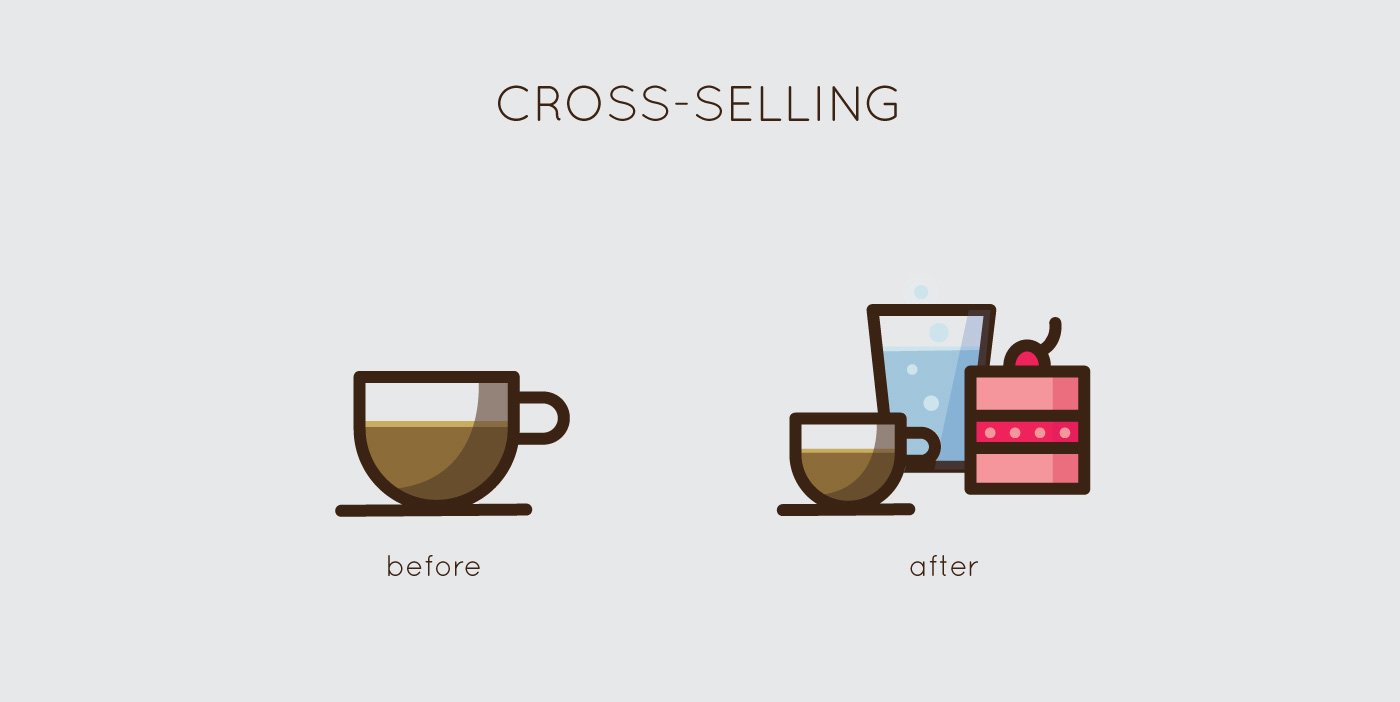
Cross-selling is when you offer additional products that complement what a customer is already buying.
It’s not the same as upselling — upselling tries to get people to upgrade; cross-selling adds value with relevant add-ons.
You see it in action every time Amazon shows “Frequently Bought Together” — that’s a cross-sell.
This strategy is used across industries: from food chains to SaaS tools and digital download platforms.
It boosts retention, increases order value, and makes the buyer’s experience more complete.
How Cross-Selling Works in E-commerce?
E-commerce platforms track what customers view and buy, then recommend related items.
Cross-sells can appear on product pages, in the cart, or in post-purchase emails.
You might see offers like “Add socks to match your shoes” or “Add a digital workbook to your course.”
Smart tools (like Shopify apps or Payhip cross-sell features) automate these suggestions based on data.
Creating product bundles is another powerful form of cross-selling, especially for creators with digital goods.
5 Cross-Selling Strategies That Actually Work
-
Offer complementary products, not random ones — pair a phone with a case, or a course with a checklist.
-
Use time-based cross-sells — like email offers after a purchase or “upgrade now” during checkout.
-
Create bundles that feel like a deal — for example, “Save 20% when you buy all 3 ebooks.”
-
Personalize recommendations using purchase behavior or browsing data.
-
Always A/B test your cross-sell placements and offers to improve conversions.
Want inspiration? Check out these cross-sell product ideas for digital creators based on real experience.
Examples of Cross-Selling in Real Life
-
Amazon: Shows “Frequently Bought Together” combos on almost every product page.
-
McDonald’s: The iconic “Would you like fries with that?” is classic cross-selling.
-
Digital Creators: A course seller offering a PDF template or coaching call at checkout.
-
SaaS Products: Adding premium support or extra storage for a monthly fee.
If you’re building cross-sells into your store, consider combining them with exclusive VIP upgrades for even higher-value sales.
Common Mistakes in Cross-Selling
-
Recommending irrelevant products — this feels spammy and kills trust.
-
Showing too many options at once — leads to choice paralysis.
-
Being too aggressive with pop-ups and push notifications.
-
Not testing what works — you won’t know unless you measure.
Make sure your offers are grounded in real upsell psychology, so they feel like value, not noise.
How to Implement Cross-Selling in Your Business?
-
Start by identifying products that naturally go together — what are customers often buying in pairs?
-
Use tools on Shopify, WooCommerce, or Payhip to add cross-sell functionality.
-
Write short, helpful copy like “Need a charger for this device?”
-
Place cross-sells on product pages, cart pages, and thank-you pages.
-
Track metrics like average order value and conversion rates — test and tweak regularly.
Cross-Selling vs. Upselling: What’s the Difference?
-
Cross-selling = side products (e.g., buying a tripod with a camera)
-
Upselling = better versions (e.g., upgrading from basic to pro plan)
Want to master both? Learn how to write high-converting upsell copy that sells without sounding sleazy.
Use cross-sells to increase basket size, and upsells to increase product value.
You can use both — just don’t overload your customer.
Conclusion
Cross-selling isn’t about selling more, it’s about selling smarter.
When you show people helpful, relevant extras, you’re not just increasing your revenue — you’re improving their experience.
So start with one cross-sell opportunity today. Pick a product, find a match, and create a simple offer. Then measure the impact.
Over time, those small changes can lead to huge improvements in sales, retention, and satisfaction.