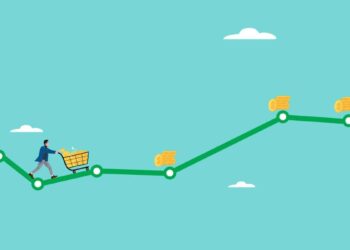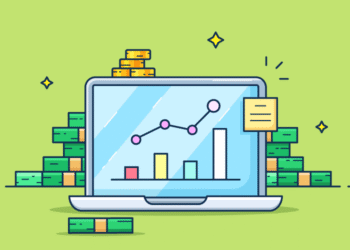
I used to treat upsells like a shot in the dark. I’d throw in a random “You might also like…” after checkout and hope for the best.
Sometimes it worked. Most of the time? Crickets.
Turns out, upsells aren’t just about what you offer. It’s when, how, and why and analytics tells you all three.
Once I started using data to track upsell performance, my average order value jumped by 23% in just two months. Here’s exactly how I did it (and how you can too).
What Exactly Are Upsells?
An upsell is when you offer a customer something extra — a better version, a bundle, or a related product, after they’ve shown buying intent.
Think:
-
“Upgrade to the pro version for just $10 more”
-
“Add this for 50% off before you check out”
-
“People who bought this also got this…”
It works because customers are already in yes mode. But to make it really work, you need to know which offers actually convert — and that’s where analytics comes in.
If you’re new to tracking store data, start with this beginner’s guide to e-commerce analytics to get familiar with what numbers matter.
The Metrics That Matter Most
Before I made any changes, I looked at a few core numbers:
-
Average Order Value (AOV): My baseline, how much people were spending
-
Upsell Conversion Rate: How often the upsell was accepted
-
Click-through Rate (CTR): Were people even noticing the offer?
-
Cart Abandonment Rate: Were upsells slowing people down?
-
Product Affinity: What products were naturally bought together?
If you’re not tracking these yet, start with whatever your platform gives you — Shopify, Payhip, or just exported order data in Google Sheets.
You can also dive deeper into behavior patterns with tools mentioned in this guide on how to analyze customer behavior to boost sales and UX.
How I Used Analytics to Improve My Upsells?
Step 1: I Found My Hero Products
Turns out 80% of my sales came from just 3 items. So instead of spreading myself thin, I built upsells around those.
Step 2: I Looked for Common Combos
Using Payhip exports and Google Sheets, I saw customers often bought my “Workbook A” and “Template Pack B” together — but I’d never offered them as a bundle. That changed fast.
Step 3: I Measured Engagement
I added tracking tags to upsell buttons and set up event goals in Google Analytics. CTRs were under 1% on desktop — but over 4% on mobile. That told me I needed to optimize for small screens.
For more on this kind of event-based measurement, check out this guide on setting up Google Analytics for Payhip.
Step 4: I Watched Abandonments
Using Hotjar, I saw some customers bounced when an upsell interrupted their checkout flow. So I moved my offer to the confirmation page — boom, conversions improved immediately.
You might also want to read this breakdown on how to reduce cart abandonment using data, a must if your upsells are hurting more than helping.
What I Optimized? (and What Actually Worked)
-
Placement: Post-checkout offers performed better than pre-checkout
-
Copy: “Add for $9” outperformed “Upgrade for premium access”
-
Design: Larger buttons and cleaner spacing increased CTR
-
Timing: Email upsells 2 days after purchase performed better than same-day
Oh, and here’s a quick win: when I added customer reviews next to the upsell, conversion rate went up 12%. Social proof matters — even in upsells.
Upsell Strategies That Grew My AOV
-
Bundle high-converting products
-
Offer limited-time post-purchase deals
-
Use behavior-triggered email upsells
-
Rotate upsells based on season or cart size
-
Personalize offers by purchase history
Want to go further? Try testing variations with the tips in this A/B testing guide for e-commerce success to refine your upsell timing, copy, and format.
The more I leaned on data, the more dialed-in these offers became.
Final Thoughts
Upsells are one of the easiest ways to grow your revenue but only if you stop guessing.
With just a little analytics setup, you can track what’s working, kill what’s not, and refine your offers over time. Your customers get more value. You get higher order values. Win-win.
So take a look at your store today. Are your upsells working? Or are they just sitting there, quietly underperforming?
Let your data answer that and use it to level up.