When it comes to keeping your online stuff safe, deciding between a Virtual Private Network (VPN) and a proxy server is a big deal.
Both do similar jobs but in different ways. It’s important to know the differences so you can pick the right one for you. In this guide, we’ll talk about VPNs and proxies, what they do, what’s good about them, and what’s not so great. Whether you want to keep your online stuff private, get around website restrictions, or just feel safer online, understanding VPNs and proxies will help you make the right choice.
1 VPN (Virtual Private Network)
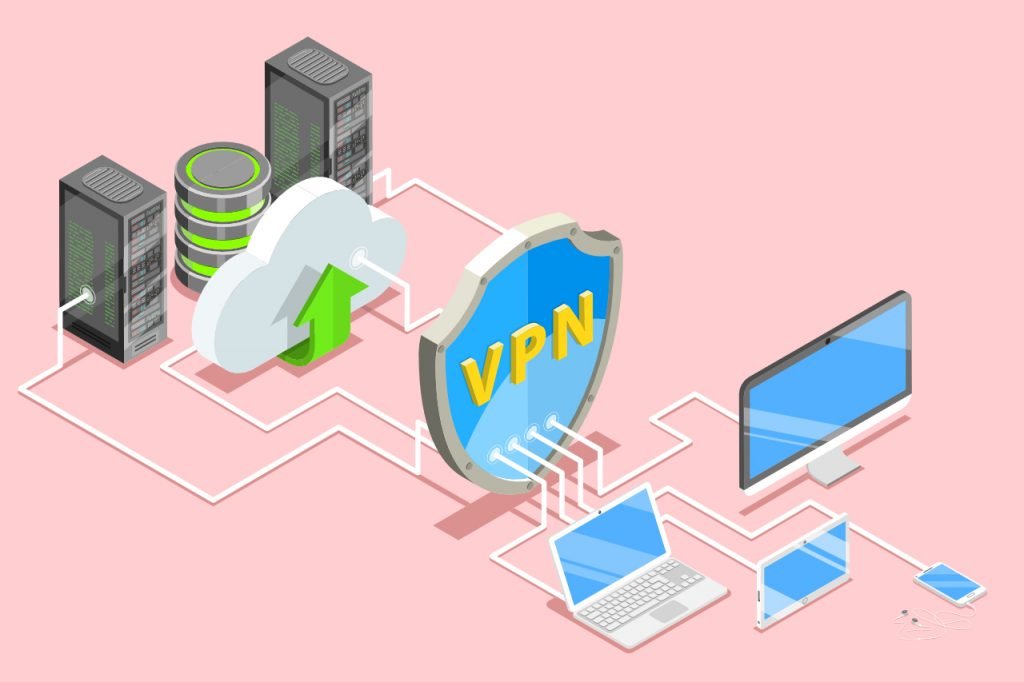
How It Works: A VPN establishes a secure, encrypted connection between your device and a remote server, often located in a different region or country. When you connect to the internet via a VPN, your actual IP address is concealed, making it appear as if you’re accessing the web from the VPN server’s location.
When to Choose a VPN:
- Comprehensive Privacy: If your primary concern is safeguarding your online privacy, a VPN is the superior choice. VPNs encrypt your data, protecting it from prying eyes, including your Internet Service Provider (ISP).
- Anonymity: VPNs provide complete anonymity by hiding your IP address, making it exceedingly difficult for anyone to trace your online activities back to you.
- Versatility: VPNs are versatile security tools, enhancing privacy and security across various online activities, from browsing and streaming to torrenting and online banking.
- Protection on Public Wi-Fi: If you frequently connect to unsecured public Wi-Fi networks, a VPN is essential. It secures your data, preventing potential data breaches.
Considerations:
- VPNs may slow down your internet connection slightly due to encryption and routing through remote servers.
- Most VPN services require a subscription fee.
2 Proxy Server
How It Works: A proxy server acts as an intermediary between your device and the internet. When you connect to a website via a proxy, the website only sees the IP address of the proxy server, not your own. However, proxies do not encrypt your internet traffic.
When to Choose a Proxy:
- Changing IP Address: If your primary goal is to change your IP address for specific purposes, such as accessing region-restricted content or websites, a proxy can suffice.
- Speed: Proxies are generally faster than VPNs because they don’t add encryption overhead, making them ideal for tasks where speed is crucial.
- Cost-Consciousness: Many free proxy servers are available, making them a budget-friendly option for certain tasks.
Considerations:
- Proxies do not provide the same level of data encryption, privacy, and security as VPNs.
- They are not suitable for tasks requiring strong privacy protection or protection on public Wi-Fi networks.
3 Making the Right Choice
To make an informed decision between a VPN and a proxy, consider your specific needs:
Choose a VPN if:
-
- You prioritize comprehensive online privacy and security.
- You need anonymity for various online activities.
- You want to protect your data on public Wi-Fi networks.
- Versatility and data encryption are essential.
Choose a Proxy if:
-
- You primarily want to change your IP address.
- You’re focused on accessing region-restricted content or websites.
- Speed is crucial for your specific tasks.
- You’re comfortable with lower security levels for certain activities.
4 In Summary
VPNs are the go-to choice for users seeking robust privacy, security, and anonymity across a wide range of online activities. On the other hand, proxies are suitable for specific tasks like bypassing geo-restrictions and changing IP addresses, particularly when speed is a critical factor.
Ultimately, the decision between a VPN and a proxy hinges on your individual needs and priorities. Understanding their differences will help you choose the right tool to enhance your online experience, whether it’s for privacy, security, or accessing content.