
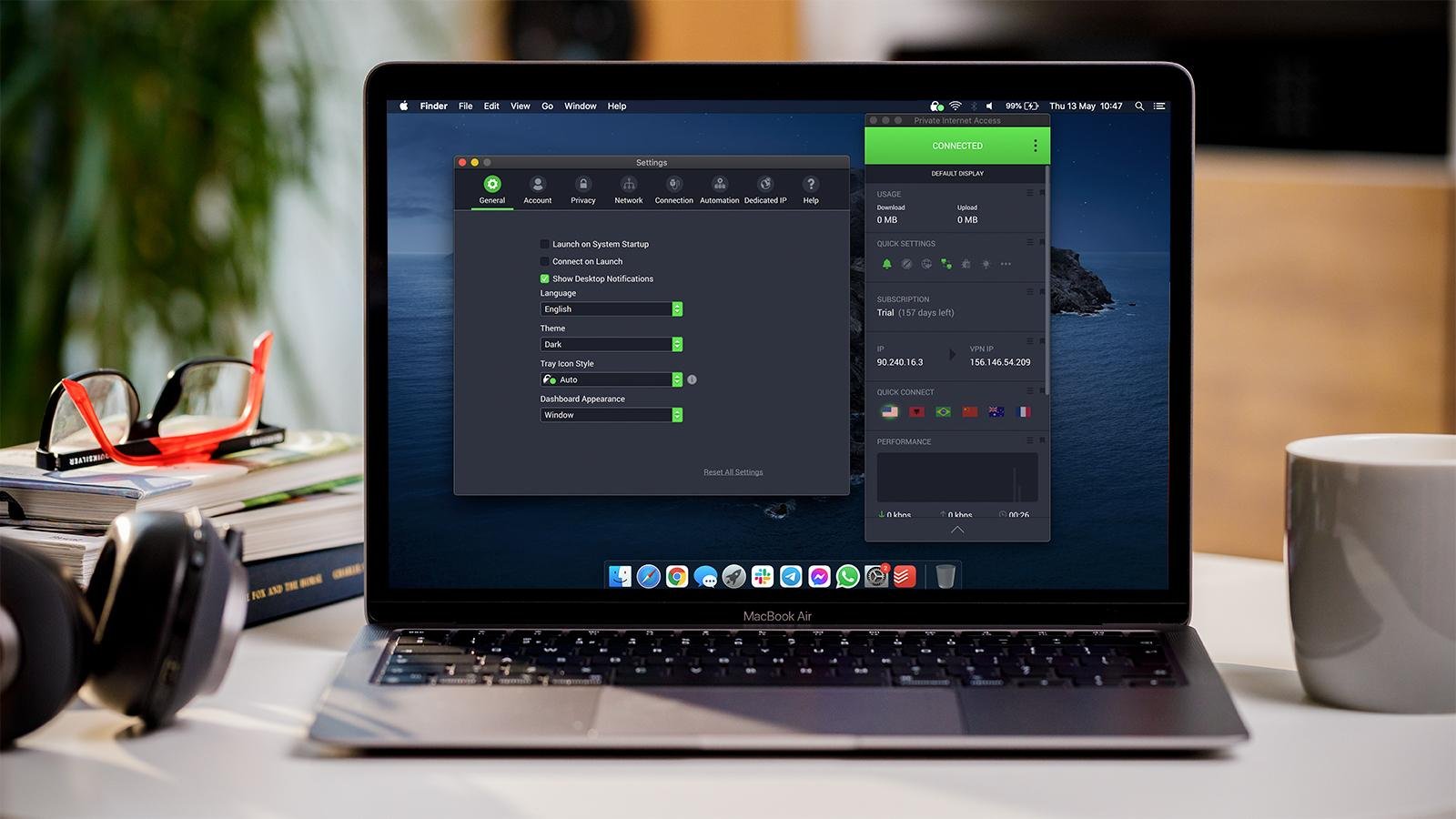
With the increasing reliance on digital tools and remote work arrangements, organizations face the challenge of providing employees with secure connections while maintaining control over network access and data privacy. Two common solutions for addressing these needs are Virtual Private Networks (VPNs) and proxies, each offering unique benefits and functionalities.
VPN (Virtual Private Network) for the Workplace
How It Works: A VPN creates a secure, encrypted connection between your device and a remote server. This server can be part of your organization’s network or a dedicated VPN server. All your internet traffic, including access to work resources, is routed through this secure tunnel, ensuring privacy and security.
Pros:
- Security: VPNs offer robust security through encryption, protecting sensitive work data from potential threats and eavesdropping.
- Full Network Access: With a VPN, you can access your organization’s entire network, including shared drives, internal tools, and resources, as if you were physically in the office.
- Privacy: VPNs hide your IP address, ensuring anonymity while accessing work resources.
Cons:
- Cost: Many VPN services require a subscription fee.
- Potential Speed Impact: Due to the encryption process and routing through remote servers, VPNs can sometimes lead to slightly slower internet speeds.
Proxy for the Workplace
How It Works: A proxy server acts as an intermediary between your device and the internet. When you connect to a work resource through a proxy, the proxy fetches the data from the internet and delivers it to you. However, proxies don’t offer encryption for your data.
Pros:
- Speed: Proxies are generally faster than VPNs because they don’t add encryption overhead. This can result in a smoother and faster remote work experience.
- Selective Access: Proxies can be configured to provide access to specific work resources or websites, allowing for granular control.
Cons:
- Limited Security: Proxies do not provide the same level of security as VPNs since they don’t encrypt your data. This can pose a security risk for sensitive work information.
- Privacy Concerns: Some proxies may log your online activities, which can be a privacy concern when handling confidential work data.
Making the Right Choice for the Workplace
The choice between a VPN and a proxy for remote work depends on your organization’s specific needs:
- Choose a VPN for Security: If your organization prioritizes data security and privacy, especially when handling sensitive work information, a VPN is the appropriate choice. VPNs provide encryption and full network access, ensuring a secure and private connection to work resources.
- Choose a Proxy for Speed and Selective Access: If your primary concern is speed and you only need access to specific work resources or websites, a proxy can provide a faster connection. However, it’s essential to consider the security implications, especially for sensitive data.
In Summary
Both VPNs and proxies have their roles in remote work scenarios. VPNs are the go-to solution for organizations that prioritize security and require full network access. Proxies offer speed and selective access but come with security and privacy trade-offs. Ultimately, the choice should align with your organization’s priorities and requirements for secure remote access to work resources.