The internet is a vast playground of information and entertainment, but geo-blocking often stands as a digital barricade, restricting access to certain content based on your location.
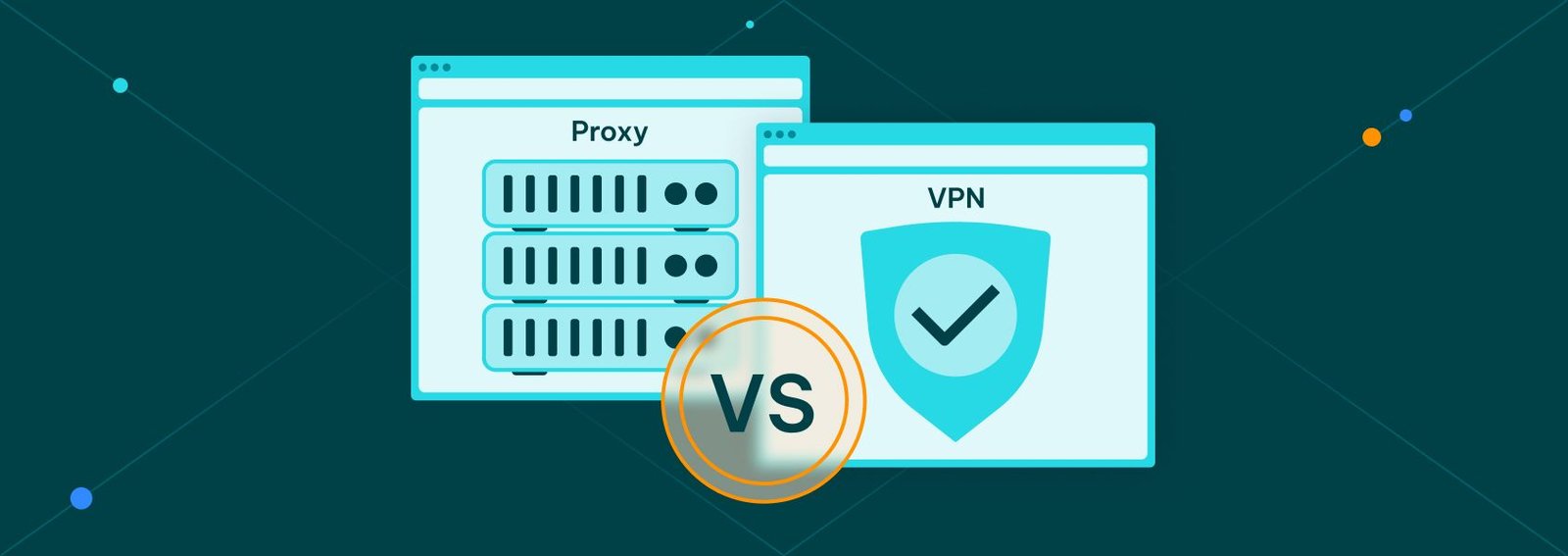
To overcome these barriers, many turn to Virtual Private Networks (VPNs) and proxies. While both can help you access geo-restricted content, they go about it in different ways. In this article, we’ll demystify how VPNs and proxies tackle geo-blocking and help you choose the right tool for your needs.
1 Understanding Geo-blocking
Geo-blocking, also known as geo-restriction, is a practice used by content providers and websites to limit access to their services based on the user’s geographical location. This is often done for various reasons, including licensing agreements, regional regulations, and copyright protection. For instance, streaming platforms may offer different content libraries in different countries due to licensing constraints.
2 VPNs: The Encryption Escape
Virtual Private Networks (VPNs) are versatile tools that combat geo-blocking by adding a layer of security and privacy. Here’s how they work:
- Masking Your Location: When you connect to a VPN server located in another region or country, your IP address is replaced with that of the VPN server. This makes it appear as if you’re accessing the internet from the server’s location.
- Encryption: VPNs encrypt your internet traffic, ensuring that your data remains secure and private during transmission. This encryption also conceals your online activities from potential eavesdroppers.
- Access to Geo-restricted Content: By connecting to a VPN server in a region where the content is not restricted, you can access geo-blocked websites, streaming services, and online platforms. This is because these services perceive your connection as originating from an unrestricted location.
- Complete Privacy: VPNs provide anonymity by hiding your IP address and encrypting your data. This ensures your online activities are not tracked or logged.
3 Proxies: The Location Changers
Proxies, on the other hand, focus primarily on altering your IP address without encryption. Here’s how they tackle geo-blocking:
- IP Address Swap: Proxies act as intermediaries between your device and the internet. When you request content through a proxy server located in an unrestricted region, the server forwards your request, masking your real IP address.
- Geo-spoofing: By using a proxy server in a specific location, you can appear as if you’re browsing from that region. Websites and online services recognize the proxy server’s IP, granting you access to content available in that area.
- Less Security: Unlike VPNs, proxies do not encrypt your internet traffic. This means your data is not protected during transmission, making it less secure.
4 Which is Right for You?
Choosing between a VPN and a proxy for bypassing geo-blocking depends on your priorities:
- Choose a VPN if: You prioritize security and privacy, need access to geo-restricted content while ensuring your data remains encrypted and private, and want to browse the web anonymously.
- Choose a proxy if: Speed is your top priority, you only need to change your IP address to access geo-blocked content, and you don’t require encryption.
In most cases, VPNs are the preferred choice for overcoming geo-blocking because they offer a comprehensive package of security, privacy, and content access. However, if you’re solely concerned with accessing geo-restricted websites and don’t require encryption, a proxy can be a simpler and faster solution.
Ultimately, the choice depends on your specific needs and priorities, so make sure to evaluate them carefully before deciding which tool to employ for your geo-blocking challenges.