When it comes to protecting your online privacy, it’s easy to feel overwhelmed by the options.
VPNs? Proxies? Both claim to offer security and anonymity, but they’re not created equal. I’ve been there—trying to figure out if a proxy was enough or if I needed the extra protection of a VPN. Here’s the good news: once you understand how they work, the choice becomes a lot clearer.
So, let’s break it down in a way that’s easy to follow. By the end of this, you’ll know exactly which one suits your needs—and why.
What Exactly Is a VPN?
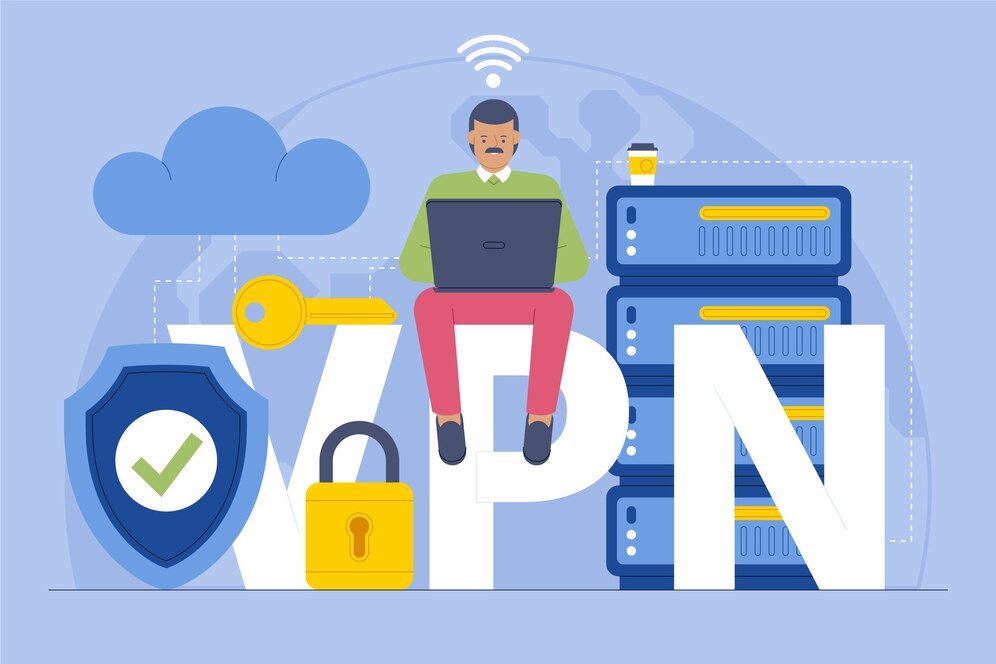
Think of a VPN (Virtual Private Network) as your personal security guard in the digital world. It encrypts everything you do online, reroutes your connection through a secure server, and replaces your real IP address with one from the VPN server.
Why it’s awesome:
- End-to-End Encryption: Your data is scrambled, so hackers and even your Internet Service Provider (ISP) can’t see what you’re up to. If you’re into secure shopping, check out how VPNs protect online transactions.
- IP Masking: This makes you invisible by hiding your real location. Want extra peace of mind? Here’s more on VPNs for anonymous browsing.
- All-Device Security: It protects everything—your browser, apps, and even sneaky background services.
If privacy and security are your top priorities, a VPN is your best friend.
What About Proxies?
A proxy is like a middleman. It routes your internet requests through another server to hide your IP address. Unlike VPNs, though, proxies don’t encrypt your data.
What they’re good for:
- IP Masking: They’re perfect for tasks like bypassing region-locked websites.
- Single App Use: You can set them up for one app or browser.
- Speed: No encryption means less lag.
Proxies are great if you’re after speed or need to access restricted content. However, for serious security, they fall short.
Head-to-Head: VPNs vs. Proxies
Here’s how they compare:
| Feature | VPN | Proxy |
|---|---|---|
| Encryption | Encrypts everything—browsing, apps, and more | No encryption, so your data stays vulnerable |
| IP Masking | Hides IP across all devices | Hides IP only for specific apps |
| Security | Protects against hackers, trackers, and ISP snooping | Minimal; not designed for serious security |
| Speed | Slightly slower due to encryption | Faster, but at the cost of safety |
| Ease of Use | Simple setup; works for everything | Requires manual setup for each app |
| Cost | Subscription-based; offers value with features | Often free, but limited functionality |
For a more in-depth comparison, check out this beginner’s guide to VPNs and proxies.
The Pros and Cons of Each
VPN Pros:
- Full data encryption protects all online activities.
- Shields you from hackers, trackers, and ISP monitoring.
- Perfect for streaming, secure remote work, and safe shopping.
VPN Cons:
- Slightly slower speeds due to encryption.
- Subscription fees for premium options.
Proxy Pros:
- Fast for lightweight tasks like bypassing restrictions.
- Often free or low-cost.
- Works well for single-use scenarios like browser-based activities.
Proxy Cons:
- No encryption, leaving your data exposed.
- Limited to specific apps, which can be frustrating.
Which One Should You Use?
If you’re looking for robust security and privacy, VPNs win hands down. They encrypt your connection, hide your activity from prying eyes, and keep your data safe—even on public Wi-Fi. Curious how that works? Dive deeper into VPNs for public Wi-Fi security.
Proxies, on the other hand, are perfect for quick, simple tasks where security isn’t a concern. Need to watch a geo-restricted video or bypass a basic block? A proxy can handle it. But don’t expect it to safeguard sensitive information.
For example, if you’re doing something like banking or shopping online, a VPN is a no-brainer. Learn more about the importance of VPNs for safe online banking.
Real-Life Examples
- When to Use a VPN:
You’re working remotely and need a secure connection to access your company’s files. A VPN encrypts everything, ensuring no one can intercept your data. Here’s how VPNs enhance remote work security. - When to Use a Proxy:
You’re streaming a region-locked show on a single device. A proxy can quickly reroute your request to bypass the restriction. But don’t rely on it for anything sensitive.
Wrapping It Up
When it comes to online security, not all tools are created equal. VPNs and proxies each have their place, but their purposes are vastly different. If you value privacy, security, and versatility, a VPN is your best bet. For light browsing or speed-sensitive tasks, proxies can do the job.
In my experience, investing in a quality VPN has been worth every penny. It’s not just about hiding your IP—it’s about knowing your online activities are safe.
Ready to make a choice? Learn more about how to choose the right tool for secure browsing and take the next step toward safer, smarter internet use.