
So, funny story, back in 2020, I used a free proxy to access a geo-blocked YouTube video.
Thought I was a genius. Felt like a hacker. Fast forward three days… my inbox got flooded with spam, and I realized something was off. Turns out, that proxy didn’t encrypt anything. It just bounced my IP like a tennis ball. My data? Totally exposed.
That was my wake-up call and the moment I decided to learn the real difference between VPNs and proxies, especially when it comes to data encryption. Spoiler: they are not the same thing.
If you’re reading this wondering which one protects your data better, I’ve got you. Here’s the no-fluff, real-world comparison of VPNs vs proxies and how they stack up when it comes to keeping your info secure.
First Things First: What Do They Actually Do?
-
A proxy acts like a middleman. It routes your internet requests through another server so the website you visit sees the proxy’s IP instead of yours.
-
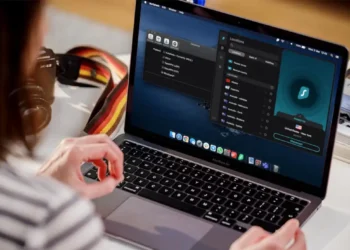
A VPN (Virtual Private Network) creates an encrypted tunnel between your device and the internet, hiding your IP and scrambling your data so no one — not even your ISP — can snoop.
They both hide your IP, sure. But only one actually protects your data from end to end.
Encryption: The Big Deal Breaker
Let me break this down like I wish someone had for me.
-
Proxies = No encryption
When you use a proxy, your IP is masked, but your traffic is still in plain text. Meaning? Your ISP, hackers on public Wi-Fi, and even the proxy owner can see everything. I’m talking login credentials, credit card numbers, browsing history. It’s like changing your address on the envelope but leaving the letter wide open. -
VPNs = Full encryption
With a VPN, your data is encrypted before it even leaves your device. Most VPNs use military-grade protocols like AES-256 and OpenVPN. Translation: even if someone intercepts your traffic, it’ll look like a jumbled mess.
I tested this once on a public airport network (don’t ask). With a VPN? Everything was invisible. Without it? I could literally sniff out my own DNS requests using a free tool. Wild.
Performance: Speed vs Security Trade-offs
Now, to be fair, proxies usually feel faster — especially HTTP proxies — because they don’t waste time encrypting stuff. Great if all you’re doing is streaming a blocked show.
But if you’re checking bank statements or handling business emails? You want that encryption.
VPNs can slow things down a bit, especially if you’re using a free one or connecting to a server halfway across the world. But premium VPNs like NordVPN or ExpressVPN? They’re optimized now. I can stream 4K and run Zoom calls while fully encrypted, no problem.
Use Cases: When You’d Use One Over the Other
Let’s get real:
Use a proxy if:
-
You just need to bypass geo-blocks (watch Netflix US from the UK).
-
You don’t care about security — just IP masking.
-
You’re okay with occasional sketchy behavior (many proxies aren’t transparent).
Use a VPN if:
-
You handle sensitive data (business, client files, transactions).
-
You’re traveling or working on public Wi-Fi.
-
You care about your online privacy and don’t want your ISP tracking you.
-
You want full data encryption, not just IP spoofing.
Honestly, most of us fall into the second camp. Even as a freelancer or blogger, I’m constantly dealing with passwords, payment processors, and client portals. A proxy just won’t cut it.
Free Tools? Proceed with Caution
I’ve tried free proxies and free VPNs. Here’s my verdict: you get what you pay for.
Free proxies often log your activity. Some even inject ads or steal data. And free VPNs? They’re usually capped on speed, log your data (ironic, right?), and don’t offer reliable encryption.
If you’re serious about privacy, spring for a real VPN. Even the good ones cost less than $5/month. That’s cheaper than one coffee and protects your whole digital life.
Final Word: Privacy Is More Than Just Hiding Your IP
A lot of people confuse privacy with anonymity. Hiding your IP is one thing. But if your data’s just floating around unencrypted? You’re still vulnerable.
Proxies are like a fake ID at a club. VPNs are like a full security detail with bulletproof glass.
I still use proxies occasionally, for quick region switches or scraping harmless data. But when it comes to anything that matters? VPN all day, every day.
If you’re weighing your options and thinking “Can’t I just use both?” — yes, technically you can. But unless you really know what you’re doing, it’s overkill. Just pick a solid VPN and call it a day.