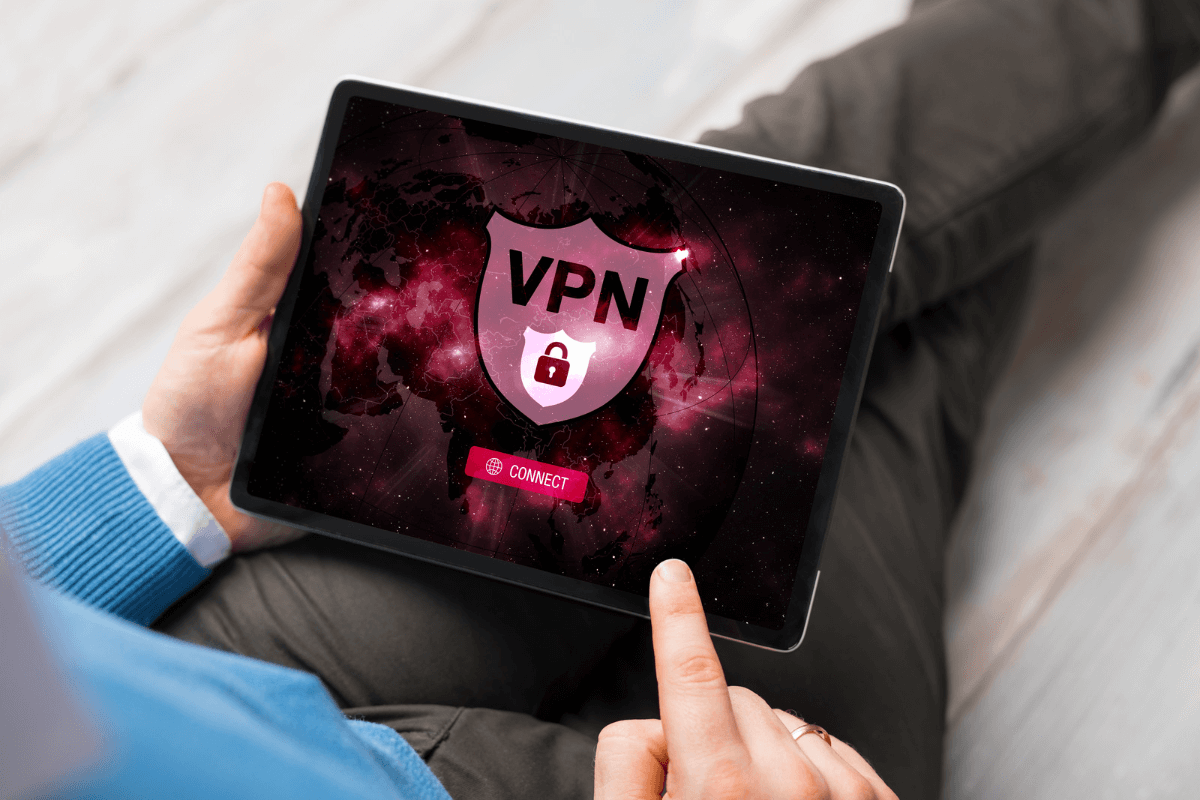
Protecting personal information is more crucial than ever, and Virtual Private Networks (VPNs) serve as a vital tool in safeguarding online privacy.
VPNs encrypt internet traffic and create a secure tunnel between a user’s device and the internet, effectively shielding personal data from cyber threats such as hackers and data breaches. They also mask users’ IP addresses, providing anonymity and protecting sensitive information from being tracked by internet service providers and other prying eyes.
With rising concerns over digital privacy, the importance of using a robust VPN that offers strong encryption, a strict no-logs policy, and additional security features cannot be overstated. As technology evolves and cyber threats become more sophisticated, the role of VPNs in personal data protection continues to grow, making them an indispensable asset for both individuals and businesses aiming to maintain privacy in an interconnected world.
How VPNs Enhance Online Privacy and Security?
1 Encryption and Anonymity
VPNs protect personal data by encrypting internet traffic, which scrambles data in such a way that it can only be deciphered by your intended recipient. This process effectively shields sensitive information from cybercriminals and other malicious entities looking to exploit unsecured data transmissions. Additionally, VPNs conceal your IP address, which is your unique identifier on the internet. By replacing your actual IP address with one from the VPN server, your online activities become untraceable to you personally, enhancing your privacy across the web.
2 Protection Against Cyber Threats
VPNs are instrumental in defending against various cyber threats such as data breaches and identity theft. By encrypting your connection, VPNs make it exceedingly difficult for hackers to intercept or decipher your personal data. Whether you are accessing your bank details, sending confidential emails, or simply browsing the internet, a VPN acts as your first line of defense against potential cyber-attacks.
Essential VPN Features for Optimal Protection
- Strong Encryption Protocols: Top VPN providers like ExpressVPN and NordVPN utilize advanced encryption standards, such as AES-256, which is the gold standard for data encryption. This level of security ensures that even if data is intercepted, it remains undecipherable.
- No-Logs Policy: A credible VPN service adheres to a strict no-logs policy, meaning it does not track or store information about your internet activities. This policy is crucial for ensuring that even the VPN providers cannot access your personal information, offering an additional layer of privacy.
- Kill Switch and Leak Protection: A VPN kill switch automatically disconnects your device from the internet if the VPN connection fails, preventing data leakage. Similarly, DNS and IP leak protections are vital to ensure that your real IP address and browsing activities are not accidentally exposed due to flaws in the VPN software.
Choosing the Right VPN
When selecting a VPN, consider factors like pricing, server network, speed, and the privacy policies of the provider. A robust server network allows for better speed and reliability, while user-friendly privacy policies ensure that your data is handled securely. It is essential to choose VPNs that balance performance with security features, such as Surfshark and CyberGhost, which offer both competitive pricing and strong privacy protections.
Conclusion: The Necessity of VPNs in the Digital Age
With the increasing sophistication of cyber threats and the ongoing erosion of digital privacy, VPNs have become indispensable in the arsenal of tools used to protect personal information. By encrypting data and masking your digital footprint, VPNs allow you to navigate the internet securely and anonymously. In a world where online activities are closely scrutinized and potentially exploited, investing in a reliable VPN service is not just a luxury but a necessity for safeguarding your personal information against the evolving landscape of cyber threats.