


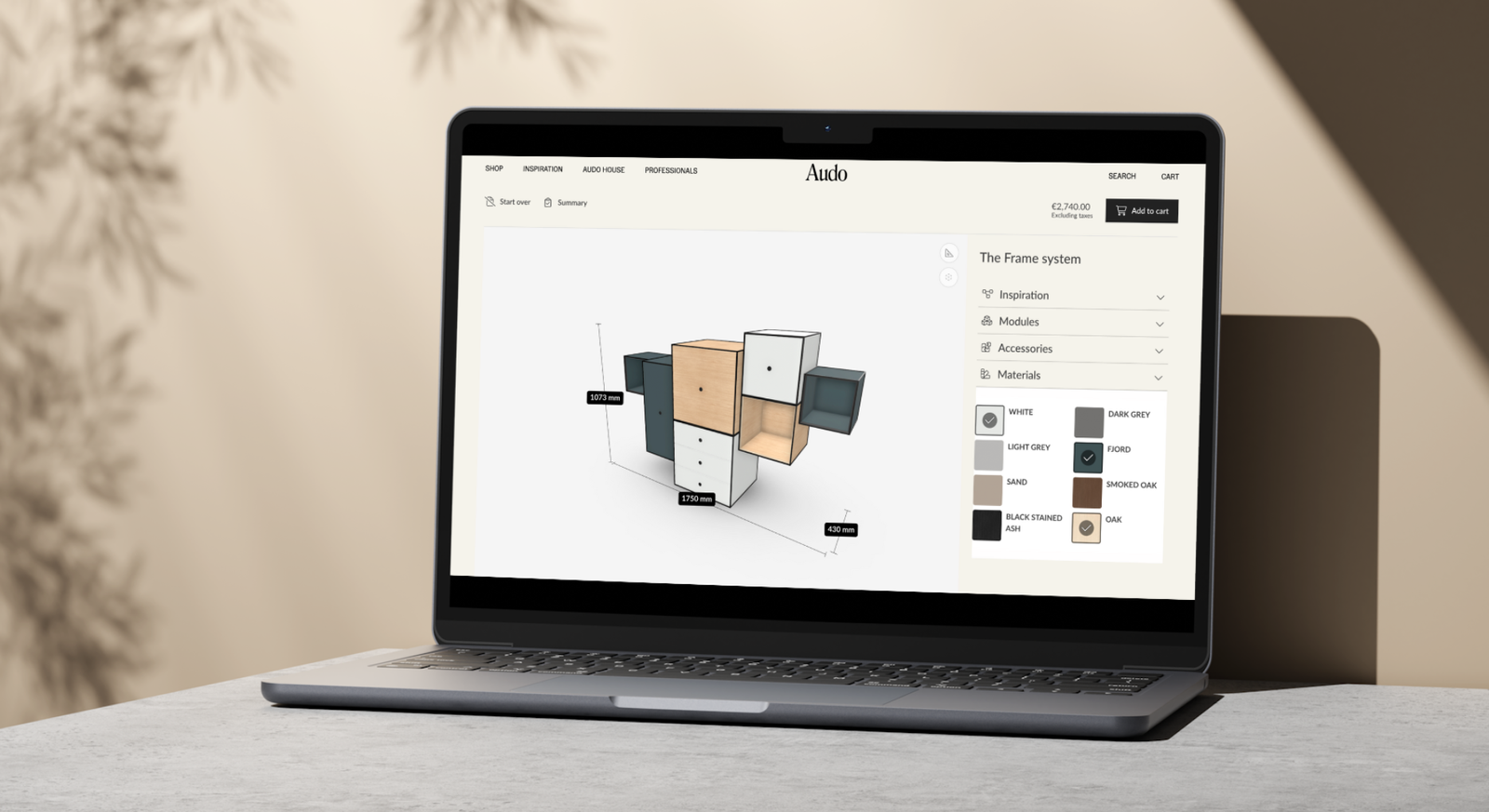
A few years ago, I bought a chair online. Looked amazing in the photos. Sleek, modern, all that Pinterest aesthetic.
But when it showed up? It was massive. Like, cartoonishly large. Didn’t fit the room, didn’t match the vibe, and returning it was a nightmare.
That was the moment I realized how much e-commerce needed augmented reality (AR).
Fast forward to 2025, and AR tools have become the not-so-secret weapon for online stores. Whether you’re selling furniture, makeup, shoes, or even glasses — customers want to see it, try it, feel it (virtually) before they buy. AR bridges that gap between imagination and reality.
And the best part? You don’t need to be Amazon or IKEA to get in on it. There are tools now that are affordable, user-friendly, and made for small-to-mid-sized e-commerce brands.
So, here’s a breakdown of the best AR tools and software for e-commerce that I’ve seen (and in some cases, actually used) in 2025.
1. Shopify AR
If you’re already using Shopify, you’ve got a head start. Shopify AR lets you embed 3D models of your products directly into your store.
-
Pros: Native integration, no coding needed, works with mobile browsers.
-
Cons: Requires 3D models (which may need outsourcing).
-
Best for: Furniture, home decor, or anything large-scale that customers want to “place” in their room.
A friend of mine used it for her handmade ceramics shop. Her sales jumped after adding AR views — customers could “see” the bowl on their kitchen counters. Game changer.
2. Zakeke
This one’s awesome for product customization. Think T-shirts, mugs, shoes, bags — you name it. Customers can design their product and preview it in 3D or AR.
-
Pros: Live product personalization + AR, integrates with WooCommerce, Shopify, etc.
-
Cons: Slight learning curve for setup.
-
Best for: Print-on-demand, fashion, and personalized products.
3. Vuforia
Now we’re getting a little more advanced. Vuforia is a powerhouse in industrial AR, but it’s got features e-commerce brands can tap into — especially for unique or highly interactive experiences.
-
Pros: Advanced tracking, object recognition, high-quality overlays.
-
Cons: More technical, you’ll likely need a dev or agency.
-
Best for: Brands doing AR product demos or looking to “wow” with immersive storytelling.
4. Augment
Augment lets customers visualize products in real environments — think 3D models that appear right in your living room via your phone.
-
Pros: Mobile-friendly, real-time rendering, no app needed.
-
Cons: Requires quality 3D assets.
-
Best for: Furniture, appliances, or any product with size/space considerations.
One client of mine in the fitness equipment niche used Augment to show how their machines fit in a home gym setup. It cut down refund requests drastically.
5. Threekit
I love this one for complex SKUs. Threekit combines AR, 3D, and virtual photography. You can show every color, angle, and combo of your product — all rendered live.
-
Pros: Visual configurators + AR, great for B2B or customizable products.
-
Cons: Enterprise-level pricing.
-
Best for: High-ticket items, configurable products, and product catalogs with variations.
6. Banuba Face AR
This one’s fun. It’s built specifically for virtual try-ons — makeup, glasses, hats, masks, even jewelry. I’ve tested it for a client’s skincare line and the lipstick try-on blew me away.
-
Pros: Face-tracking tech is insanely accurate. Mobile-ready.
-
Cons: Best suited for beauty/fashion brands.
-
Best for: Cosmetics, eyewear, beauty products.
7. ROAR AR
ROAR is great for smaller businesses. You can create AR product showcases without writing a single line of code.
-
Pros: No-code builder, easy to publish AR experiences via QR codes or links.
-
Cons: Less robust than enterprise platforms.
-
Best for: E-commerce brands just dipping into AR for the first time.
8. BlippAR
BlippAR’s been around a while, and it’s still a strong option — especially for creative product storytelling. You can build interactive product demos, tutorials, or branded AR games.
-
Pros: Great for brand awareness and engagement.
-
Cons: Requires planning and creative assets.
-
Best for: Consumer goods, toys, CPG brands.
9. Sayduck
This one’s focused on 3D and AR product visualization — clean, lightweight, and optimized for mobile.
-
Pros: 3D model viewer + AR, smooth integration with e-commerce platforms.
-
Cons: Limited creative features beyond product view.
-
Best for: Home goods, electronics, lifestyle brands.
10. Adobe Aero
Okay, this one’s for the creators and designers. Adobe Aero lets you build AR scenes from scratch. It’s more design-focused than e-commerce-centric — but if you’ve got a creative team, you can build some wild experiences here.
-
Pros: Deep creative control, great for storytelling and brand immersion.
-
Cons: Not plug-and-play; needs design and motion skills.
-
Best for: Experiential e-commerce, high-concept campaigns, or product launches.
Final Thought
AR used to be this futuristic, out-of-reach tech that only big brands could afford. But not anymore. In 2025, it’s accessible — even for bootstrapped online stores.
The tools are here. Customers want the experience. The only thing standing between you and better engagement, fewer returns, and higher conversions… is action.
Start small. Pick one product. Add AR. Watch what happens. I promise — once your customers can “see it” before they buy it, they’ll be more likely to actually click that checkout button.