Email marketing automation continues to advance, giving businesses powerful tools to engage audiences, nurture leads, and increase sales.
To stay ahead in 2025, adopting updated strategies is essential for optimizing campaigns, improving engagement, and driving better results.
Success in email marketing automation for 2025 lies in embracing personalization, leveraging AI, adopting multi-channel strategies, and ensuring compliance with privacy regulations.
1. Personalization and Segmentation Are Essential
In 2025, consumers demand tailored email content. Generic, one-size-fits-all campaigns no longer resonate. Personalization and segmentation create more meaningful connections with your audience.
Best Practices:
- Segment your audience based on demographics, behaviors, or purchase history.
- Use dynamic content to personalize emails with names, locations, or product recommendations.
- Apply advanced segmentation techniques like RFM analysis to identify and target high-value customers.
2. Leverage AI and Machine Learning for Better Insights
AI and machine learning have transformed email marketing by enabling precise customer behavior predictions and campaign optimization.
Best Practices:
- Use AI to predict customer actions like purchases or churn.
- Implement predictive send times to improve open rates.
- Optimize subject lines, email content, and product recommendations using AI tools.
3. Adopt Multi-Channel Automation
Email marketing works best as part of an integrated strategy that includes SMS, social media, and push notifications. This approach creates a seamless customer experience.
Best Practices:
- Build workflows that trigger messages across platforms based on user behavior, such as an abandoned cart email followed by an SMS reminder.
- Ensure messaging and branding are consistent across all channels.
- Use customer journey mapping to create engaging and cohesive touchpoints.
4. Prioritize Mobile Optimization
With most emails now opened on mobile devices, mobile-friendly design is non-negotiable.
Best Practices:
- Use responsive email templates that adapt to different screen sizes.
- Keep subject lines concise for better readability on mobile.
- Test emails on various devices to ensure a consistent experience.
5. Ensure Compliance with Privacy Regulations
With stricter laws like GDPR and CCPA, compliance with data privacy regulations is critical. Respecting privacy builds trust and fosters lasting relationships.
Best Practices:
- Choose platforms with built-in compliance tools, like consent management.
- Regularly clean your email list to remove inactive subscribers.
- Offer clear opt-in and opt-out options to maintain transparency.
6. Continuously Test and Optimize Campaigns
Consistent testing and optimization are crucial for maximizing email marketing success.
Best Practices:
- Conduct A/B testing on subject lines, designs, send times, and CTAs.
- Track key metrics such as open rates, click-through rates, and conversions.
- Use insights to refine and improve your email strategies.
7. Incorporate Interactive Elements
Interactive emails encourage engagement, increasing click-through rates and customer interaction.
Best Practices:
- Add polls, quizzes, and clickable buttons to emails.
- Use AMP for Email to include real-time updates like countdowns or live inventory displays.
- Ensure interactive elements are mobile-friendly and easy to use.
8. Use Behavioral Triggers for Timely Messages
Behavioral triggers allow you to send highly relevant emails based on user actions or inactions.
Best Practices:
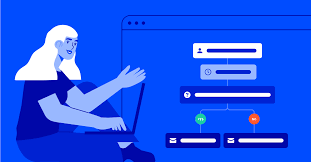
- Set up workflows for triggers like welcome emails, abandoned cart reminders, or re-engagement campaigns.
- Personalize these emails with recommendations based on user activity.
- Regularly review and update automated workflows for better performance.
9. Align Strategies with the Customer Lifecycle
Tailoring emails to specific stages of the customer journey improves relevance and impact.
Best Practices:
- Identify key lifecycle stages such as onboarding, engagement, and retention.
- Customize email content to address customer needs at each stage.
- Use lifecycle-based automation to nurture relationships over time.
10. Focus on Deliverability and List Hygiene
Even the best emails are ineffective if they don’t reach the inbox. Prioritize deliverability to maintain strong performance.
Best Practices:
- Monitor your sender reputation and authenticate your domain.
- Clean your list by removing hard bounces and inactive subscribers.
- Use double opt-in to ensure recipients genuinely want your emails.
Conclusion
Email marketing automation in 2025 revolves around personalization, AI-driven optimization, multi-channel integration, and compliance. By following these best practices, you can craft impactful campaigns that engage your audience, boost results, and keep your brand competitive.
Start implementing these strategies today to elevate your email marketing game and secure long-term success.