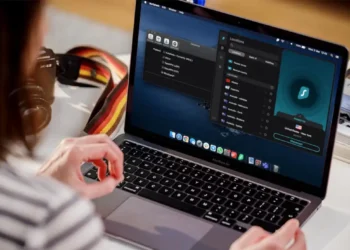
Picture this: you’re enjoying your favorite coffee shop’s free Wi-Fi, catching up on emails or browsing the web.
Everything seems fine—until it’s not. In just seconds, a hacker on the same network could inject malicious software into your device. Scary, right?
That’s where a Virtual Private Network (VPN) comes to the rescue. A VPN doesn’t just protect your online privacy; it’s also a powerful weapon against malware. Let’s break down how a VPN shields you from cyber threats and why it’s a must-have for anyone navigating the digital world.
What’s the Deal with Malware?
Malware is the digital equivalent of a ticking time bomb. It comes in many forms—viruses, spyware, ransomware, you name it. Hackers use malware to steal sensitive information, drain your bank account, or even lock you out of your own devices.
These attacks can happen anywhere, but public Wi-Fi networks are especially risky. Imagine a hacker lurking on the same network, waiting to exploit your unprotected connection. Now imagine you’ve got a VPN—a shield that makes this nearly impossible.
How Does a VPN Defend Against Malware?
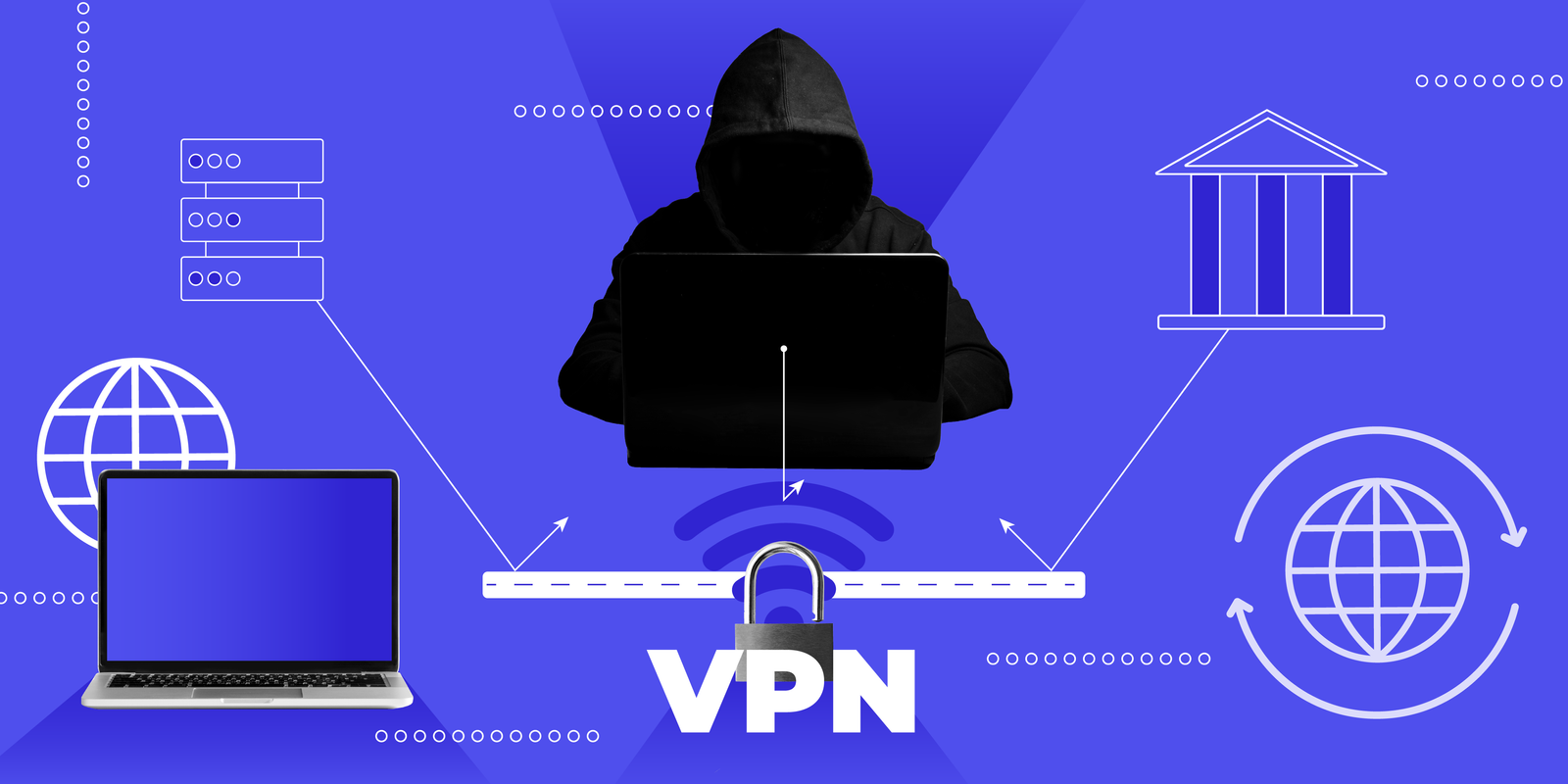
A VPN is like a fortress for your internet connection, locking out would-be attackers. Here’s how it works:
1. Encryption Is Everything
The biggest strength of a VPN is encryption. It scrambles your internet traffic so even if a hacker intercepts it, they can’t read it. This is crucial on unsecured networks like public Wi-Fi. Even if someone tries to sneak malware into your data stream, the encryption renders their efforts useless. It’s like sending your messages in a language only you and the recipient can understand.
2. Built-In Malware Protection
Some VPNs come with extra perks like firewalls and malware scanning. These features actively block malicious software from infiltrating your device. Think of it as having a virtual bodyguard that says, “Not today, hacker!” For those who want to go the extra mile, these enhanced security VPNs are worth exploring.
3. Anonymous Browsing
Did you know that your IP address can make you a target? Hackers often use it to track your online activities and launch targeted attacks. A VPN hides your IP address, making it much harder for them to pinpoint your digital footprint. This extra layer of anonymity can also protect your personal information from cyber threats.
But Wait—A VPN Isn’t a Magic Wand
While a VPN is a fantastic tool, it’s not a cure-all. To create a truly secure digital environment, pair your VPN with antivirus software, regular system updates, and safe browsing practices. For instance, combining a VPN with strategies to prevent phishing attacks can give you comprehensive protection against cyber threats.
Maximize Your VPN’s Effectiveness
Using a VPN is only half the battle. To get the most out of it, keep your VPN software updated. Providers are constantly enhancing their tools to fend off new threats, so don’t skip those updates! And let’s not forget the basics: steer clear of sketchy websites and downloads. Want more tips? Check out this guide to secure browsing with VPNs.
Why You Need a VPN in Today’s Digital World?
The internet is an incredible place, but it’s not without its risks. VPNs are like the digital armor you need to navigate this wild landscape. They encrypt your data, keep hackers at bay, and add layers of security that make malware attacks far less likely.
So, whether you’re working remotely, streaming your favorite shows, or just scrolling through social media, a VPN is your best defense. Ready to take control of your online safety? Start with a VPN that fits your needs and take a big step toward securing your digital life.
You’ve got this. Stay safe out there!