
Have you ever sent out an email campaign and wondered, What if I’d used a different subject line? Would more people have clicked? You’re not alone.
Email marketing can feel like a guessing game sometimes, but A/B testing changes all that. A few years ago, I was in the same boat—crafting emails based on gut feelings instead of data. One day, after a particularly underwhelming campaign, I decided to give A/B testing a shot. The results? Eye-opening. Small tweaks I never thought mattered, like button colors or email timing, made a massive difference.
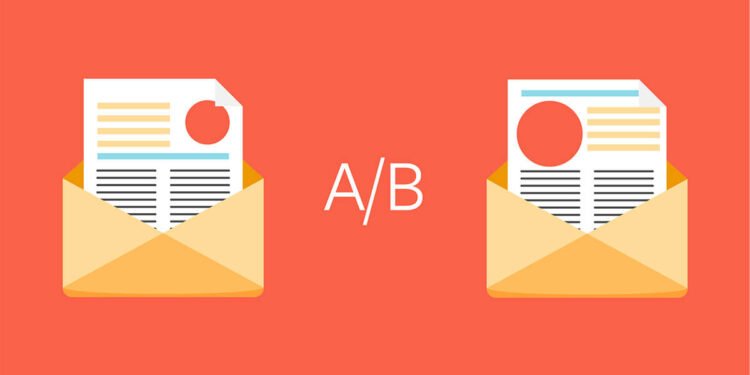
Key Takeaway: A/B testing is like having a cheat sheet for email marketing. It helps you figure out exactly what works (and what doesn’t) so you can send campaigns that truly resonate with your audience. Let’s break it down.
1 What Is A/B Testing?
A/B testing, also known as split testing, is a method of comparing two versions of an email to see which one performs better.
How it works:
- Create two versions of an email.
- Change one element, such as the subject line, CTA, or image.
- Send each version to a small, random segment of your audience.
- Analyze the results and send the winning version to the rest of your list.
Why it’s awesome: Instead of guessing what works, you’re using real data to make decisions.
2 Why A/B Testing Matters
Here’s the thing: what you think will work and what actually works aren’t always the same.
Example from My Experience:
I once assumed that a longer subject line would grab attention. After testing it against a shorter, snappier one, the shorter version had a 15% higher open rate. Lesson learned: my gut wasn’t always right.
Benefits of A/B Testing:
- Boosts open and click-through rates.
- Helps you understand your audience’s preferences.
- Maximizes ROI by refining your strategy.
3 What Elements Should You Test?
Not sure where to start? Here are the top elements to test in your email campaigns:
1. Subject Lines
Your subject line is the first thing people see, so it’s a great place to start.
Examples to Test:
- “Don’t Miss Our Sale” vs. “Flash Sale Ends Tonight”
- Including an emoji 🌟 vs. no emoji
- Personalization: “Hi [Name], Check This Out!”
Pro Tip: Subject lines with personalization often perform better, but testing can confirm what resonates with your audience.
4 Call-to-Action (CTA) Buttons
Your CTA button is where the magic happens, so test everything from text to design.
Examples to Test:
- “Shop Now” vs. “Grab Your Deal”
- Green button vs. orange button
- Top placement vs. bottom placement in the email
Real-Life Insight: A simple change from “Learn More” to “Start Saving” increased my click-through rates by 20%.
5 Images vs. No Images
Visuals can grab attention, but they’re not always necessary.
Examples to Test:
- An email with a product image vs. one with just text.
- Static image vs. GIF.
- Bright, colorful imagery vs. muted tones.
Pro Tip: Some audiences respond better to plain-text emails, so it’s worth testing.
6 Email Content Length
Does your audience prefer quick, snappy emails or longer, detailed ones?
Examples to Test:
- Short email with a single CTA vs. a longer email with multiple CTAs.
- Story-driven email vs. bullet points.
What I Learned: A short, focused email with one clear CTA worked best for my time-crunched audience.
7 Send Time and Day
When you send your email can be just as important as what’s in it.
Examples to Test:
- Morning vs. afternoon sends.
- Weekday vs. weekend.
- Testing specific times, like 10 AM vs. 2 PM.
Why it matters: Sending at the right time can drastically improve open rates.
8 How to Run a Successful A/B Test
A/B testing sounds simple, but to get reliable results, you need a solid plan.
Step 1: Choose One Variable to Test
Focus on one element at a time—whether it’s the subject line, CTA, or send time.
Why: Testing multiple variables at once makes it impossible to know which change caused the result.
Step 2: Split Your Audience Randomly
Divide your email list into two groups that are similar in size and demographics. Most email platforms, like Mailchimp or Klaviyo, can do this automatically.
Why: Random sampling ensures your results are unbiased.
Step 3: Test with a Small Segment First
Instead of testing with your entire list, start with a small segment. Send the winning version to the remaining audience.
Why: This approach minimizes risk while maximizing impact.
Step 4: Use a Large Enough Sample Size
If your test audience is too small, the results won’t be statistically significant.
Pro Tip: Use an online sample size calculator to determine the right number for your test.
Step 5: Analyze the Results
After the test, look at the key metrics:
- Open rate: How many people opened your email.
- Click-through rate (CTR): How many people clicked on your CTA.
- Conversions: How many people completed the desired action, like making a purchase.
Why it matters: Understanding the “why” behind the results helps you refine future campaigns.
9 Common A/B Testing Mistakes to Avoid
I’ll admit, I’ve made my fair share of mistakes with A/B testing. Here are a few to watch out for:
- Testing Too Many Variables at Once: Stick to one change per test.
- Ending the Test Too Soon: Let your test run long enough to gather meaningful data.
- Ignoring Metrics Beyond Open Rates: Click-throughs and conversions tell a fuller story.
- Not Acting on Results: Testing is pointless if you don’t apply what you’ve learned.
10 Tools to Help You Get Started
Most email marketing platforms have built-in A/B testing tools. Here are a few popular ones:
- Mailchimp: Great for beginners with easy-to-use testing options.
- Klaviyo: Perfect for e-commerce businesses looking to test advanced workflows.
- ActiveCampaign: Offers robust automation and testing capabilities.
- HubSpot: Ideal for large businesses with more complex needs.
Conclusion: Stop Guessing, Start Testing
A/B testing isn’t just a “nice-to-have” in email marketing—it’s essential. It takes the guesswork out of your campaigns and helps you deliver what your audience actually wants.
Remember, even small changes—like a different button color or subject line—can lead to big results. Start with one variable, test it, and apply what you learn. Over time, these incremental improvements will add up to a stronger, more effective email marketing strategy.
So, what are you waiting for? Pick your first variable, set up a test, and let the data guide your way to better engagement and conversions. You’ve got this!