Web scraping, the art of extracting data from websites, has become a must-have tool for anyone looking to gather insights, monitor trends, or analyze markets.
Whether you’re researching competitors, aggregating content, or feeding data into machine learning models, the right tools can make all the difference. But here’s the big question: Should you go with a VPN or a proxy for your scraping adventures?
Let’s break it down in a way that’s easy, engaging, and (hopefully) fun.
What Is Web Scraping Anyway?
Imagine being able to gather information from a website—prices, reviews, product details—without manually copying and pasting every detail. That’s web scraping in action. It’s a clever way to automate data collection, often used by businesses, researchers, and tech enthusiasts.
But here’s the catch: Websites don’t always love it. They might block your IP, challenge you with CAPTCHAs, or restrict access based on location. That’s where VPNs and proxies come into play—they’re your secret weapons for staying anonymous and avoiding detection.
Why Use a VPN for Web Scraping?
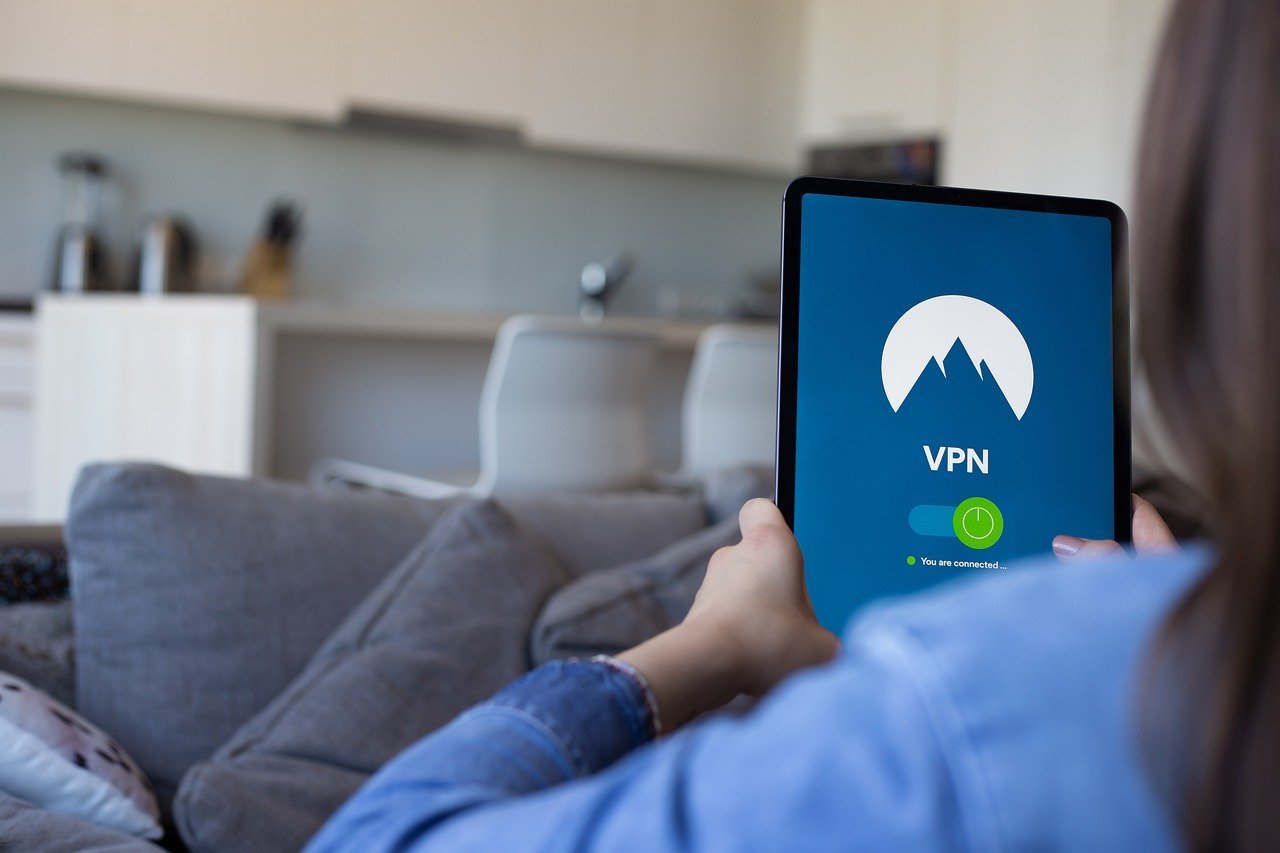
A VPN (Virtual Private Network) is like a digital invisibility cloak. It masks your IP address, encrypts your traffic, and lets you choose your online “location.” Here’s why a VPN could be your best friend for web scraping:
- Stay Anonymous: A VPN hides your real IP, making it harder for websites to detect and block your scraping. Check out how VPNs enhance online security.
- Access Geo-Restricted Content: Need data from a website available only in a certain country? A VPN lets you hop locations like a digital jet-setter. Learn more about VPNs and geo-blocking.
- Secure Your Traffic: Web scraping often involves sensitive activities. With encryption, VPNs keep your data private and safe.
- Stable and Reliable Connections: Top-tier VPNs provide high-speed, reliable servers that won’t let you down in the middle of a scrape.
Why Consider Proxies for Web Scraping?
Proxies, on the other hand, are like a middleman for your internet connection. Instead of going directly to a website, your requests go through a proxy server, making it appear as though the requests are coming from the proxy’s IP address. Here’s what they bring to the table:
- Rotate IPs with Ease: Need to scrape large datasets without raising flags? Proxies let you switch IP addresses seamlessly.
- Cost-Effective Options: Proxies can be more budget-friendly than VPNs, especially if you need lots of IP addresses. Curious about the cost-effectiveness of these tools? Check out VPN vs Proxy for budget users.
- Focused Functionality: Many proxies are browser-based, making them ideal for simpler scraping tasks.
- Dedicated IPs: Some proxy providers offer dedicated IP addresses, giving you consistency when needed.
Which One Should You Choose?
Now for the million-dollar question: VPN or proxy? Here’s the deal:
- Go for a VPN if…
- You need to scrape multiple websites or access geo-restricted data.
- Security and anonymity are top priorities.
- You want a robust, all-in-one solution for scraping and beyond.
- Opt for a Proxy if…
- Your scraping project is small-scale or focuses on a single site.
- You need frequent IP rotations.
- You’re looking for a cost-effective way to gather data.
Still undecided? Get a closer look at the differences between VPNs and proxies to make an informed choice.
Scraping Smarter: Overcoming Challenges
Even with VPNs or proxies, scraping isn’t always smooth sailing. Websites often deploy countermeasures like CAPTCHAs or IP bans. Here’s how to step up your game:
- Rotate user agents to make your requests look more human.
- Use delays between requests to avoid overwhelming servers.
- Combine VPNs or proxies with tools like scraping frameworks for best results.
For deeper insights, explore our guide on comparing VPNs and proxies for secure browsing.
Final Thoughts
Whether you’re scraping for fun, business, or research, choosing the right tool—VPN or proxy—makes all the difference. Both have their strengths, and your choice depends on your needs. Want anonymity and access to global content? A VPN is your go-to. Need frequent IP changes on a budget? A proxy has you covered.
Start small, experiment, and always scrape responsibly (and legally). After all, with the right tools and strategies, the web is your oyster! Happy scraping!