
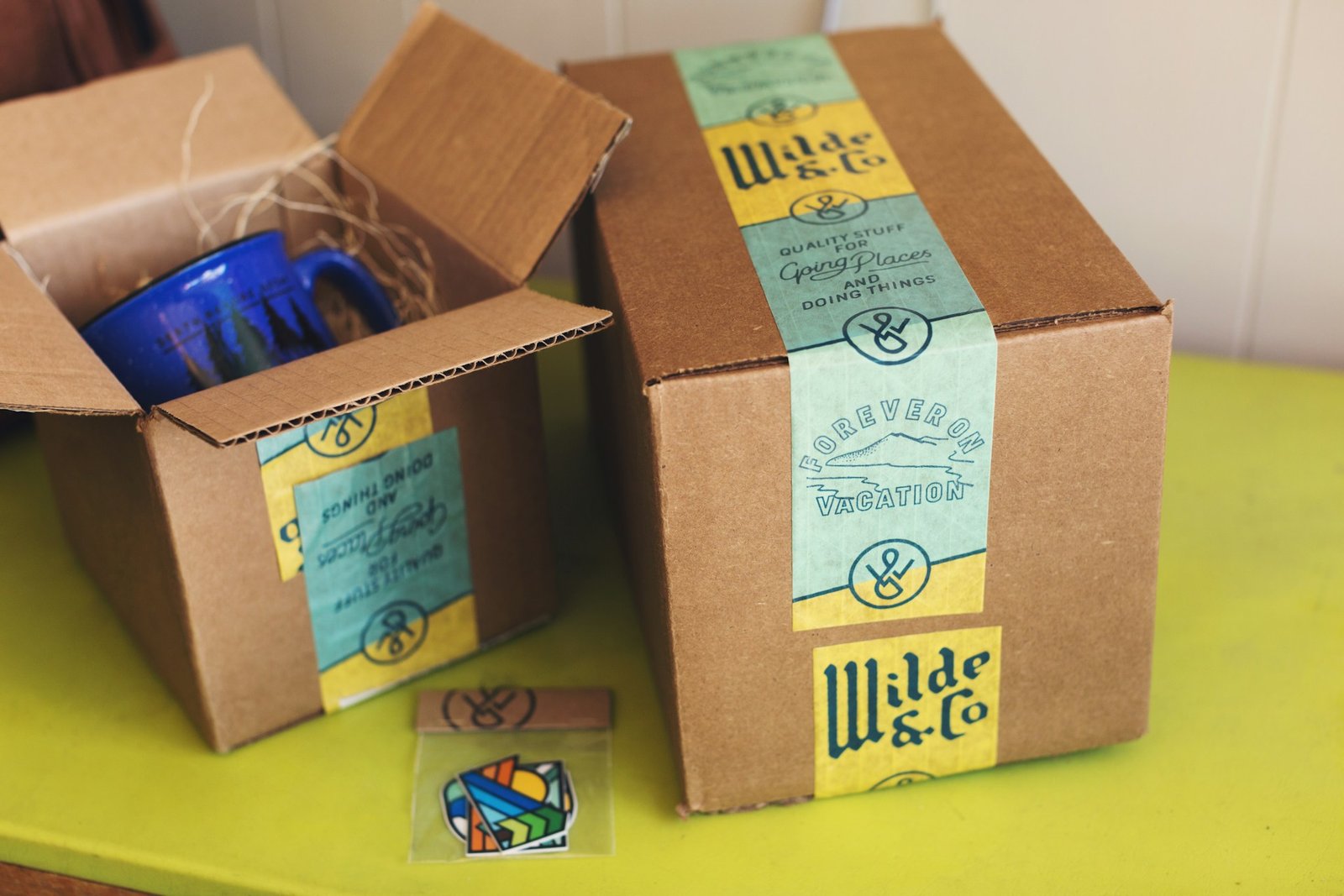
Subscription boxes are a service where customers pay to receive regular deliveries of products.
These boxes can be themed around different interests, such as beauty, food, or hobbies, and often contain a surprise selection of items.
The core idea is to provide customers with a convenient way to discover new products or enjoy something they already love.
For instance, curated collections like beauty boxes might introduce subscribers to new skincare products, while food boxes could offer gourmet treats from around the world. Explore examples of niche offerings in 4 types of subscription boxes tailored for women for more inspiration.
How Do Subscription Box Business Models Work?
The subscription box business model involves several key components that ensure its smooth operation and success:
Customer Experience:
- Sign-Up: Customers sign up for the subscription service through a digital platform, providing their personal and payment information.
- Customization: Depending on the service, customers might complete profiles or surveys to customize the subscription to their preferences.
- Recurring Delivery: Products or services are delivered on a regular schedule, eliminating the need for customers to reorder each time.
- Customer Service: Ongoing support handles issues like payment failures, product concerns, or subscription changes.
Operational Aspects:
- Inventory Management: Businesses forecast and manage inventory based on subscription data, ensuring they can fulfill ongoing orders.
- Supplier Relations: Regular orders provide leverage in negotiations with suppliers, potentially reducing costs.
- Fulfillment: Efficient systems handle the logistics of packing and dispatching subscription boxes regularly.
Dive deeper into successful operational frameworks with subscription box business models, a guide to various strategies businesses adopt.
4 Types of Subscription Box Models
Subscription box models have evolved to cater to different customer behaviors and preferences. Here are four primary types:
- Curated Collection Subscriptions:
- Focus on the unboxing experience, gathering goods from different suppliers around a theme such as wellness, gourmet foods, or tech gadgets.
- Subscribers enjoy the element of surprise, trusting the business’s selection.
- Personalized Subscriptions:
- Tailor contents to individual tastes and preferences using quizzes or subscriber feedback.
- Examples include beauty boxes targeting specific skin types or food boxes catering to dietary restrictions.
- Replenishment Subscriptions:
- Automatically send customers products they use regularly, like household staples or personal care items.
- Timing is crucial to ensure customers never run low on their necessities.
- Access Subscriptions:
- Provide an insider feel with exclusive content, early access to new products, or discounts.
- Often associated with premium services or exclusive brand communities.
For a closer look at unique examples, check out 6 types of subscription box models for books or 5 common subscription box models for food.
Benefits of Subscription Box Models
Subscription box models offer several benefits for both businesses and customers:
- Data Collection: Businesses gain insights into customer preferences and behaviors, aiding in inventory decisions and marketing strategies.
- Predictable Revenue: Ensures steady income, facilitating better financial planning and budgeting.
- Customer Engagement: Enhances direct-to-customer relationships, fostering loyalty and continuous feedback.
- Convenience: Simplifies the purchasing process for customers, who automatically receive products they need.
Explore how these benefits translate into real-world success with examples of subscription box models for children or other niche demographics.
Conclusion
Subscription box models provide a versatile and effective approach for businesses to engage with customers and secure predictable revenue streams. By understanding and implementing the key components and benefits of these models, businesses can enhance customer satisfaction, build strong relationships, and drive sustained growth.
Whether through curated collections, personalized experiences, replenishment services, or exclusive access, subscription box models continue to reshape the landscape of consumer engagement and satisfaction.