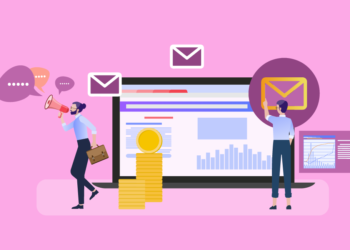



When it comes to email marketing for e-commerce, it’s like setting up a well-oiled machine that guides potential customers from curiosity to loyalty.
I’ll admit, when I first started, I felt completely overwhelmed. Where do you even begin to build a funnel? But here’s the thing—once you crack the code, it’s not just manageable, it’s transformative for your e-commerce success.
Understanding the Basics: What Is an Email Marketing Funnel?
Let’s break it down. An email marketing funnel is a structured series of emails designed to guide your customers through their buying journey. Think of it like a roadmap that takes people from learning about your brand to making a purchase—and beyond. Each stage of the funnel is about building trust, delivering value, and eventually converting those leads into repeat customers.
When I first started, I thought I could just hit them with product details right away. Spoiler: that didn’t work. Instead, I learned to nurture leads through a structured process. Let’s dive into each stage and I’ll share some tips to help you avoid the mistakes I made.
Stage 1: Awareness – Getting Their Attention
At the top of the funnel is the Awareness stage. Here, potential customers are just discovering your brand, perhaps through a social media ad, a friend’s recommendation, or a welcome email series. They don’t know much about you yet, so your goal is to grab their attention and intrigue them enough to stick around.
One strategy I swear by is offering a lead magnet—something free and valuable, like an e-book or a discount code. For my first store, a simple “10% off your first purchase” pop-up grew my email list by 30% in a month. Learn how to create drip campaigns that convert to keep that momentum going.
Stage 2: Consideration – Nurturing the Relationship
Once they’re in your funnel, it’s time to nurture the relationship. This stage is like dating—you wouldn’t propose on the first date! Instead, you send content that builds trust and demonstrates your expertise. For instance, if you sell fitness gear, share workout tips or success stories.
When I shifted my focus from promotion to effective personalization techniques in my emails, engagement skyrocketed. Readers started replying to my emails, thanking me for the value-packed content. That’s when I knew I was on the right track.
Stage 3: Decision – Encouraging the Purchase
Now we’re getting to the fun part: converting potential customers into buyers. At this stage, they trust you enough to seriously consider purchasing. Seal the deal with limited-time offers, personalized discounts, or a sense of urgency.
One of my most successful campaigns was a “24-hour flash sale” featuring a countdown timer. Sales surged! But remember, balance is key. If every email screams “SALE,” you’ll land in the spam folder. Discover how to use scarcity tactics effectively in emails to create urgency without overwhelming your audience.
Stage 4: Retention – Keeping Them Coming Back
Your job doesn’t end with a sale. The Retention stage is about turning one-time buyers into loyal customers. It’s cheaper and easier to retain an existing customer than to acquire a new one, so this stage is crucial.
A simple post-purchase follow-up can work wonders. Something like, “Thank you for your purchase! We’d love your feedback” helps build goodwill. Better yet, offer a discount on their next purchase or launch a loyalty program. Implementing a loyalty program increased my store’s retention rate by 15% in a few months. See best practices for crafting personalized product recommendation emails to keep your audience engaged.
Conclusion: The Power of a Well-Structured Funnel
Building an effective email marketing funnel isn’t rocket science, but it does require thoughtful planning. By guiding customers through each stage—from Awareness to Retention—you’ll not only increase sales but also foster genuine relationships with your audience.
Take it step by step, learn from your mistakes (I made plenty!), and soon, your funnel will run on autopilot, delivering consistent results. If you’re ready to level up your email marketing game, check out how to integrate behavioral data into campaigns to supercharge your strategy.
Trust me, there’s no better feeling than seeing your hard work pay off—and your sales climb higher than ever!