Setting up a lead nurturing email sequence is a crucial strategy for guiding potential customers through the buyer’s journey, from initial interest to conversion.
A well-designed lead nurturing sequence delivers valuable content that educates, builds trust, and addresses the needs and pain points of your leads, helping them make informed decisions at their own pace. By automating this process, you can consistently engage your leads with personalized, relevant messages, all without the manual effort. Here’s how to set up a lead nurturing email sequence that turns prospects into loyal customers.
Step 1: Define Your Goals and Audience
Before creating your lead nurturing sequence, it’s important to define what you want to achieve. Are you aiming to educate your leads about your product, guide them toward a demo, or encourage them to make a purchase? Having clear goals will help you craft content that aligns with your objectives and moves your leads closer to conversion.
Identify Your Audience: Start by segmenting your leads based on where they are in the buyer’s journey. Common segments include:
- New Leads: Individuals who’ve just signed up or shown initial interest.
- Marketing Qualified Leads (MQLs): Leads that have engaged with your content and shown interest but aren’t ready to buy.
- Sales Qualified Leads (SQLs): Leads that have demonstrated intent to purchase, such as by requesting a demo or pricing information.
Understanding your audience will help you tailor your messages to their specific needs and stage in the buying process.
Step 2: Map Out Your Email Sequence
A successful lead nurturing sequence typically consists of a series of 5-7 emails sent over a set period, each designed to guide the lead closer to a decision. Here’s a basic framework you can follow:
- Welcome Email: Introduce your brand, thank the lead for their interest, and set expectations for what’s to come. This email sets the tone and gives the lead a reason to keep engaging.
- Educational Content: Provide value with content that addresses your lead’s pain points or challenges. This could be in the form of blog posts, guides, videos, or infographics that help them understand their problem and how your product or service can solve it.
- Social Proof: Include testimonials, case studies, or reviews that demonstrate how others have benefited from your product or service. Social proof helps build trust and credibility.
- Product Introduction: Start to introduce your product or service in more detail. Highlight key features, benefits, and how it addresses the lead’s specific needs.
- Comparison/Objection Handling: Address common objections or comparisons to competitors. Provide clear, compelling reasons why your solution stands out.
- Call to Action: Encourage the lead to take the next step, whether it’s scheduling a demo, downloading a more in-depth guide, or making a purchase. Make your call to action clear and compelling.
- Follow-Up and Recap: If the lead hasn’t yet converted, send a follow-up email summarizing key points and reinforcing the benefits of your solution. Offer additional resources or a limited-time offer to encourage action.
Step 3: Create Engaging and Valuable Content
The success of your lead nurturing sequence relies heavily on the quality of your content. Each email should provide value, educate, and move the lead closer to making a decision. Here are some tips for creating engaging content:
- Focus on the Lead’s Needs: Keep your content centered on the lead’s challenges and how your solution can help. Avoid overly promotional language in the early stages.
- Keep It Concise: Your emails should be easy to read and straight to the point. Use clear language, bullet points, and visuals to make your messages digestible.
- Include Visuals: Use images, infographics, or videos to break up text and make your content more engaging. Visual content can help convey complex information in a more accessible way.
- Use Strong CTAs: Every email should have a clear call to action that guides the lead to the next step. Use action-oriented language and make your CTAs stand out visually.
Step 4: Set Up Automation in Your Email Platform
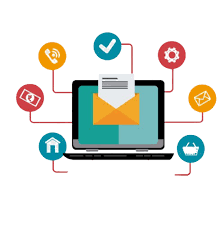
To ensure your lead nurturing sequence runs smoothly, set up automation workflows in your email marketing platform. Platforms like HubSpot, ActiveCampaign, Mailchimp, and Klaviyo offer robust automation tools that allow you to schedule your sequence, track engagement, and adjust the flow based on lead behavior.
How to Set Up Automation:
- Create a New Workflow: Start by creating a new automation workflow in your email platform. Name it according to the goal of your sequence (e.g., “Lead Nurturing – New Subscribers”).
- Set Triggers: Define the triggers that will add leads to the workflow. Common triggers include subscribing to a list, downloading a lead magnet, or filling out a form on your website.
- Add Your Emails: Add each email in your sequence to the workflow in the order you’ve mapped out. Set time delays between emails based on how often you want to communicate with your leads (e.g., every 3 days).
- Define Branching Logic: Use branching logic to adjust the flow based on lead behavior. For example, if a lead clicks a CTA to book a demo, you can move them to a different workflow that focuses on closing the sale.
- Set Exit Criteria: Determine when and how leads should exit the workflow. This could be after a set number of emails, when a lead converts, or if they become unengaged (e.g., no opens or clicks after several emails).
Step 5: Personalize Your Emails for Better Engagement
Personalization is key to making your lead nurturing emails feel relevant and engaging. Use the data you have on your leads to tailor your messages, such as including their name, referencing their industry, or highlighting products they’ve shown interest in.
Examples of Personalization:
- Dynamic Content: Show different content blocks based on the lead’s interests or actions. For example, display product recommendations related to their previous downloads.
- Personalized Subject Lines: Use personalized subject lines that grab attention and make your emails feel more tailored, such as “Hey [Name], Here’s How We Can Help You [Solve Problem].”
- Behavior-Based Triggers: Adjust your email content based on the lead’s behavior. If they’ve clicked on certain links, send follow-up content that dives deeper into that topic.
How to Automate: Most email platforms offer tools to add personalization fields, dynamic content, and behavior-based triggers. Set these up in your automation workflow to ensure every email feels customized to the individual lead.
Step 6: Test and Optimize Your Sequence
To maximize the effectiveness of your lead nurturing sequence, it’s important to continually test and optimize your approach. Use A/B testing to experiment with different subject lines, content variations, send times, and CTAs.
What to Test:
- Subject Lines: Test different tones, lengths, and calls to action in your subject lines to see what drives the highest open rates.
- Email Content: Experiment with different formats, lengths, and visuals to determine what keeps leads engaged.
- CTAs: Test different placements, wording, and designs for your CTAs to see what encourages the most clicks and conversions.
- Timing: Adjust the frequency and timing of your emails to find the optimal cadence that keeps leads engaged without overwhelming them.
How to Automate: Set up A/B tests in your email platform to automatically rotate different versions of your emails and report on the results. Use the insights gained to refine your sequence and improve your overall performance.
Step 7: Monitor Performance and Adjust as Needed
Once your lead nurturing sequence is live, it’s important to regularly monitor its performance and make adjustments as needed. Track key metrics such as open rates, click-through rates, conversion rates, and engagement levels to understand how well your sequence is performing.
Metrics to Monitor:
- Open Rates: Indicates how well your subject lines and timing are working.
- Click-Through Rates: Shows how engaging your content is and whether your CTAs are effective.
- Conversion Rates: Measures how many leads are taking the desired action, such as signing up for a demo or making a purchase.
- Unsubscribe Rates: A high unsubscribe rate may indicate that your emails are too frequent, not relevant, or missing the mark.
Use these insights to identify areas for improvement, such as tweaking your content, adjusting your email timing, or refining your audience segmentation.
Conclusion: Nurture Leads with Purposeful Automation
Setting up a lead nurturing email sequence is a powerful way to guide your prospects through the buyer’s journey, build trust, and drive conversions. By defining your goals, mapping out a strategic sequence, creating engaging content, and using automation to deliver your emails at the right time, you can create a seamless and effective lead nurturing process.
Remember, the key to successful lead nurturing is to provide value at every step and keep the focus on your lead’s needs. With the right approach, your automated lead nurturing sequence can turn cold leads into warm prospects and, ultimately, loyal customers.