I figured all I needed was a buy button when I launched my first product.
I had a good offer, decent design, and I posted about it every day on Instagram. Know what happened? Crickets.
That’s when I realized: It’s not just about the product. It’s about the tools that get that product in front of the right people.
Once I started using actual marketing tools — email software, scheduling platforms, and simple analytics — my sales tripled in two months. Not because I worked more. Just smarter.
Here’s what I now recommend to every seller, especially if you’re a creator, coach, or ecommerce beginner trying to grow with limited time and budget.
You Need a Stack (Not a Single Tool)
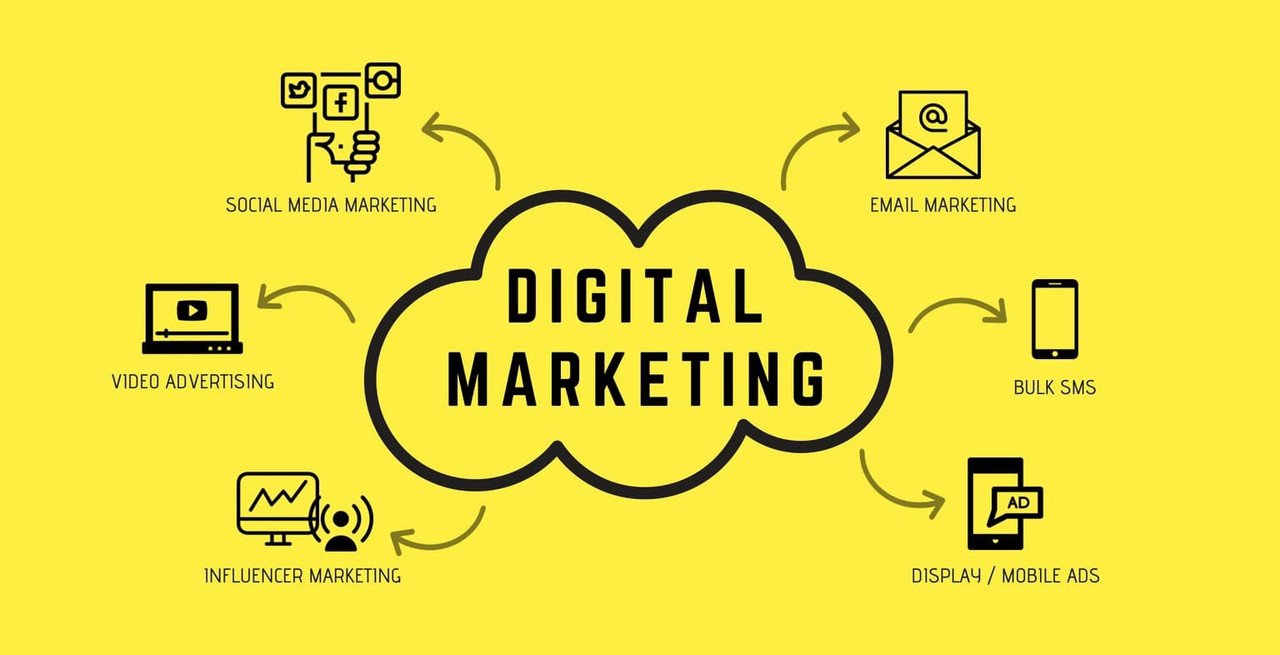
One tool won’t do it all. What you need is a simple, streamlined stack — a handful of tools that cover:
-
Attracting people (SEO, social media)
-
Converting them (landing pages, funnels)
-
Nurturing them (email marketing)
-
Tracking what’s working (analytics)
If your current approach is “post on social and hope,” this is going to change everything.
Email Marketing: Still King
If you’re not building an email list, you’re leaving money on the table. Period.
I’ve used MailerLite for years — it’s cheap, visual, and lets you build automations without a tech degree. If you’re a creator or coach, ConvertKit is amazing for tagging subscribers based on behavior. And if you sell physical goods or want detailed data, Klaviyo is the powerhouse.
What to look for:
-
Easy-to-use visual automation
-
Reliable deliverability
-
List segmentation (so you’re not blasting everyone the same thing)
Email is where I make over 60% of my monthly sales, no exaggeration. If you’re not sure where to start, this guide on how to use email marketing for repeat sales in 2025 breaks it down perfectly.
Social Media Tools (Without the Burnout)
Posting manually every day? Exhausting.
I now schedule everything a week ahead with Buffer, and design it all in Canva. I’ve also tried Metricool, which lets you manage posts and see analytics across platforms — super helpful when you’re on Instagram, TikTok, and Pinterest.
Repurpose one piece of content into 5 formats. Let the tool post it for you. Then go touch grass.
If you want to step up your strategy, this guide on how to market your Payhip store on social media in 2025 is a game changer.
SEO + Content Marketing
If you want free traffic that compounds over time, you need content + SEO. For that, I use:
-
Neuron Writer: Helps me outline SEO-optimized blog posts
-
SurferSEO: Optimizes content in real-time (a bit pricier)
-
Ubersuggest: Quick keyword research + competitor ideas
Blog posts, product descriptions, even your About page. They all count toward SEO. And when done right? You’ll start ranking without ads.
Not sure how SEO fits into your overall strategy? Read this on using SEO to increase store visibility in 2025.
Funnels, Pages, and Lead Magnets
You don’t need a full website to start selling, just a clean landing page and a way to collect emails.
Here’s what’s worked for me:
-
Payhip: All-in-one store builder, landing page, email capture, checkout
-
Carrd: Great for simple lead magnet pages
-
Leadpages: More advanced funnels with A/B testing
I’ve built entire $1K+ launches using just Payhip + Canva + ConvertKit. If you’re new to Payhip’s features, start with this step-by-step guide on using Payhip’s built-in marketing tools.
Track What Matters
You can’t grow what you don’t measure. I use:
-
Google Analytics 4 for traffic
-
Hotjar for heatmaps (see where people click!)
-
Payhip Insights to monitor sales and referrals
Don’t obsess over data, but do check:
-
Top traffic sources
-
Your highest converting product
-
What email got the most clicks
That’s where the gold is.
Connect It All: Automate What You Can
Automation isn’t about being lazy, it’s about building systems that work while you sleep.
I use:
-
Zapier: To connect Payhip → Google Sheets, ConvertKit, or even Slack
-
Make.com: More advanced workflows if needed
-
TidyCal: Book calls and auto-send reminders
Example: When someone buys my digital planner → they get tagged in ConvertKit → emailed a bonus resource → added to a “thank you” segment → done. No manual steps.
For higher conversions, pairing automation with urgency works. Here’s how I do it with limited-time offers that increase conversions without feeling pushy.
Mistakes I Made (That You Don’t Have To)
-
I bought too many tools at once
-
I didn’t learn how to use the tools I paid for
-
I ignored analytics and kept guessing
-
I switched platforms too often chasing shiny features
-
I tried to DIY everything when $19/month tools could’ve saved me hours
Now, I evaluate every quarter: What’s earning? What’s draining? What’s automatable?
Final Thoughts
Marketing tools aren’t magic but they make everything easier. The key is picking a lean stack, mastering it, and letting it do the heavy lifting.
You don’t need 15 subscriptions. Start with:
-
One email tool
-
One scheduling app
-
One platform to host/sell your product
-
One way to track performance
Then build from there. One step, one tool, one smarter system at a time.