Let me tell you about the time I spent an entire weekend working on what I thought was the perfect email sequence.
I mean, I was proud of it — clean design, tight copy, clever subject lines. I hit send Monday morning and expected the sales to roll in. But a day later? Crickets. I refreshed the stats like a maniac. Open rate: 4.7%. Click-through: 0.6%. My heart dropped.
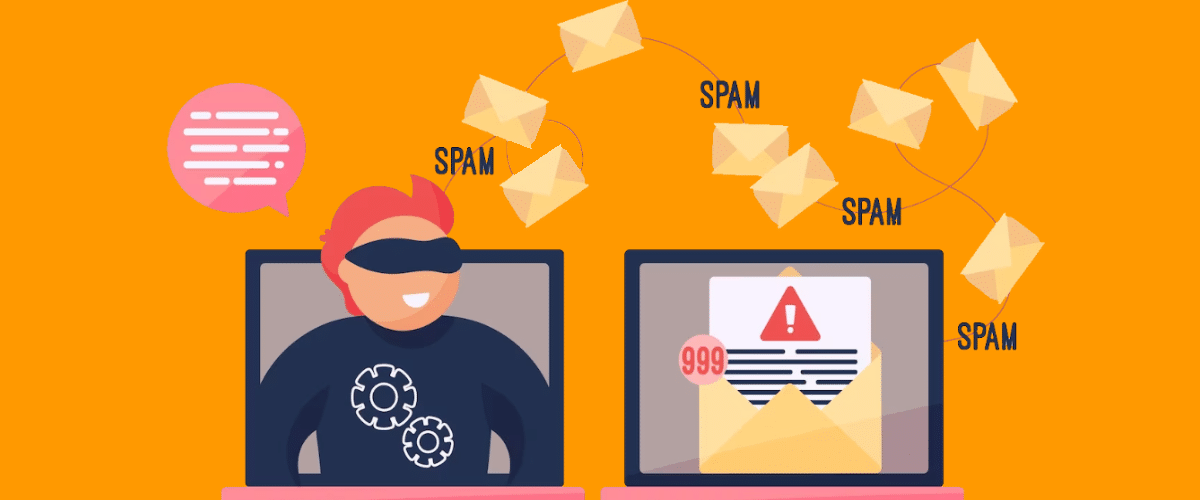
Turns out, most of my emails landed straight in spam. Like, not even the Promotions tab. Spam. It felt like throwing confetti in the dark — nobody saw a thing.
And that’s when I realized: if your email doesn’t reach the inbox, nothing else matters.
My First Mistake? Not Understanding Deliverability
I used to think avoiding spam filters was all about not sounding “spammy.” You know, avoid saying “FREE!” too many times or putting “Buy Now!!!” in all caps. While that helps, it barely scratches the surface.
There’s a whole technical side to this stuff that no one warned me about. Terms like SPF, DKIM, and DMARC sounded like secret codes, and honestly, I ignored them for a while. Bad idea. Without proper email authentication, your emails don’t just look suspicious — email providers know they’re not safe to deliver.
Once I verified my sending domain with those three records, my delivery rate improved almost overnight. Wish I had done that before burning through my best promo campaign.
How Spam Filters Actually Work (In Plain English)?
Spam filters are like bouncers at a club — they don’t care if you’re dressed nicely or brought your A-game. If your name’s not on the list, or if your crew looks shady (think: bad sender reputation, inconsistent sending patterns), you’re not getting in.
Here’s what I learned the hard way:
-
Unclean lists kill your reputation. If you’re sending to people who haven’t opened your emails in months, it tells email providers your content is unwanted. That tanks your sender score.
-
No text? Big problem. One email I designed was gorgeous — but it was basically one big image. Spam filters flagged it immediately. Emails need a healthy balance of HTML and plain text.
-
Too many links? Also bad. I had three CTAs in one email once (because I’m greedy), and guess what? Spam filter city.
What I Do Differently Now? (And You Should Too)
-
Warm Up Every New Domain. If you’re starting from scratch or switching providers, don’t go full throttle. I start small, sending to my most engaged users, then gradually scale up over 2–4 weeks. That tells Gmail, Outlook, and friends, “Hey, I’m legit.”
-
Test Before I Send. Tools like Mail Tester or GlockApps are gold. They analyze your email content, headers, and domain reputation before you launch. One time, I discovered my DNS settings were misconfigured — that one test saved me a month of poor deliverability.
-
Plain Text Is My Friend. I used to think it looked boring, but now I always include a clean plain-text version alongside the HTML version. It’s like giving spam filters a safety net.
-
Segment and Clean Lists Regularly. Once a quarter, I remove cold subscribers (no opens in 90+ days). It hurts at first, but my open rates and deliverability are so much better now. It’s quality over quantity, every time.
-
Be Honest in My Subject Lines. I don’t bait people anymore. “Your free gift is inside!” sounds exciting, but when there’s no actual gift, people hit “Spam” real fast. Instead, I keep it casual and clear, like: “Here’s the strategy I used to 3x my sales.”
The One Campaign That Taught Me Everything
A while back, I launched a re-engagement campaign. I segmented out users who hadn’t opened in 6+ months and sent a heartfelt email like, “Still want to hear from me?” I gave them two links: one to stay subscribed, one to unsubscribe. Simple.
That email had a 32% open rate — from a cold list! And those who clicked to stay? They started engaging again.
That’s when I realized avoiding spam isn’t about playing tricks. It’s about respect. Respect your audience. Respect the rules. And respect the fact that Gmail is smarter than you think.
If You’re in the Spam Folder Now, Here’s What I’d Do
Don’t panic. Seriously. I’ve crawled out of that hole before.
-
Stop mass-sending. Go back to small, engaged segments.
-
Fix your authentication records. SPF, DKIM, DMARC. Non-negotiable.
-
Ask people to whitelist you. It sounds old-school, but if a few subscribers mark you as “not spam,” it helps more than you know.
-
Rebuild slowly. Better a small, clean list than a big, broken one.
Final Thought: Respect the Inbox
The inbox is sacred real estate. And these days, people guard it like Fort Knox.
Avoiding spam filters isn’t about hacking the system. It’s about being consistent, being authentic, and putting the subscriber first. If your emails add value — real value, people want to see them.
And when that happens, the filters back off.
So yeah, stop worrying so much about the design and focus on the bones: clean list, honest subject, solid setup. That’s how you stay out of spam… and in the game.