


When I first stumbled onto the idea of print-on-demand products, it sounded way too good to be true.
No inventory? No shipping boxes stacked in my living room? No late-night packing marathons? Sign me up.
Of course, like anything that sounds magical, there’s a learning curve. And a few “oh no” moments (like that time my first batch of shirts had logos the size of a dinner plate… yikes).
If you’re thinking about offering custom and print-on-demand products, here’s everything I wish someone had told me when I started.
What Are Print-on-Demand and Custom Products?
Print-on-demand (POD) means your products are made only after someone orders them.
No guessing how many to make. No warehouses. No up-front bulk orders.
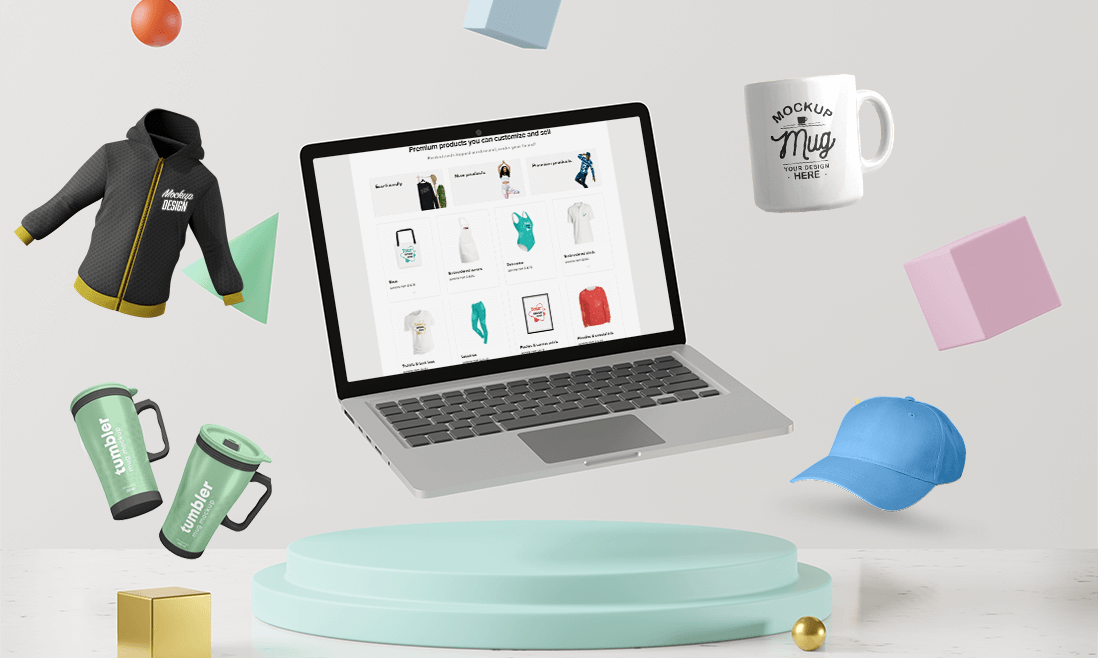
Typical POD products you can sell:
-
T-shirts, hoodies
-
Phone cases
-
Mugs, water bottles
-
Tote bags
-
Posters, art prints
-
Pillows and blankets
Basically, if you can slap a design on it, there’s probably a POD version of it.
It’s different from traditional ecommerce because you’re not buying or holding inventory — the supplier prints and ships everything for you.
If you’re new to ecommerce, this model complements what you’d learn in how to sell physical products on Payhip especially if you want to avoid upfront inventory risks.
Why Offer Custom and Print-on-Demand Products?
Honestly?
-
Low risk. You’re not sitting on $5,000 worth of unsold socks.
-
Super flexible. Want to test a cat-themed mug line? Go for it.
-
Focus on what you’re good at. (Designing, marketing, branding — not packing boxes.)
It’s especially perfect if you’re an artist, content creator, or small business owner looking for side income without a massive upfront investment.
It’s also worth reviewing how to choose the best products to sell online to make sure your designs align with proven, demand-driven niches.
How to Choose the Right POD Platform?
There are so many platforms it’s overwhelming at first.
A few big ones:
-
Printful (great quality, higher cost)
-
Printify (tons of suppliers, more variety)
-
Gelato (global fulfillment, fast shipping)
What to look for:
-
Product quality (ALWAYS order samples first)
-
Shipping speed (customers are impatient)
-
Pricing and profit margins
-
Integration options (Shopify, Etsy, Payhip, etc.)
I once picked a cheaper supplier without testing — half the mugs arrived scratched.
Lesson learned: pay a little more for quality. It’s so worth it.
You’ll also want to factor in shipping and delivery options early, since fulfillment speed and clarity are critical for POD customers.
Designing Products That Actually Sell
You don’t have to be a professional designer. (Thank goodness.)
But you do need designs that pop.
Tips I swear by:
-
Keep it simple. Big bold graphics or short quotes work better than cluttered designs.
-
Use Canva if you’re not a Photoshop wizard.
-
Think about your buyer. Who are you designing for? A sarcastic dog mom? A proud book nerd?
The best sellers usually hit a specific audience with a clear vibe.
Generic designs flop.
Pricing Your POD Products for Profit
Here’s where I fumbled early on:
I priced too low trying to beat Amazon… and barely made $2 a sale. Not sustainable.
You have to cover:
-
Product base cost
-
Printing fees
-
Shipping costs
-
Platform fees (like Etsy listing fees or Payhip transaction fees)
Pro Tip:
Offer “free shipping” by building it into your product price.
Customers LOVE free shipping even if the total cost is the same. Psychology is wild.
Before setting your prices, check out pricing strategies for physical products so you don’t end up losing money every time you make a sale.
Marketing Your Custom Products the Smart Way
Don’t just list it and pray. (Guilty.)
Best marketing moves:
-
Create gorgeous mockups — Printful and Placeit make this stupid easy.
-
Use Instagram and Pinterest to show off lifestyle pics.
-
Run tiny ad campaigns (even $5/day) to test new designs.
-
Build an email list — yes, even if it’s tiny at first!
You don’t need millions of followers. You just need the right people seeing your stuff.
To create a better customer journey and drive repeat sales, explore how to set up a branded online store that supports your POD brand and gives your customers trust at first glance.
Final Thoughts
Offering custom and print-on-demand products has been one of the smartest and honestly, most fun — things I’ve ever done for my business.
It’s not “set it and forget it.” You’ll tweak designs, test pricing, and maybe cringe at a few early mistakes.
(Trust me, the dinner-plate logo shirts still haunt me.)
But if you stay consistent, focus on quality, and build a brand around what your audience loves?
Print-on-demand can open massive doors for you — without a massive risk. Now go create something awesome.