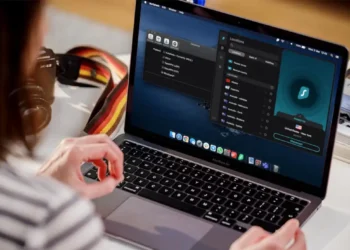

Using public Wi-Fi networks has become commonplace, offering convenience for those on the go.
However, the convenience of accessing the internet in cafes, airports, and hotels comes with significant security risks. Public Wi-Fi networks often lack adequate security measures, making users vulnerable to data breaches, online surveillance, and cyber threats. This guide aims to demystify the process of setting up a Virtual Private Network (VPN) to secure your digital footprint while using public Wi-Fi. Employing a VPN creates a secure conduit between your device and the internet, encrypting your data to shield it from prying eyes.
With protocols like OpenVPN, L2TP/IPsec, or IKEv2/IPsec, a VPN ensures that your online activities remain private and protected. Whether you’re concerned about protecting sensitive information or simply wish to browse the internet securely, this guide will equip you with the knowledge to navigate the setup and use of a VPN with confidence, as highlighted by our comprehensive analysis of expert sources.
Understanding the Need for a VPN on Public Wi-Fi
Public Wi-Fi networks, found in cafes, airports, and hotels, are notoriously insecure. These networks often lack the necessary security protocols, making it easy for cybercriminals to intercept and access your personal information. A VPN encrypts your internet connection, rendering your data unreadable to anyone who might intercept it. This encryption is crucial, especially when you’re performing sensitive activities like online banking or sending confidential emails over a public network.
Choosing the Right VPN
Selecting a VPN service is the first step towards securing your online activities. A good VPN service should have a strict no-logs policy, ensuring that your online activities are not recorded or tracked. Additionally, look for services offering robust encryption protocols, such as OpenVPN or IKEv2/IPsec, to enhance the security of your connection. The geographical distribution of servers is also an essential factor, as it allows you to access geo-restricted content and enjoy improved connection speeds. Moreover, consider the VPN’s compatibility with your devices and its customer support responsiveness. Cost is another crucial factor; however, the security and privacy benefits of a paid VPN service often outweigh the expense.
Setting Up Your VPN
Once you’ve selected a VPN provider, setting up the VPN is relatively straightforward. The process generally involves:
- Downloading and Installing the VPN Client: Visit your VPN provider’s website or the app store on your device to download and install the VPN client.
- Signing In: Use your credentials to sign in to the VPN app.
- Connecting to a Server: Select a server location and connect. For public Wi-Fi use, choosing a server closest to your actual location often provides the best speed.
Best Practices for Using a VPN on Public Wi-Fi
- Keep Your VPN Active: Always keep your VPN turned on while connected to public Wi-Fi to ensure continuous protection.
- Select Secure Protocols: Whenever possible, opt for secure protocols like OpenVPN or IKEv2/IPsec to guarantee a high security level.
- Use Kill Switch Feature: Enable the kill switch feature if your VPN offers it. This feature blocks all internet traffic if your VPN connection unexpectedly drops, preventing data leaks.
- Stay Updated: Regularly update your VPN client to benefit from the latest security enhancements and features.
Troubleshooting Common VPN Issues
Despite the relative ease of using a VPN, you may occasionally encounter connectivity issues. If this happens, ensure you have a stable internet connection and try connecting to a different server. Additionally, check for any firewall or antivirus settings that might be blocking the VPN connection and ensure your VPN client is up to date.
Conclusion
The convenience of public Wi-Fi is unmatched, but so are the potential risks to your digital security. Setting up a VPN is a straightforward yet effective measure to protect your online activities from prying eyes. By following this guide, you can enjoy the benefits of public Wi-Fi without compromising your online privacy and security.