If someone had told me a VPN could save me hundreds on travel, I’d have laughed.
To me, VPNs were just for tech nerds and people watching Netflix in other countries. But when I booked a $740 flight for $412 — just by using a VPN to check fares from another country, I was instantly converted.
It was like discovering a secret travel hack nobody talks about.
I’ve been using VPNs ever since. Not just for security, but as a full-on money-saving tool. Flights, hotels, rental cars, even some local attractions — they all change prices depending on where you look from. And VPNs? They let you look from anywhere.
The VPN Travel Trick (That Actually Works)
So here’s the gist. Travel companies — airlines, booking sites, hotels — use dynamic pricing. That means they adjust prices based on your IP address (aka your location), search history, even the device you’re using. If they think you’re in a wealthier country? Boom, higher price. You keep checking the same fare? Price might go up.
A VPN (Virtual Private Network) lets you mask your location and appear to be browsing from anywhere in the world. I usually test 3–5 locations before booking anything major. It sounds like a hassle, but it’s really not.
Example? I once got the exact same hotel in Bangkok for $29 less per night just by switching my VPN to India instead of the U.S. That’s a savings of $203 for the week. For five clicks.
Best VPN Features for Travel Deals
All VPNs aren’t created equal — and if you’re trying to use one for travel savings, there are a few features you need.
-
Multiple Server Locations: The more countries you can choose from, the better. NordVPN, Surfshark, and ExpressVPN all offer 90+ locations.
-
Fast Speeds: Travel booking sites are media-heavy and super sensitive to lag. You need a VPN that doesn’t slow things to a crawl. I use NordVPN and Surfshark for their speed.
-
No Data Caps: Some free VPNs throttle your connection after a certain point. Not worth it. Go paid — they’re like $2 to $5/month on promo.
-
Kill Switch & Leak Protection: You don’t want your real IP leaking mid-search. It defeats the purpose.
-
Split Tunneling: Lets you run your browser through the VPN while other apps stay local. Handy if you want to do price comparisons side by side.
How I Personally Search for Deals?
Here’s my actual step-by-step routine. I swear by it.
-
Open Incognito Mode – always. Clears cookies and keeps sites from tracking your repeat visits.
-
Turn on VPN and pick a location (I usually try India, Mexico, Singapore, and sometimes Germany).
-
Search for flights/hotels on multiple booking sites — Expedia, Kayak, Skyscanner, Booking.com.
-
Take screenshots or notes of each price/location combo.
-
Switch VPN location and repeat. I compare at least 3 before pulling the trigger.
Yes, it takes a few extra minutes. But I’ve saved $50–$400 on flights more times than I can count. Same goes for hotels, especially in Asia and South America.
Pro Tips Most People Miss
-
Always clear cookies between sessions. Or just stay in incognito.
-
Try booking from the destination country. Weirdly, it sometimes shows lower local pricing.
-
Test on different days/times. Some deals only show up during local working hours.
-
Check airline or hotel direct after finding a deal. They might offer an even better rate if you don’t book through a third-party aggregator.
-
Use a travel rewards credit card at checkout. Double dip your savings with points or cashback.
Are Free VPNs Worth It?
Honestly? No, not for travel savings.
Free VPNs are too limited. Either they throttle your speed, give you only 2–3 countries to pick from, or log your data. Plus, they usually leak your IP, which defeats the whole purpose. If you’re serious about saving on travel, spring for a solid VPN service.
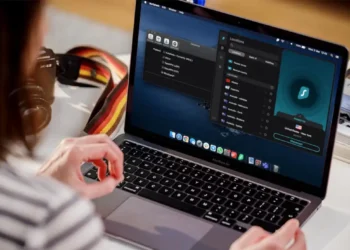
I use Surfshark on my phone and laptop, and it lets me connect unlimited devices — perfect when I’m planning trips on the go or comparing prices on multiple screens.
Final Thought
Look, VPNs won’t magically make every trip half-price. But if you travel more than once or twice a year, they absolutely pay for themselves. I’ve easily saved over $1,200 in the past two years just by switching my browsing location when booking.
Think of it as a digital passport that unlocks better deals based on where you say you’re from.
And once you get the hang of it? You’ll never book a flight or hotel without checking at least three VPN locations first.