Streaming services have become an integral part of our digital entertainment landscape.
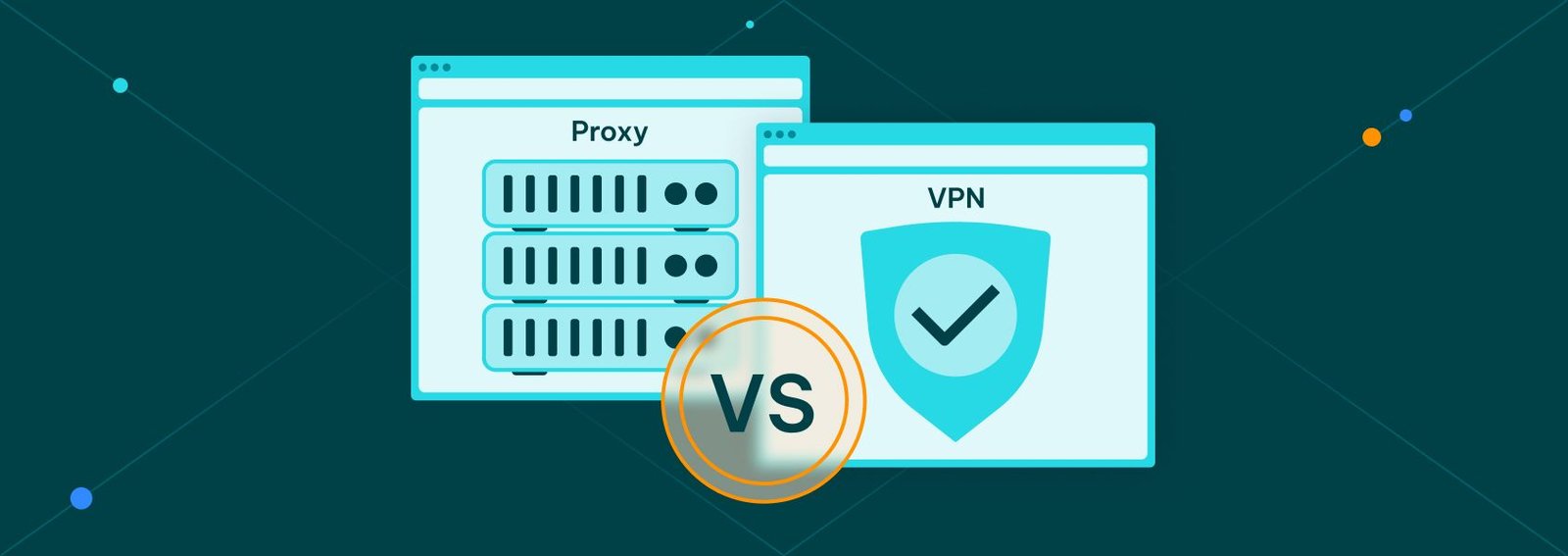
However, the joy of streaming your favorite content can quickly fade when geo-restrictions block access to shows and movies unavailable in your region. To overcome these obstacles, users often turn to Virtual Private Networks (VPNs) and proxies. But which one is more effective at bypassing geo-restrictions and unlocking streaming content? In this guide, we’ll compare VPNs and proxies in the context of streaming to help you make an informed choice.
1 VPN (Virtual Private Network) for Streaming
How It Works: VPNs route your internet connection through a remote server located in a different region or country. This process makes it appear as if your connection is originating from that server’s location, effectively bypassing geo-restrictions on streaming content.
Pros:
- Access to Global Content Libraries: VPNs allow you to access content from around the world. If a movie or TV show is available in a specific country, you can watch it with the corresponding VPN server.
- Privacy and Security: VPNs encrypt your internet connection, safeguarding your data from potential eavesdroppers, including your Internet Service Provider (ISP).
- Versatility: VPNs work across various devices and platforms, ensuring compatibility with streaming services on computers, smartphones, smart TVs, and more.
Cons:
- Cost: Many VPN services require a subscription fee.
- Speed: VPNs can sometimes slow down your internet connection due to the encryption and routing through remote servers.
2 Proxy for Streaming
How It Works: Proxies act as intermediaries between your device and the internet. When you connect to a streaming service through a proxy, the service sees the IP address of the proxy server instead of your own. This can help bypass geo-restrictions.
Pros:
- IP Masking: Proxies change your IP address, allowing you to access content available in the region of the proxy server.
- Speed: Proxies generally offer faster speeds than VPNs because they don’t encrypt your data.
- Cost: Many free proxy servers are available, making them a budget-friendly option.
Cons:
- Limited Privacy: Proxies don’t provide the same level of privacy as VPNs. Your data is not encrypted, and your ISP can still see your online activities.
- Lower Security: Proxies don’t offer the same level of security and anonymity as VPNs. They’re not suitable for tasks requiring strong privacy protection.
- Inconsistent Access: Some streaming services have become adept at detecting and blocking proxy server IP addresses.
3 Which Is Better for Streaming?
When it comes to streaming, VPNs generally hold the upper hand for several reasons:
- Global Access: VPNs offer access to a wider range of content libraries from different countries, making them ideal for users looking to explore diverse content options.
- Privacy and Security: VPNs encrypt your internet connection, providing a layer of privacy and security that proxies don’t offer. This can be especially important when streaming over unsecured Wi-Fi networks.
- Reliability: While some streaming services have gotten better at detecting proxies, VPNs remain a more reliable solution for bypassing geo-restrictions.
- Compatibility: VPNs are compatible with a broader range of streaming devices and platforms.
However, proxies can still be a viable option if you’re looking for a budget-friendly way to access region-restricted content, and they can offer faster speeds for streaming.
4 In Summary
If streaming a wide variety of global content with enhanced privacy and security is your primary goal, a VPN is the better choice. While proxies can work in some situations, they come with limitations that may not suit the needs of all streaming enthusiasts. So, when it comes to unlocking streaming content, VPNs are the top choice for a reliable and versatile experience.