There was this time I was traveling in Southeast Asia, and I tried to load YouTube to check out a tutorial. Boom, blocked.
I couldn’t access half the sites I needed for work. I remember sitting in a hostel, frustrated as hell, wondering how I was gonna finish a client project without the tools I usually rely on.
That’s when someone mentioned a VPN.
Now, I’d heard of VPNs before, mostly in those annoying YouTube ads—but I never really thought I needed one. Turns out, I was dead wrong. That moment flipped the switch for me, and since then, I haven’t gone online without a VPN running in the background.
Let me explain how VPNs are more than just some techy thing. They’re legit tools for online freedom—especially in a world where content is geolocked, surveillance is everywhere, and even basic privacy feels like a luxury.
What a VPN Actually Does? (No Tech Jargon)
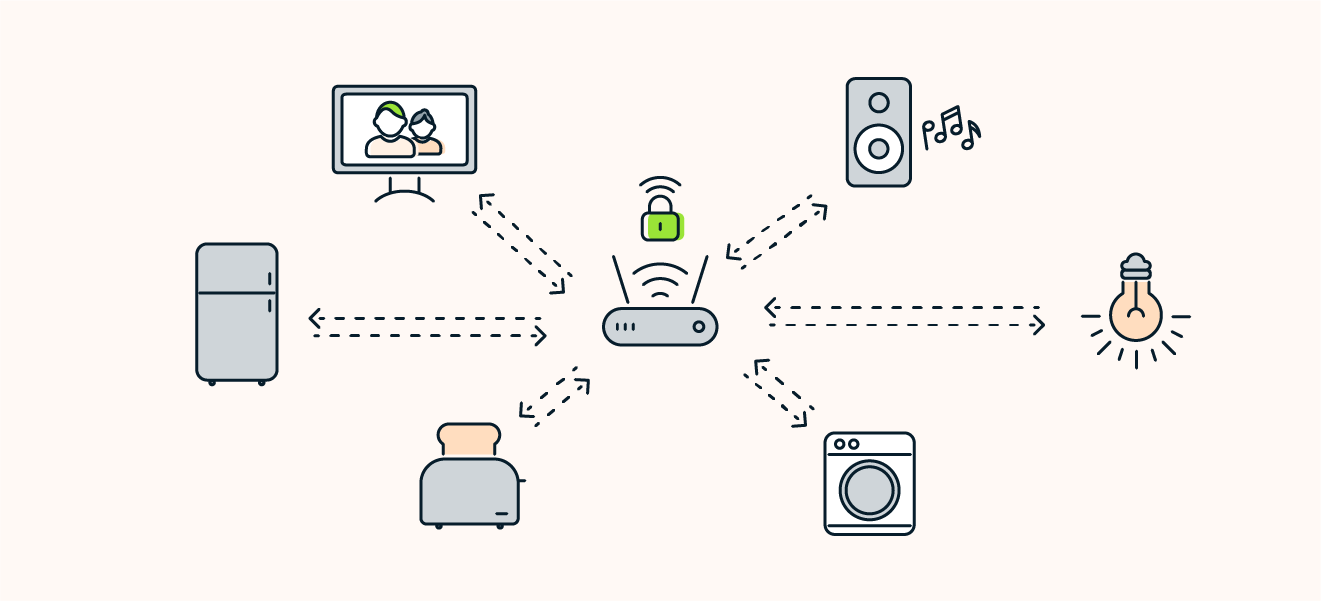
Okay, here’s the simplest way I can put it: a VPN, or Virtual Private Network, acts like a secret tunnel between your device and the internet. Instead of your traffic going straight to a website, it takes a detour through a secure server—one that can be located almost anywhere in the world.
So if you’re in, say, Dubai and you connect through a VPN server in the U.S., websites think you’re in the U.S. That means:
-
You bypass regional blocks.
-
Your internet provider (or anyone else) can’t easily track what you’re doing.
-
You get an encrypted connection that keeps your data safe.
It’s like wearing a digital invisibility cloak.
Bypassing Censorship and Geo-Restrictions
This is the real game-changer for a lot of folks—especially travelers, expats, journalists, and even students studying abroad. I’ve used VPNs to:
-
Watch Netflix libraries from other countries (hello, Japan anime catalog).
-
Access Google services in countries where they’re blocked.
-
Read news from home that’s restricted in certain places.
One of my friends runs a remote business while living in China, and without a VPN, she literally can’t use Slack, Google Drive, or Instagram. A solid VPN lets her operate like she’s back in the States. No drama.
Keeping Your Data Safe on Public Wi-Fi
Let me be blunt: public Wi-Fi is sketchy. Airports, coffee shops, hotels—these are playgrounds for hackers. I once had someone intercept my traffic at a hotel in Barcelona. I caught it early, but it freaked me out.
Since then? VPN always on.
When your connection is encrypted with a VPN, it doesn’t matter if the Wi-Fi is insecure. Anyone trying to snoop just sees scrambled nonsense. It’s one of the easiest ways to protect yourself from data theft, especially if you’re logging into work systems or bank accounts.
Getting Around Surveillance and Data Tracking
This one’s a little controversial, but it’s real. Depending on where you live, your government might be watching. Even in countries with strong privacy laws, ISPs often log your activity and sell that data to advertisers.
VPNs can’t solve all of that—but they can make it a hell of a lot harder for anyone to build a profile on you.
You’ll also notice fewer creepy ads following you around after using a VPN for a while. That’s not magic—it’s just that ad trackers have a harder time knowing who you are and where you’ve been.
But Wait, Are VPNs Legal?
I get this question all the time. For most countries? Yes. VPNs are legal and totally allowed. Some places (like China, Russia, Iran) restrict or regulate them, but even there, people still use them quietly.
Just make sure you’re not using a VPN to do shady stuff. A VPN protects your privacy—it doesn’t make you immune to the law.
Choosing a VPN That Doesn’t Suck
I’ve tried free VPNs before. Don’t do it. They’re slow, unreliable, and often track your data anyway, which kind of defeats the whole point.
What I look for now:
-
No-log policy (meaning they don’t store your browsing history).
-
Strong encryption (AES-256 is solid).
-
Fast, global servers.
-
Ability to unblock streaming services.
-
Kill switch (cuts off internet if VPN drops).
Some good ones I’ve used: ExpressVPN, NordVPN, and Surfshark. All paid, all worth it.
Final Thought: Online Freedom Isn’t Optional Anymore
The internet used to feel like the Wild West—open, unfiltered, raw. Now? It’s more like a gated community with weird rules, region locks, and eyes watching you constantly.
Using a VPN doesn’t just get you past those gates—it reminds you what the internet should feel like: open, accessible, and yours.
If you’re serious about privacy, freedom, or just want to stream The Office from another country, start using a VPN. It’s a small switch with a huge impact. Trust me—I’ve been on both sides of the firewall.