
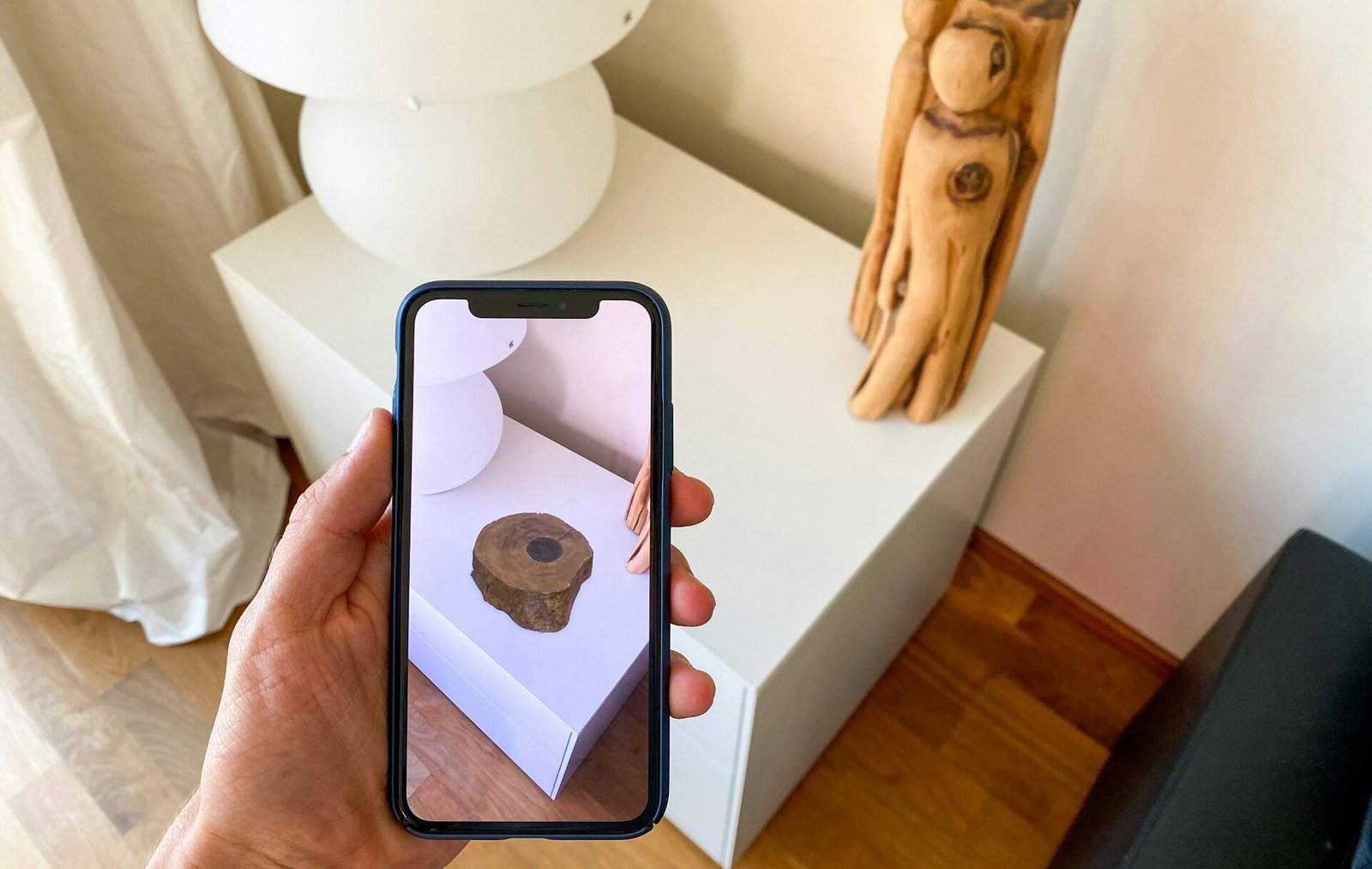
Augmented Reality (AR) is transforming the eCommerce landscape, making shopping more immersive and interactive.
With emerging trends like AI integration, mobile AR advancements, and WebAR innovations, retailers are leveraging AR to enhance customer experiences, increase sales, and reduce returns. Here’s an overview of how AR is shaping the future of eCommerce.
1 AI Integration
AI is revolutionizing AR by improving product visualization and personalization. Advanced AI algorithms enable accurate face and room scanning, essential for virtual try-ons and interactive shopping experiences. Additionally, AI-powered object detection and text recognition enhance AR’s usability in eCommerce. These advancements ensure seamless, intuitive AR experiences, driving customer satisfaction and engagement.
2 Mobile AR
Mobile AR continues to gain traction with platforms like Google’s ARCore and Apple’s ARKit. These tools empower developers to create immersive AR experiences, such as virtual furniture placement and clothing try-ons. With the growing accessibility of mobile AR in online shopping, customers can visualize products in real-world settings using just their smartphones. This trend is making AR more practical and appealing for eCommerce applications.
3 WebAR
WebAR eliminates the need for app downloads, making AR experiences accessible directly through web browsers. This convenience is particularly advantageous for product visualization in eCommerce, allowing retailers to engage a broader audience. Features like face filters and shared AR experiences are becoming standard, providing retailers with new ways to showcase products and interact with customers.
4 Wearable AR
Wearable AR devices, such as the Apple Vision Pro and Meta Quest 3, are redefining how customers engage with eCommerce. These devices offer hands-free, immersive experiences, allowing users to explore products in virtual environments. For example, wearable AR can enhance interactive shopping experiences and support remote customer assistance. As wearable AR technology advances, it is poised to become a key tool in the eCommerce sector.
5 AR in Retail
Retailers are leveraging AR to create engaging shopping experiences. Virtual try-ons for fashion, eyewear, and makeup let customers visualize products before purchasing, boosting confidence and reducing return rates. Similarly, AR applications in furniture shopping allow customers to see how products fit in their spaces. These innovations are helping retailers improve customer satisfaction and drive higher conversion rates.
6 Applications Beyond Retail
While retail leads in AR adoption, other sectors showcase AR’s versatility. In healthcare, AR aids in surgery and medical training, while in manufacturing, it supports worker training and equipment maintenance. These examples inspire eCommerce businesses to explore innovative uses of AR, such as enhancing logistics or customer service through AR-powered solutions.
Conclusion
Augmented Reality is at the forefront of eCommerce innovation, offering immersive, personalized, and efficient shopping experiences. Trends like AI-driven AR, WebAR, and wearable devices demonstrate AR’s potential to revolutionize online shopping. As AR technology evolves, its applications will expand, driving growth across industries and ensuring eCommerce platforms stay competitive in meeting consumer demands.
With these advancements, AR is not just enhancing eCommerce—it’s reshaping it for the future. Embracing these trends will help retailers unlock new opportunities and deliver unparalleled customer experiences.