

Have you ever felt like someone’s watching you while you’re online? It’s not paranoia—it’s reality.
From advertisers tracking your every click to hackers lurking on public Wi-Fi, your online activities are far from private. That’s why protecting your digital life isn’t just smart—it’s essential. Enter Virtual Private Networks (VPNs). Think of a VPN as your personal cloak of invisibility for the internet. The first time I used one, it felt like I was finally browsing on my own terms—safe, secure, and anonymous. If you’re tired of feeling exposed online, a VPN might just be the game-changer you’ve been looking for.
Key takeaway: VPNs give you back control over your online privacy by encrypting your data, hiding your IP address, and securing your browsing from prying eyes.
Why Online Privacy Should Matter to You?
Online privacy isn’t just for secret agents or tech wizards—it’s something we all need to think about. Every time you shop, bank, or scroll online, your data is at risk.
What’s at Stake?
- Hackers: They’re always on the hunt for passwords, credit card numbers, and other sensitive info.
- Advertisers: They build detailed profiles about you based on your browsing habits.
- Government Surveillance: Depending on where you live, your online activities might be monitored.
- Identity Theft: Your personal information can be stolen and used against you.
Your online life is yours—and it should stay that way.
How VPNs Protect Your Online Privacy?
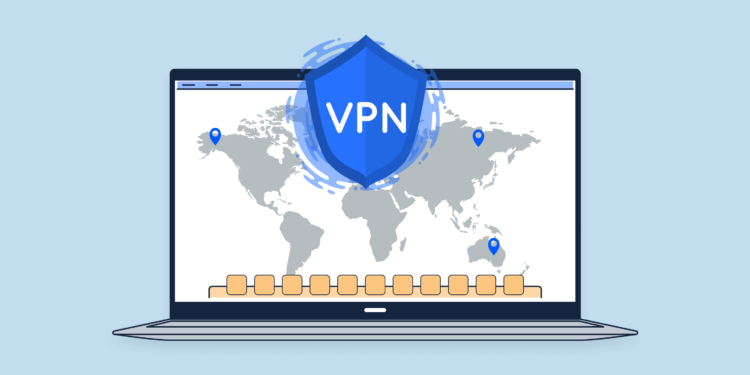
A VPN is like a secure tunnel that hides everything you do online from anyone trying to snoop. Here’s how it works:
Key Features That Safeguard Your Privacy
- Data Encryption: Your internet traffic is scrambled so that even if someone intercepts it, they can’t make sense of it.
- IP Address Masking: A VPN hides your real location by giving you a virtual one, making it harder to track you.
- Secure Public Wi-Fi: Whether you’re at a café or airport, a VPN keeps your connection private.
- No-Logs Policy: Many VPNs don’t store any data about your activities, ensuring complete anonymity.
It’s like wearing a mask online—no one can tell it’s you, and they can’t steal your data either.
Why a VPN Is Your Online Privacy Superhero?
Still wondering why you need a VPN? Let’s break it down:
1. Browse Anonymously
Your ISP (Internet Service Provider) can’t see what you’re up to when you’re connected to a VPN. That means no nosy tracking or selling your data to advertisers.
2. Protect Your Transactions
Ever worried about entering your credit card info on a website? A VPN encrypts your connection, making it virtually impossible for hackers to steal your payment details.
3. Access Global Content
Can’t watch your favorite show abroad? A VPN lets you stream content from anywhere by tricking the system into thinking you’re in the right region.
4. Avoid Annoying Ads
Advertisers won’t be able to track your behavior or bombard you with creepy targeted ads after every Google search.
5. Stay Safe on Public Wi-Fi
Public networks are a hacker’s playground, but a VPN keeps you secure even on the sketchiest of connections.
Real-Life Examples of VPNs in Action
Let’s put this into perspective with some real-world scenarios:
- Safe Online Shopping: Imagine you’re using public Wi-Fi to shop for a gift. Without a VPN, hackers could steal your payment info. A VPN encrypts your connection, keeping your money safe.
- Accessing Content Abroad: During a trip to Europe, I couldn’t access my local news site. With a VPN, I connected to a server in my home country and caught up on everything without a hitch.
- Avoiding Price Discrimination: Did you know airlines sometimes show different prices based on your location? A VPN helps you find the best deals by letting you browse as if you’re in another country.
Tips for Maximizing Your Privacy with a VPN
Here’s how to get the most out of your VPN:
- Pick a No-Logs VPN: Choose a provider that won’t store your browsing history.
- Enable the Kill Switch: This feature cuts off your internet if the VPN connection drops, preventing accidental exposure.
- Stick to Trusted Providers: Do your research and avoid free VPNs—they often come with hidden risks.
- Choose Servers Strategically: Connecting to servers in privacy-friendly countries can provide extra peace of mind.
Addressing Common VPN Concerns
VPNs aren’t perfect, but they’re pretty close. Here’s how to tackle some common worries:
- Speed Drops: Encryption can sometimes slow your connection slightly. Opt for a fast VPN provider to avoid lag.
- Trust Issues: Not all VPNs are equal. Stick to reputable brands with strong privacy policies.
- Cost: While free VPNs might seem tempting, they often trade your data for revenue. A good paid VPN is worth the investment.
Conclusion
A VPN is the ultimate tool to help you browse safely, shop securely, and keep your data out of the wrong hands.
For me, using a VPN has been a total game-changer. It’s not just about security—it’s about the freedom to use the internet on my terms. Ready to take control of your online privacy? Get a VPN today and start browsing with confidence.