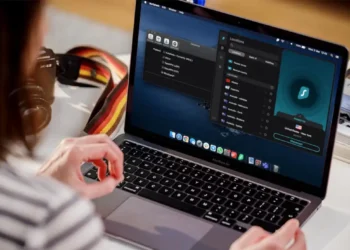

Working from home is now the new normal, but it comes with its challenges—especially in keeping your data secure.
From accessing sensitive files to joining video calls, ensuring your online activities are private and protected is essential. That’s where a Virtual Private Network (VPN) comes in. While setting up a secure VPN for your home office might sound technical, it’s simpler than you think.
When I first started working remotely, I didn’t use a VPN. After a close call with a phishing attack, I quickly learned my lesson. Now, a properly configured VPN is a non-negotiable part of my home office setup.
“Key takeaway: A secure VPN protects your home office data, ensures safe remote access, and keeps your online activities private, making it essential for remote work”
Why You Need a VPN for Your Home Office?
A VPN is more than just an encryption tool—it’s your digital shield. Here’s why it’s crucial:
- Secure Remote Access: Safely connect to company servers or shared drives from anywhere.
- Data Encryption: Protect sensitive information from hackers and cyber threats.
- Bypass ISP Throttling: Ensure a stable and fast connection, even during peak hours. Learn more about how to combat ISP throttling with VPNs here.
- Privacy Protection: Hide your online activities from ISPs, advertisers, or nosy neighbors.
If you handle client data, financial information, or proprietary work, a VPN is a must-have for peace of mind.
Step-by-Step Guide to Configuring a Secure VPN
Setting up a secure VPN for your home office doesn’t require advanced IT knowledge. Just follow these steps:
1. Choose the Right VPN Provider
Your VPN should prioritize security, reliability, and ease of use.
Top Picks for Home Offices:
- NordVPN: Advanced encryption and a no-logs policy.
- ExpressVPN: Known for speed and user-friendly features.
- Surfshark: Great for unlimited device connections on a budget.
Look for providers offering multi-factor authentication (MFA), high-speed servers, and dedicated customer support. To understand what factors matter most, check out this guide.
2. Set Up Your VPN Software
After selecting your provider, download and install the VPN software on your devices.
Tips for Installation:
- Use official apps from the VPN provider’s website or app store.
- Install the VPN on all work devices, including laptops, phones, and tablets.
- Enable auto-connect to ensure your VPN is always active.
3. Secure Your Router with a VPN
Protect every device on your network by configuring your router to use a VPN. This is particularly useful for devices like smart TVs and IoT gadgets.
Steps to Configure:
- Log into your router’s admin panel (your router’s manual has the details).
- Input the VPN provider’s configuration details under the VPN settings.
- Save the settings and restart your router.
For more on router-level VPN setups, visit this comprehensive router VPN guide.
4. Customize Your VPN Settings
To enhance security and performance, optimize your VPN settings:
- Kill Switch: Disconnects the internet if the VPN drops.
- DNS Leak Protection: Prevents ISPs from tracking your online activities.
- Split Tunneling: Route only work-related traffic through the VPN for faster speeds.
Learn more about configuration best practices here.
5. Test Your VPN Connection
Before you start working, ensure your VPN is functioning correctly.
How to Test:
- Visit “WhatIsMyIP” to verify your IP address is masked.
- Run a speed test to check for any slowdowns.
- Use a “DNS Leak Test” tool to confirm your connection is secure.
Best Practices for a Secure VPN Configuration
A secure setup is just the beginning. Stay protected with these tips:
- Keep Software Updated: Regular updates fix vulnerabilities.
- Use Strong Passwords: Secure your VPN account with unique passwords.
- Enable Multi-Factor Authentication: Add an extra security layer to your VPN login.
- Monitor for Suspicious Activity: Regularly check VPN logs for unauthorized access.
Real-Life Example: Protecting Sensitive Work Data
A freelance graphic designer I know once faced a scare when their client’s files were intercepted over an unsecured network. After setting up a VPN and securing their router, they’ve had no issues with data leaks. Whether you’re a freelancer, remote employee, or business owner, a VPN is essential for safeguarding your work.
For more on secure remote access, explore this detailed guide.
Conclusion
Configuring a secure VPN for your home office is one of the smartest steps you can take to enhance your remote work experience. From encrypting your data to ensuring safe access to company resources, a properly set up VPN keeps your work private and protected.
Take it from someone who’s been there—don’t wait for a data scare to prioritize your security. Choose a reliable VPN, follow the steps outlined above, and enjoy the peace of mind that comes with knowing your home office is secure.
Ready to take the next step? Learn how to enhance your productivity and security with VPNs for remote work security.