Traveling is all about adventure, new experiences, and exploring the unknown—but when it comes to staying connected online, the risks can be a little daunting.
From sketchy public Wi-Fi at airports to region-locked streaming services that won’t let you catch up on your favorite shows, being a connected traveler isn’t always smooth sailing. That’s where a Virtual Private Network (VPN) comes to the rescue. I’ve been a digital nomad for years, and if there’s one thing I’ve learned, it’s that a VPN is your ultimate travel companion. Whether you’re protecting your data or accessing content from home, a VPN keeps you safe, connected, and stress-free.
Key takeaway: A VPN enhances your travel experience by securing your connection, bypassing restrictions, and giving you peace of mind online.
1. Secure Your Online Activities on Public Wi-Fi
We’ve all been there—connecting to free Wi-Fi at a café, hotel, or airport. While convenient, public Wi-Fi is a hotbed for cybercriminals looking to steal sensitive data.
How a VPN Helps:
- Encrypts Your Data: A VPN creates a secure tunnel for your internet traffic, keeping your passwords, emails, and financial information safe.
- Prevents Hacking: Hackers using “man-in-the-middle” attacks can’t intercept your data when it’s encrypted by a VPN.
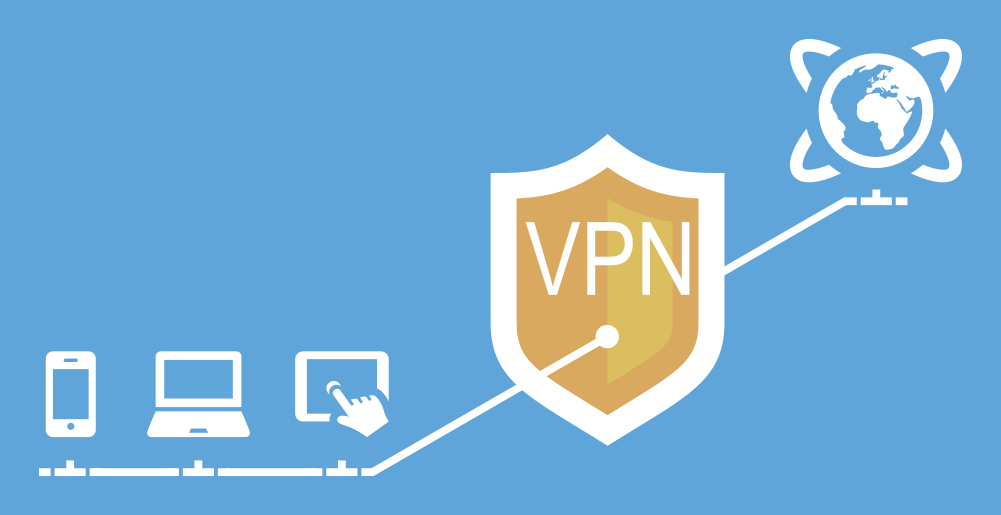
- Protects Your Devices: VPNs safeguard your connection across laptops, phones, and tablets.
I once had my email hacked after connecting to unsecured Wi-Fi in a hotel. Now, I never browse without a VPN when I’m on the go.
2. Bypass Geo-Restrictions
Traveling abroad often means encountering blocked websites or streaming services. Want to watch Netflix US or access your favorite news site? Good luck without a VPN.
How a VPN Helps:
- Access Streaming Services: Connect to a server in your home country to watch shows and movies just like you’re back on the couch.
- Unblock Websites: A VPN lets you bypass censorship in countries that block certain sites, like social media or messaging apps.
- Stay Updated: Access your local news, bank accounts, or online shopping platforms from anywhere.
During a trip to China, I used a VPN to stay connected to social media and navigate with Google Maps. It was a lifesaver.
3. Protect Your Data While Traveling
Traveling often involves accessing sensitive information, like booking confirmations or banking apps. Without a VPN, you’re leaving your data vulnerable.
How a VPN Helps:
- Encrypts Transactions: A VPN protects your online purchases and banking activities from cyber threats.
- Hides Your IP Address: Masking your IP prevents tracking and targeting by advertisers or hackers.
- Keeps Your Emails Private: VPNs ensure that business or personal emails remain secure, even on untrusted networks.
When I was traveling in Europe, my VPN protected me from a phishing attempt while I was booking a last-minute flight.
4. Avoid Price Discrimination
Did you know airlines, hotels, and e-commerce platforms often show different prices based on your location? A VPN can level the playing field.
How a VPN Helps:
- Switch Locations: A VPN allows you to connect through servers in different countries, helping you find the best deals.
- Compare Prices: Browse from multiple regions to avoid inflated prices based on your location.
- Save Money: Book flights, hotels, or rental cars at the best rates by using a VPN.
I saved over $200 on a flight by using a VPN to book from a different country—it’s a travel hack I use every time now.
5. Stay Connected Securely While Working Remotely
For digital nomads and remote workers, a VPN ensures a secure connection to company servers and tools.
How a VPN Helps:
- Encrypts Work Data: Protects sensitive business information while working on public Wi-Fi.
- Accesses Company Networks: Allows you to securely log into internal systems or tools from abroad.
- Supports VoIP Calls: Ensures your calls are private, even in countries that restrict VoIP services like Skype or Zoom.
When working from Bali, my VPN kept me connected to my team and client portals without a hitch.
6. Avoid Bandwidth Throttling
Some ISPs slow down your connection when streaming or gaming. A VPN can prevent this, ensuring smooth browsing on your travels.
How a VPN Helps:
- Hides Activity: ISPs can’t see what you’re doing online, so they can’t throttle your connection.
- Improves Streaming Quality: Enjoy uninterrupted streaming of your favorite shows or movies.
- Speeds Up Gaming: Play online games without lag or interruptions.
Streaming my favorite series during long layovers was flawless, thanks to my VPN bypassing throttling by airport networks.
Tips for Choosing the Best VPN for Travel
- Global Server Network: Look for a VPN with servers in multiple countries for flexibility.
- Fast Speeds: Choose a provider that ensures fast connections for streaming and browsing.
- Strong Encryption: Opt for military-grade encryption to protect your data.
- Device Compatibility: Ensure the VPN works on all your devices—laptop, phone, and tablet.
- Easy Setup: A user-friendly interface makes it easy to connect quickly.
Conclusion
Traveling is all about exploring new places and creating memories, not worrying about cyber threats or restricted internet access. A VPN is your ultimate travel companion, providing secure connections, access to global content, and even helping you save money.
From personal experience, I’ve learned that using a VPN while traveling isn’t just smart—it’s essential. Whether you’re a frequent flyer, a remote worker, or a casual traveler, a VPN ensures you stay safe, connected, and stress-free on the go. Ready to make your travels easier? Get a VPN and enjoy your adventures with peace of mind!